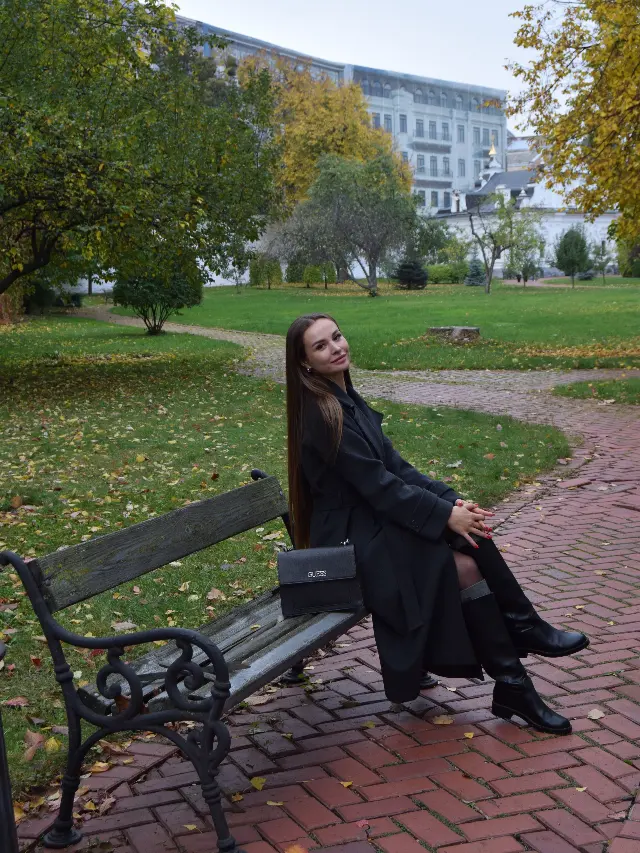
 A local guide's honest view of visiting Kyiv in autumn
#Kyiv
1 ideas
A local guide's honest view of visiting Kyiv in autumn
Get new #Kyiv ideas by email
Every Thursday: the week's best ideas, with the newest from #Kyiv.
Related tags
Kyiv: A Guide to Ukraine's Historic Capital
Kyiv spreads across the hills above the Dnipro River in the heart of Ukraine, and it is one of the oldest and largest cities in Europe. Legend credits its founding to three siblings, Kyi, Shchek and Khoryv, and their sister Lybid, and the city has carried Kyi's name ever since. Whether you come for the architecture, the food or the sheer sense of history, the city rewards slow wandering more than box-ticking.
A city of domes and layers
Kyiv's skyline is defined by golden and green domes rising above chestnut trees. Saint Sophia Cathedral and the Pechersk Lavra monastery complex are the two great monuments of Kyivan Rus, both recognised as world heritage sites, and both still working places of worship as well as museums. Around them the city stacks its centuries visibly: baroque bell towers, nineteenth-century merchant houses, ambitious Soviet modernism and bright new buildings, often on the same street.
Where to wander
Read more
Podil, the old trading quarter down by the river, keeps a low-rise, village-ish feel, with markets, cafés and steep streets climbing back up to the centre. Andriivskyi Descent, a cobbled slope of stalls and galleries, is the classic stroll. The wide central avenues around Khreshchatyk fill with people in the evenings, while parks, islands and river beaches give the city an unexpectedly green, outdoorsy side.
What to eat
Ukrainian cooking is generous and comforting: borscht with sour cream, varenyky dumplings with potato, cheese or cherries, salo, buckwheat, and honey cake layered over days. Kyiv also has a serious coffee culture and a long tradition of lively cafés, so plan to sit down often.
Practical things worth knowing
Learning the Cyrillic alphabet before you go is a small effort that pays off enormously; place names on signs and menus become readable and pronunciation stops feeling like guesswork. The metro is fast, cheap and worth riding for its own sake, since some central stations sit far underground and are decorated like halls. Walking is the best way to see the centre, though the hills are real, and the funicular offers a short, scenic shortcut between the upper town and the river.
Carry some cash alongside cards, and expect smaller places to prefer it. A few polite words in Ukrainian go a long way. When visiting churches and monasteries, dress modestly and cover your head where it is asked of you.
Seasons matter. Spring and early summer are lovely, with long light evenings; autumn brings golden parks and a good excuse for warm food; winter is genuinely cold and often snowy, and the city looks beautiful under it if you dress properly.
Before any trip, check your own country's official travel advice and let it shape your plans — conditions can change, and it is the only reliable source to build on. Go with curiosity, leave room for unplanned detours, and Kyiv will give you far more than the guidebook promised.
#Kyiv: frequently asked questions
What should I know before visiting Kyiv for the first time?
Learning the Cyrillic alphabet is the single most useful preparation, because signs and menus stop looking like guesswork once you can sound out the letters. It also helps to carry some cash alongside your cards, since smaller cafés and market stalls often prefer it. Check your own country's official travel advice before booking anything and let it shape your plans, since it is the only reliable basis for a trip.
How do I get around the city without a car?
Walking is the best way to see the centre, though the hills are genuinely steep and you will feel them. The metro is fast and inexpensive, and several central stations sit deep underground and are worth riding for their decoration alone. The funicular gives you a short, scenic shortcut between the upper town and the river when your legs need a break.
What food should I try while I'm there?
Ukrainian cooking is generous and comforting, so expect borscht with sour cream, filled dumplings, buckwheat and honey cake layered over several days. The city also has a serious coffee culture and a long tradition of lively cafés, so build sitting-down time into your days rather than eating on the move. Ordering a few small things across a meal is a good way to taste widely.
When is the best time of year to go?
Spring and early summer are lovely, with long light evenings that make wandering pleasant. Autumn brings golden parks and a good excuse for warm, hearty food, while winter is genuinely cold and often snowy — beautiful if you dress properly for it. Each season changes the city's rhythm, so pick the one whose weather you can actually enjoy.
What are the common mistakes visitors make?
The biggest one is treating the city as a checklist and rushing between sights, when it rewards slow wandering and unplanned detours far more. Another is underestimating the hills and the distances between neighbourhoods, which leaves people tired and short of time. Finally, dress modestly and cover your head where it is asked when visiting churches and monasteries, and learn a few polite words in Ukrainian — they go a long way.
What should I wear or pack for a visit?
Comfortable shoes matter more than anything else, because you will be walking on cobbles and climbing steep streets. Bring layers and something warm if you are travelling outside the mild months, since the weather turns properly cold. A modest scarf or wrap is also handy for entering working places of worship.
Videos come from YouTube and posts from Instagram; titles and summaries are our own. All rights belong to their creators.