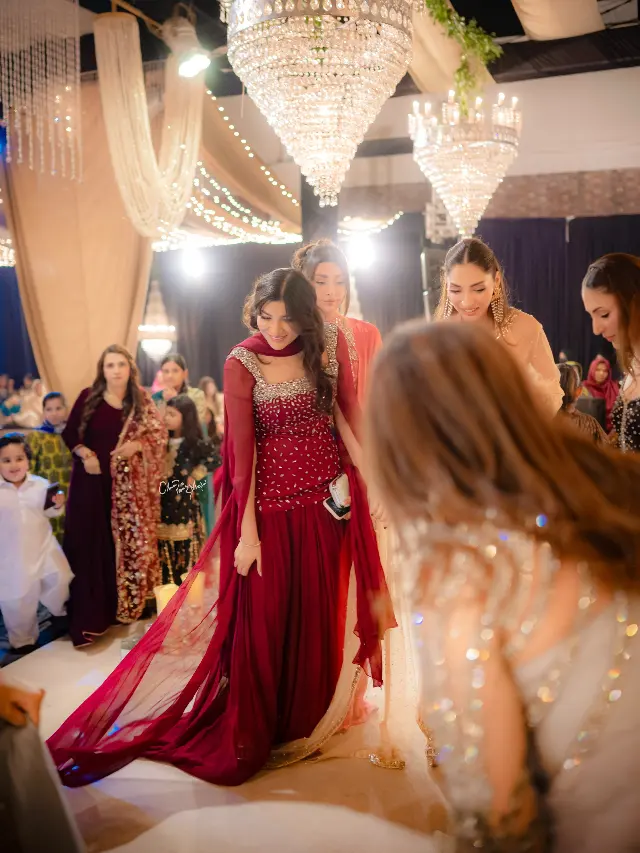
 Bridal Beauty Look from a Lahore Wedding Shoot
#Lahore
2 ideas
Bridal Beauty Look from a Lahore Wedding Shoot
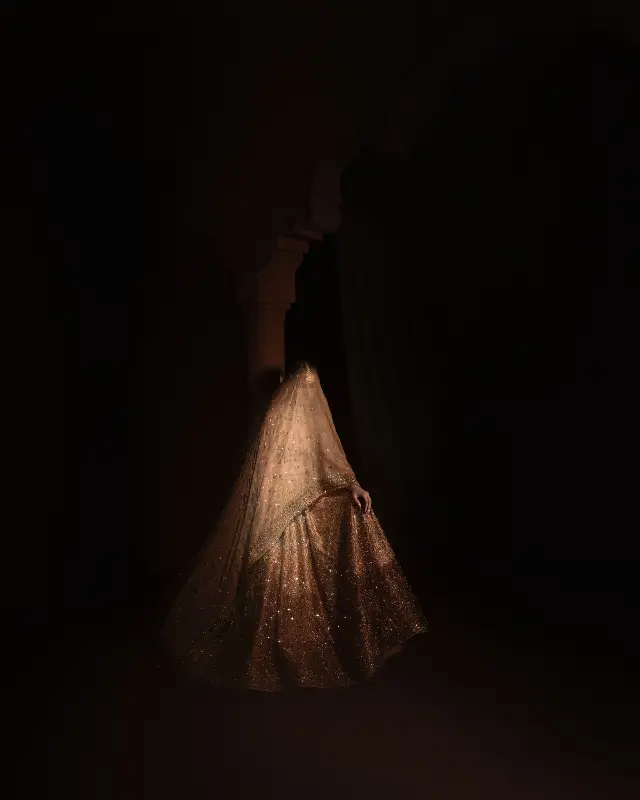 Bridal Look From a Lahore Design Studio Bridal Shoot
Get new #Lahore ideas by email
Every Thursday: the week's best ideas, with the newest from #Lahore.
Related tags
Lahore: A Guide to Pakistan's Cultural Capital
Lahore sits in the north-east of Pakistan, on the banks of the Ravi, and serves as the capital of Punjab province. It is one of the country's oldest and most densely storied cities, and Pakistanis often call it the cultural capital — a place where language, food, music and craftsmanship are treated as public life rather than private hobbies. If you are drawn to it through photographs of weddings, textiles or architecture, the city rewards a little context.
A city built in layers
Lahore's historic core is the walled city, a tight grid of lanes, bazaars and havelis — courtyard houses whose carved wooden balconies and screened windows were designed to keep family life cool and private. Around it stand the monuments of the Mughal era: the Lahore Fort with its mirrored and painted halls, the vast Badshahi Mosque facing it across a broad courtyard, and the Shalimar Gardens laid out in terraces of water channels and shade. The fort and the gardens are recognised as UNESCO World Heritage sites, and they remain the city's most visited landmarks. Later layers are visible too: colonial-era boulevards and brick buildings from the period before independence in 1947.
Music, language and poetry
Read more
Punjabi and Urdu are the languages you will hear, often in the same sentence, and Lahore has long been a home for poets, publishers and performers. Qawwali — the devotional singing associated with Sufi shrines — and the ghazal both have deep roots here, and shrine courtyards still host evenings of music that draw crowds of every background. Literature festivals and theatre keep the tradition going in a contemporary form.
Food as hospitality
Lahori cooking is hearty and unhurried. Slow-cooked dishes such as nihari and haleem, fried breakfasts of chickpeas and puri, charcoal-grilled meat, and sweets like falooda and kulfi are all part of everyday eating. The old city's food streets are the classic introduction. A practical note for visitors: portions are generous, spice levels vary, and the best-known stalls are busy for a reason — go early in the evening and follow the crowd.
Craft and dress
Lahore is a centre for textiles and finishing work: embroidery, beadwork, gota and zardozi metal thread, block printing, brass and woodwork, and the bright painted decoration known as truck art. Many families come here for wedding clothes, and studios and tailors are used to commissioned work — leave generous time for fittings and agree details in writing.
Practical tips for a first visit
- Dress modestly, especially around shrines and the old city; loose cotton is comfortable and appropriate.
- Ask before photographing people, and expect a friendly conversation if you do.
- Traffic is intense — group sights by neighbourhood rather than crossing the city repeatedly.
- Spring and autumn are the gentlest seasons for walking; summers are very hot.
- Learn a few words of Punjabi or Urdu; small courtesies go a long way here.
Come with patience and curiosity, and Lahore will give you both history and everyday warmth in equal measure.
#Lahore: frequently asked questions
How should I plan a first visit to Lahore?
Start with the historic core and let the rest of the city radiate outward from it, grouping sights by neighbourhood so you are not crossing Lahore again and again in heavy traffic. Give yourself unhurried time in the walled city rather than treating it as a quick stop, and leave evenings free for food streets and shrine music. Spring and autumn are the kindest seasons for walking.
What should I wear and how should I behave in Lahore?
Loose cotton clothing that covers shoulders and legs is both comfortable and respectful, and it matters most around shrines and in the old city. Ask before photographing people, and treat a friendly conversation as the normal outcome rather than an obstacle. Learning a few words of Punjabi or Urdu is a small courtesy that is genuinely appreciated.
Which parts of Lahore are worth choosing if I only have limited time?
Choose between the Mughal monuments and the living old city according to what draws you: the fort, mosque and terraced gardens reward anyone interested in architecture and gardens, while the lanes, bazaars and havelis suit people who want everyday life and craft. Food streets and shrine courtyards are the easiest way to see the city at its most sociable. Trying to do all of it in one sweep usually means seeing none of it properly.
How do I care for embroidered or bridal pieces bought in Lahore?
Metal-thread and beadwork should be stored flat or gently folded with tissue between layers, kept away from damp and direct sunlight, and never hung by the shoulders where the weight can pull the embroidery. Ask the studio or tailor for care instructions specific to your piece before you leave, since handwork varies widely. Dry cleaning by someone familiar with zardozi and gota work is safer than washing at home.
What should I know before commissioning wedding clothes in Lahore?
Allow generous time for fittings and fabric selection, because good studios are busy and handwork cannot be rushed. Agree the design details, measurements and delivery expectations in writing so that both sides share the same understanding. Bringing reference images helps far more than describing a look in words.
What are the common mistakes visitors make in Lahore?
The most frequent one is cramming too much into a day and losing hours to traffic instead of enjoying a neighbourhood properly. Others are visiting the best-known food stalls too late, when the crowds and the queues peak, and photographing people without asking. Arriving without patience for heat and bustle is its own kind of mistake — the city rewards a slower pace.
Videos come from YouTube and posts from Instagram; titles and summaries are our own. All rights belong to their creators.