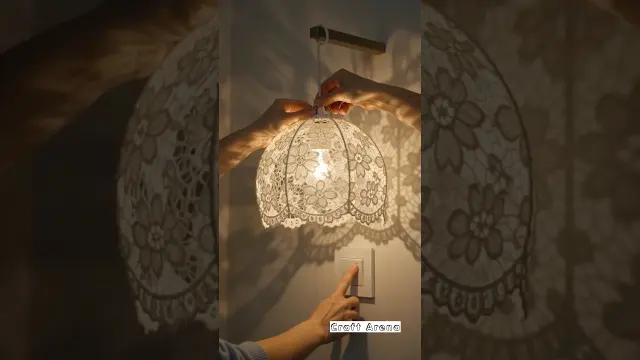
 DIY Balloon and Lace Lampshade Craft Tutorial
#Lampshade
1 ideas
DIY Balloon and Lace Lampshade Craft Tutorial
Get new #Lampshade ideas by email
Every Thursday: the week's best ideas, with the newest from #Lampshade.
Related tags
Lampshades: Styles, Materials and Ideas
What a lampshade does
A lampshade is both a practical and decorative part of a lamp. Its main job is to soften, direct, and shape the light so it feels more comfortable in a room. It can reduce glare, create a warm mood, and help a lamp suit the rest of your interior.
Lampshades have been used for a long time in homes as lighting became more common and people wanted a gentler, more controlled light. Today, they are made in many shapes, sizes, and materials, but the basic idea is the same: filter the bulb’s light and add style to the lamp.
Common styles and shapes
Read more
The shape of a lampshade changes both the look of the lamp and the way light falls.
- Drum shades are straight-sided and simple, and they suit many modern and classic rooms.
- Empire shades are wider at the bottom and narrower at the top, giving a more traditional look.
- Bell shades curve outward softly and often feel elegant and decorative.
- Coolie or shallow cone shades spread light broadly and can work well over tables or in relaxed settings.
- Square and rectangular shades feel structured and can suit contemporary furniture.
You can also choose shades by how much of the bulb they cover. Some give a soft, diffused glow, while others direct more light up or down.
Materials and finishes
Lampshades are made from many materials, each creating a different effect.
- Fabric shades are popular because they soften light and can feel cozy.
- Paper shades are light and simple, often giving a gentle, delicate glow.
- Glass shades can add character and allow more direct light, depending on the finish.
- Natural materials such as woven fibers, linen, or parchment-style surfaces often create a warm, textural look.
- Decorative linings or trims can make a shade feel more formal or detailed.
When choosing a material, think about how much light you need and how easy the shade will be to keep clean. A pale, light-colored shade usually brightens a room more, while a darker shade gives a moodier effect.
How to choose the right shade
A good lampshade should feel balanced with the base of the lamp. A very small shade can make a lamp look top-heavy, while an oversized one can overwhelm the base. As a general rule, the shade should suit the lamp’s height and proportion, and it should allow the bulb to sit comfortably inside without showing too much from the side.
You should also think about the purpose of the lamp. For reading, you may want a shade that directs more light downward. For a bedside or living room lamp, a softer and more diffused shade often feels better.
Practical tips for beginners
If you are choosing a lampshade for the first time, keep things simple.
- Measure the lamp base before you shop.
- Make sure the fitting matches the lamp.
- Check that the bulb does not touch the shade.
- Choose a neutral shape if you want the shade to work in different rooms.
- Pick a texture or color that complements the lamp base, not one that competes with it.
If you make your own shade, start with a basic shape and a simple material. Clean edges, even tension, and careful fitting matter more than complicated decoration. A well-chosen lampshade can change the feel of a room quietly but completely, giving your lighting both purpose and personality.
Videos come from YouTube and posts from Instagram; titles and summaries are our own. All rights belong to their creators.