 Applying Complexity Theory to Second Language Acquisition
#Language Learning
4 ideas
Applying Complexity Theory to Second Language Acquisition
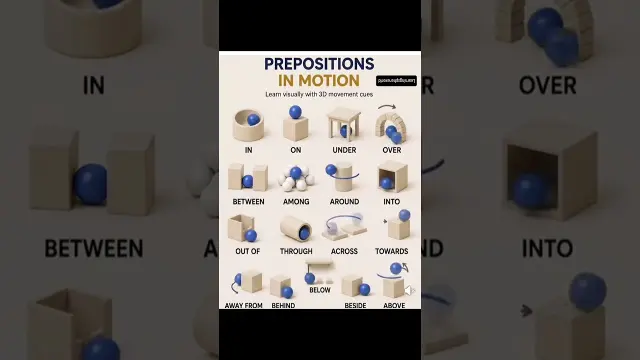 English Prepositions of Movement Explained With 3D Animations
 The Best Japanese Graded Readers for Beginners
 TOEFL Speaking Section Practice Training
Get new #Language Learning ideas by email
Every Thursday: the week's best ideas, with the newest from #Language Learning.
Related tags
Language Learning Basics and Methods
What language learning is
Language learning is the process of understanding and using a language that is not your own first language, or strengthening a language you already know. People learn languages for travel, work, study, family, friendship, or simply for the pleasure of opening a new way of thinking. It can include speaking, listening, reading, and writing, and the balance between them depends on your goal.
At its heart, language learning is a mix of exposure, practice, and repetition. You hear or read patterns, try them yourself, make mistakes, and slowly build confidence. This takes time, but it does not have to feel mysterious. Clear goals and small regular habits usually help more than occasional long sessions.
Main parts of learning a language
Read more
A language has several connected parts:
- Vocabulary: the words you recognize and can use
- Grammar: the rules and patterns that help words fit together
- Pronunciation: how sounds, stress, and rhythm work
- Listening: understanding spoken language
- Speaking: forming your own messages
- Reading: understanding written texts
- Writing: expressing ideas in written form
Beginners often focus too much on individual words and too little on how those words work together. It helps to learn phrases and short sentences, not only isolated vocabulary. This makes it easier to speak naturally and remember words in context.
Common methods and approaches
There is no single best method for everyone. Most learners do well with a combination of approaches:
- Immersion: surrounding yourself with the language through listening and reading
- Structured study: using lessons, books, or courses to learn step by step
- Conversation practice: speaking with others to build fluency and confidence
- Repetition: reviewing words and phrases often enough to remember them
- Reading and listening for meaning: understanding the general idea before worrying about every detail
Some learners prefer grammar-first study, while others begin with conversation and absorb grammar gradually. Both can work. What matters most is steady contact with the language and enough variety to keep you moving forward.
Helpful habits for beginners
Start with useful language you can use often. Greetings, simple questions, numbers, time, directions, food, and everyday actions are good starting points. Short, frequent practice is usually easier to keep up than rare, intense study sessions.
A few practical habits can make a big difference:
- Review new material regularly instead of cramming
- Listen to the language every day, even for a short time
- Say words and phrases aloud to get used to the sounds
- Keep a small notebook or digital list for useful expressions
- Practice in context, not only as separate word lists
- Be patient with mistakes; they are part of the process
Tips for steady progress
Try to connect learning with real use. Read simple texts, follow spoken examples, and repeat phrases in your own words. If possible, speak early, even if your sentences are short. Speaking helps reveal what you know and what still feels difficult.
It also helps to choose material that is understandable but slightly challenging. If everything feels too hard, progress slows. If everything feels too easy, you may not grow. Aim for a balance where you can understand enough to stay interested and learn something new.
Most of all, keep going. Language learning is not a race. Small, regular steps add up, and over time they become real skill and confidence.
Videos come from YouTube and posts from Instagram; titles and summaries are our own. All rights belong to their creators.