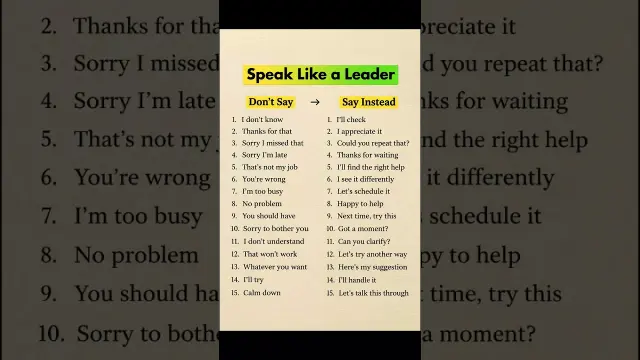
 Speaking Like a Leader through Clear Language
#Language Skills
11 ideas
Speaking Like a Leader through Clear Language
 Three Steps to Think Fast and Speak Clearly
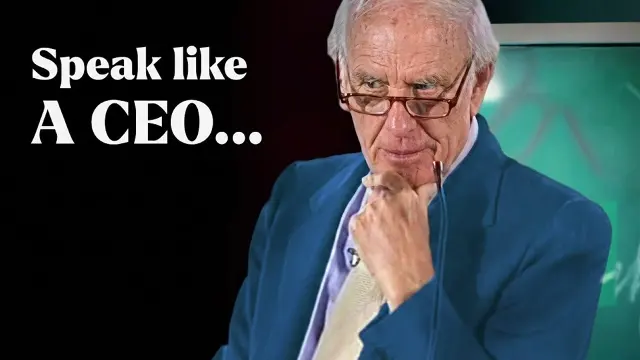 Mastering the Art of Communication with Jim Rohn
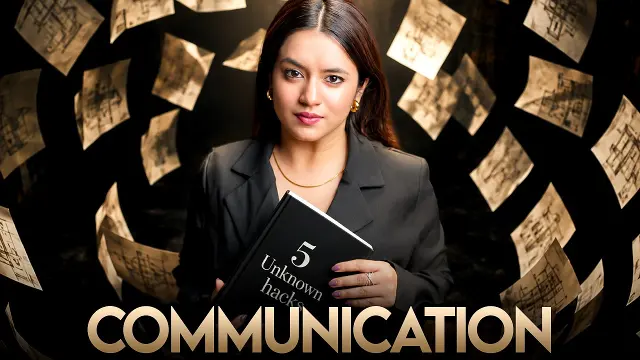 How to Become a Dangerously Good Communicator
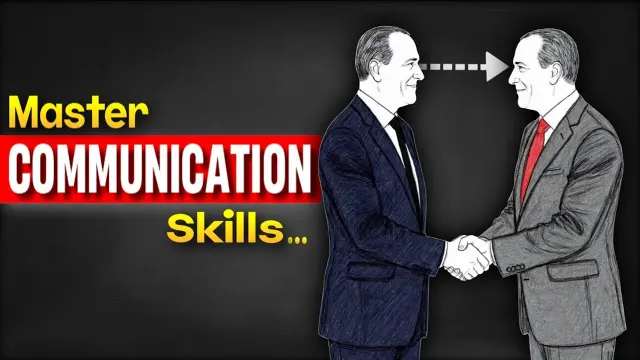 Seven Tips to Improve Communication Skills
 Four Body Language Rules for Greater Confidence
 Tools for Improving Communication Skills
 Complete Explanation of English Language Skills
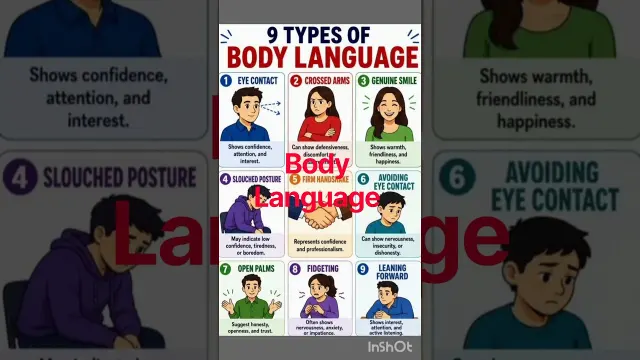 Different Types of Body Language for Beginners
 Five Communication Skills of the Top One Percent
 How to Speak English on the Phone Real Conversation Practice
Get new #Language Skills ideas by email
Every Thursday: the week's best ideas, with the newest from #Language Skills.
Related tags
Language Skills: Learn, Practice, Communicate
What language skills are
Language skills are the abilities you use to understand and communicate with others. They include listening, speaking, reading, and writing, along with related abilities such as pronunciation, vocabulary, grammar, and confidence. These skills are useful in daily life, at work, while travelling, and in almost any situation where you need to share ideas clearly.
A strong set of language skills is not only about knowing many words. It is also about using language appropriately for the situation, whether you are having a casual conversation, writing a message, or reading information carefully. Good language skills help you express yourself, understand others, and build relationships more easily.
The main kinds of language skills
Read more
- Listening: understanding spoken language, tone, and meaning
- Speaking: using words clearly and naturally in conversation
- Reading: understanding written texts, signs, instructions, and messages
- Writing: organising your thoughts in a clear written form
- Vocabulary: knowing words and how to use them
- Grammar: putting words together in a way that makes sense
- Pronunciation: saying words so others can understand you
- Communication style: choosing the right level of formality and politeness
These skills often develop together. For example, reading more can improve vocabulary, and listening more can help with pronunciation and natural phrasing.
Where language skills come from
Language skills begin with exposure. Children learn by hearing language around them, but adults also develop language skills through practice, repetition, and real use. Reading books, listening to conversations, speaking with others, and writing regularly all help strengthen language ability over time. Different languages also have different sounds, structures, and customs, so learning a new language often means learning a new way of thinking about communication as well.
Styles and situations
Language skills can be formal or informal. Formal language is useful in school, work, letters, and professional settings. Informal language is more relaxed and common in everyday conversation. You may also need different language styles for different purposes, such as explaining, persuading, asking for help, or telling a story.
Another important part of language use is clarity. Simple, direct language is often easier to understand than complicated wording. If you are learning or improving a language, it usually helps to focus on being clear first, then gradually adding more detail and nuance.
Practical tips for beginners
- Start with useful everyday words and phrases
- Listen often, even if you do not understand everything at first
- Practice speaking out loud, even alone
- Read short texts that match your level
- Write a little each day, such as notes or simple sentences
- Learn phrases in context, not just single words
- Do not worry about making mistakes; they are part of learning
What helps most
Language skills grow best with steady practice. Try to use the language in real situations whenever possible, because communication is the goal. It also helps to focus on one skill at a time when needed, while still keeping the others active. With patience, regular practice, and curiosity, you can become more confident and more fluent in the way you express yourself.
Videos come from YouTube and posts from Instagram; titles and summaries are our own. All rights belong to their creators.