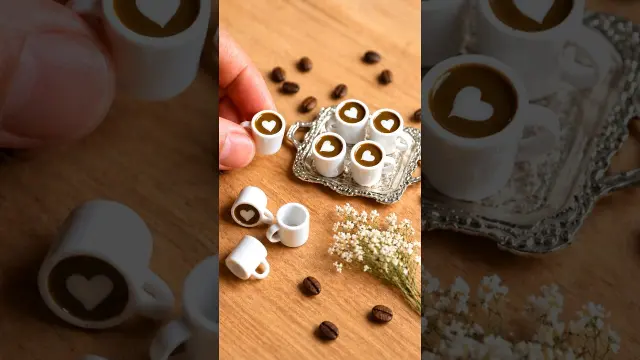
 Miniature Coffee Cups with Glossy Surface and Latte Art
#Latte Art
2 ideas
Miniature Coffee Cups with Glossy Surface and Latte Art
 Setting Up a Dream Home Espresso Machine and Making Lattes
Get new #Latte Art ideas by email
Every Thursday: the week's best ideas, with the newest from #Latte Art.
Related tags
Latte Art Basics and Techniques
Latte art is the decorative pattern created on the surface of a milk-based coffee drink, usually a latte or cappuccino. It appears when steamed milk is poured in a controlled way into espresso, allowing the milk foam and liquid milk to form shapes on top. What looks simple at first is really a mix of good milk texture, steady pouring, and a little practice.
What latte art is
At its heart, latte art is a visual expression of coffee making. It does not change the basic flavor very much, but it can make a drink feel more polished and inviting. The design forms because espresso has a darker base and steamed milk has a lighter color and smoother texture. When they combine properly, the contrast creates clear patterns.
Latte art is most often associated with espresso drinks, especially lattes, but it can also be made on other drinks with enough surface contrast and a stable milk texture. It is common in cafés, yet many people also enjoy learning it at home.
Read more
Where it comes from
Latte art grew out of modern espresso culture, as baristas began to develop more precise ways of steaming milk and pouring it into coffee. Over time, the practice became a way to show skill, care, and consistency. It is now part of coffee culture in many places around the world.
Main styles and patterns
The simplest latte art designs are the easiest to learn first. Common patterns include:
- Heart: one of the first shapes many beginners can make
- Rosetta: a leaf- or fern-like design created with side-to-side movement
- Tulip: a layered pattern made by stacking small pours
- Dot or layered dot: a basic control exercise that helps with spacing and flow
These patterns may look different depending on the cup shape, milk texture, and pouring angle. A neat result matters less than a steady, even pour.
What beginners should know
Good latte art starts before the pour. The milk needs to be steamed into a smooth, silky texture with fine foam, not dry bubbles. If the foam is too airy, the design will be weak or uneven. If the milk is too thin, the pattern may disappear into the coffee.
A few basics help:
- Use a fresh espresso base with a visible crema
- Steam milk until it feels glossy and pourable
- Tilt the cup slightly at first, then level it as you pour
- Start higher to mix the milk in, then lower the pitcher close to the surface to draw the pattern
- Pour with confidence and keep the movement steady
Tips for practicing
If you are learning latte art, begin with simple shapes and focus on milk texture and control rather than perfection. Repetition is the best teacher. Try the same pattern several times in a row so you can notice what changes when the milk is too foamy, too thin, or poured too quickly.
It also helps to use a cup with a wider opening, since the surface gives you more room to work. Keep your pitcher steady, and watch how the white milk sits on the darker coffee. Small adjustments in height, speed, and angle can make a big difference.
Latte art is both a craft and a small ritual. With patience, you can turn an everyday cup of coffee into something calm, beautiful, and satisfying to make.
Videos come from YouTube and posts from Instagram; titles and summaries are our own. All rights belong to their creators.