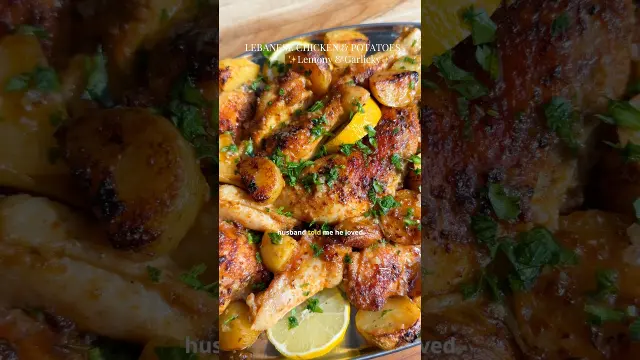
 Traditional Lebanese Garlic Chicken And Potatoes Recipe
#Lebanese Food
1 ideas
Traditional Lebanese Garlic Chicken And Potatoes Recipe
Get new #Lebanese Food ideas by email
Every Thursday: the week's best ideas, with the newest from #Lebanese Food.
Related tags
Lebanese Food: A Guide to Flavour and Tradition
Lebanese food is a broad, generous cuisine rooted in the eastern Mediterranean, shaped by home cooking, seasonal ingredients, and a strong culture of sharing. It is known for fresh herbs, olive oil, lemon, garlic, grains, vegetables, and careful seasoning rather than heavy sauces. Meals are often built around balance: something warm and something cool, something crisp and something soft, something tangy and something rich.
What defines Lebanese food
At its heart, Lebanese food is about variety and hospitality. A table may include dips, salads, vegetables, breads, grilled meats, legumes, and sweet dishes, all served in a way that encourages everyone to taste a little of everything. It is a cuisine that works well for everyday meals and larger gatherings alike.
Many classic dishes are vegetarian or can easily be made that way, which is one reason Lebanese cooking feels so accessible. Lentils, chickpeas, bulgur, beans, yoghurt, and seasonal produce are common staples. Meat is also important, especially chicken and lamb, usually prepared simply and seasoned well.
Read more
Common dishes and styles
One of the most familiar features of Lebanese food is mezze, a spread of small dishes served before or as a meal. These may include hummus, baba ghanoush, labneh, tabbouleh, fattoush, stuffed vine leaves, olives, and pickles. The idea is not just to eat, but to linger and share.
Grilling is another important style. Kebabs, chicken, and fish are often seasoned with garlic, lemon, herbs, and spices, then cooked over heat until tender. Stews and oven-baked dishes are also common, especially in home kitchens, where recipes are often passed down informally.
Bread plays a central role. Thin flatbreads are used to scoop up dips, wrap fillings, or accompany grilled food. Rice, bulgur, and freekeh may appear alongside vegetables or meats, adding substance without overwhelming the dish.
Key ingredients and flavour
Lebanese cooking relies on a few building blocks that appear again and again:
- Olive oil for richness and depth
- Lemon for brightness
- Garlic for sharp, savoury flavour
- Mint, parsley, and other fresh herbs
- Chickpeas, lentils, and beans
- Tomatoes, cucumbers, eggplant, and zucchini
- Warm spices used with restraint, such as cinnamon, allspice, or cumin
The flavours are usually clean and layered rather than complicated. If you are new to this cuisine, start by focusing on freshness and balance. A good Lebanese dish often tastes lively, but never crowded.
Cooking and serving tips
If you want to cook Lebanese food at home, begin with a few simple recipes and good ingredients. Use plenty of fresh herbs, and do not be afraid of lemon or garlic, but add them gradually so the dish stays balanced. Taste as you go, especially when dressing salads or seasoning dips.
Presentation matters too, but not in a formal way. Lebanese food is often served in a relaxed, inviting style, with dishes set in the middle of the table for everyone to share. That spirit is part of what makes it so appealing: it is food meant to bring people together.
#Lebanese Food: frequently asked questions
How do I get started cooking Lebanese food at home?
Begin with a small set of simple dishes rather than attempting a full spread at once — a dip, a herby salad, and one grilled or baked main is plenty. Focus on buying fresh herbs, good olive oil, and ripe seasonal vegetables, since the cuisine leans on the quality of a few ingredients rather than long lists. Taste as you go and adjust gradually, letting lemon and garlic build up slowly instead of all at once.
Which pantry ingredients should I keep on hand for Lebanese cooking?
The staples that carry most dishes are olive oil, lemons, garlic, and fresh herbs like parsley and mint, alongside chickpeas, lentils, and bulgur. Warm spices such as cinnamon, allspice, and cumin appear often, but they are used sparingly so they support the dish rather than dominate it. Once those are in the cupboard, tomatoes, cucumbers, eggplant, zucchini, and yoghurt are usually all that stands between you and a meal.
What is mezze, and how do I put a spread together?
Mezze is a collection of small dishes served either before the main meal or as the meal itself, and it is built for sharing and lingering rather than for finishing quickly. A good spread mixes textures and temperatures — something creamy like hummus or labneh, something crisp and herby like tabbouleh, and something tangy such as olives or pickles. Set everything in the middle of the table with plenty of flatbread and let people help themselves.
What mistakes do people make when cooking Lebanese food?
The most common one is over-seasoning: adding too much spice, lemon, or garlic at once so the flavours crowd each other instead of layering. Another is skimping on fresh herbs or using tired ones, when the cuisine really depends on them being bright and plentiful. Finally, don't treat it as a formal plated meal — serving dishes together in the centre of the table is part of what makes the food taste right.
Can Lebanese food work for everyday vegetarian meals?
Yes — many classic dishes are vegetarian already or adapt easily, which is one reason the cuisine feels so approachable for weeknight cooking. Lentils, chickpeas, bulgur, beans, yoghurt, and seasonal vegetables can carry a satisfying meal on their own, with grilled meats treated as an addition rather than a requirement. Dips, salads, stuffed vegetables, and grain dishes all fit comfortably into a meat-free routine.
Any ideas for serving Lebanese food at a gathering?
Build the menu around a few mezze dishes, a grilled main, and plenty of bread, then let guests serve themselves from shared platters in the middle of the table. Choose dishes that can be made ahead and served at room temperature, so you are not stuck in the kitchen while everyone else is eating. Finish with something sweet and simple, and keep the mood relaxed rather than formal — the hospitality is the point.
Videos come from YouTube and posts from Instagram; titles and summaries are our own. All rights belong to their creators.