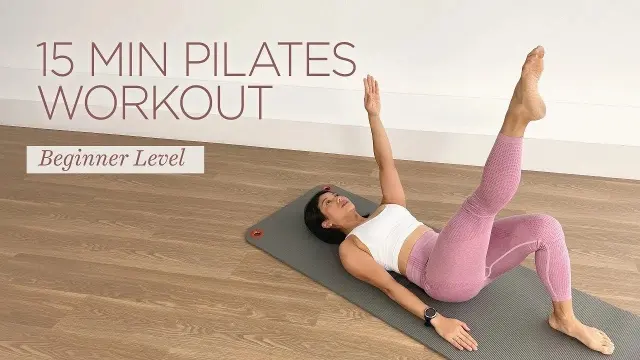
 Fifteen Minute Beginner Pilates Workout for Core and Legs
#Leg Workout
3 ideas
Fifteen Minute Beginner Pilates Workout for Core and Legs
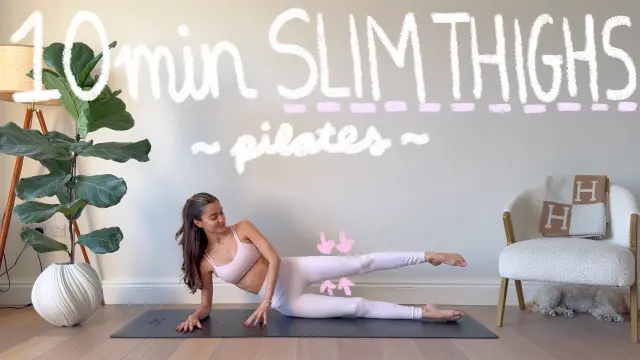 10 Minute Slim Thighs and Legs Pilates Workout
Get new #Leg Workout ideas by email
Every Thursday: the week's best ideas, with the newest from #Leg Workout.
Related tags
Leg Workout Guide for Strength and Tone
A leg workout is any exercise routine that strengthens the lower body, especially the thighs, hips, glutes, calves, and the muscles that support your knees and ankles. It can be done with bodyweight, resistance bands, dumbbells, machines, or simply by using everyday movements like squats and lunges. People do leg workouts to build strength, improve balance, support posture, and make walking, climbing stairs, and other daily movements feel easier.
What a leg workout includes
A well-rounded leg workout usually trains several movement patterns:
- Squat patterns, which work the front of the thighs, glutes, and core
- Hinge patterns, which focus on the back of the legs and glutes
- Lunge patterns, which challenge strength and balance one leg at a time
- Calf exercises, which help strengthen the lower legs
- Side-to-side and stability work, which supports the hips and knees
You do not need every exercise in one session. A simple routine with a few well-chosen moves can be enough, especially if you are consistent.
Read more
Common styles of leg training
There are many ways to approach leg training. Bodyweight workouts are a good place to start because they teach control and form without extra load. Strength-based routines often use added resistance and slower, more controlled repetitions. Pilates-style leg work usually emphasizes alignment, stability, and small precise movements. Functional training uses movements that resemble everyday activities, helping you build practical strength and coordination.
You may also hear leg workouts described by goal, such as toning, building strength, or improving endurance. In practice, these goals often overlap. Stronger muscles can look firmer, support better movement, and feel more stable during daily activity.
What beginners should know
If you are new to leg workouts, begin with basic exercises and focus on good form. It is better to do fewer repetitions well than to rush through many. Start with a manageable number of movements and rest as needed.
A few helpful basics:
- Keep your feet stable and your knees aligned with your toes
- Move through a comfortable range of motion
- Breathe steadily instead of holding your breath
- Stop if you feel sharp pain
- Give your muscles time to recover between harder sessions
It is also normal for your legs to feel tired after training. Mild muscle soreness can happen, especially when you are starting out or trying new exercises.
Practical tips for better results
Warm up before you begin with gentle movement such as marching in place, hip circles, or light squats. This helps prepare your joints and muscles. If you want balanced development, train both legs evenly and include single-leg exercises from time to time.
Good footwear and a stable surface can make exercises feel safer and more controlled. If your goal is overall fitness, combine leg training with walking, mobility work, or other forms of movement. Most importantly, keep your routine realistic enough that you can repeat it regularly. A simple leg workout done well and done often is usually more useful than an overly complicated one.
Videos come from YouTube and posts from Instagram; titles and summaries are our own. All rights belong to their creators.