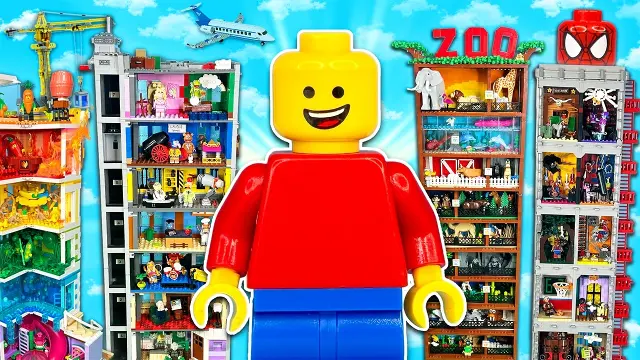
 Building a Massive LEGO Skyscraper City
#LEGO
2 ideas
Building a Massive LEGO Skyscraper City
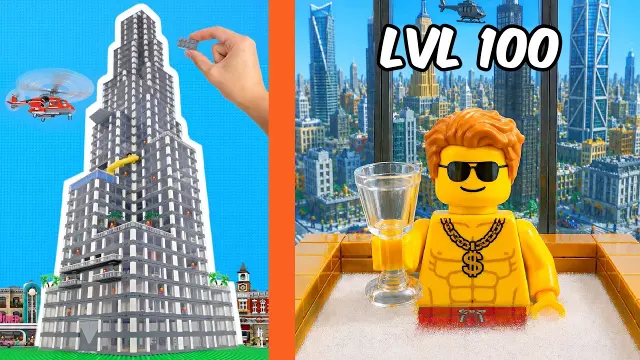 Building a Detailed Skyscraper Model with LEGO Bricks
Get new #LEGO ideas by email
Every Thursday: the week's best ideas, with the newest from #LEGO.
Related tags
LEGO Building Ideas and Creative Play
LEGO is a modular building system made of small plastic bricks and pieces that fit together in countless combinations. It is used for play, learning, display models, and creative building of all kinds, from simple houses and vehicles to complex cityscapes, characters, and imaginative worlds. What makes LEGO special is its balance of structure and freedom: the pieces follow a system, but the possibilities are wide open.
LEGO began as a toy for children, but it has long been enjoyed by people of many ages. Some builders like to follow instructions carefully and create official sets, while others prefer to design their own models from scratch. Both approaches are valid. Building from sets can teach patience, spatial awareness, and how different parts connect. Free building encourages imagination, problem-solving, and personal style.
Main kinds of LEGO building
There are many ways to work with LEGO, depending on what you enjoy:
Read more
- Play sets and themed builds: these are designed around familiar worlds, scenes, or stories and are often ideal for beginners.
- Creator-style builds: these often focus on one model that can sometimes be rebuilt into several variations.
- City and architecture builds: these use LEGO to make buildings, streets, interiors, and detailed urban scenes.
- Vehicles and machines: cars, trains, aircraft, ships, and fantasy machines are popular subjects because LEGO parts lend themselves well to mechanical shapes.
- Freeform and artistic builds: these can be abstract, decorative, or highly personal, using color, texture, and shape for expression.
What beginners should know
If you are new to LEGO, start simple. Choose a small project and get familiar with how bricks connect, stack, and offset. Many strong builds depend less on fancy parts and more on good basic structure. A stable base is often the most important first step.
It helps to sort pieces by type or color before you begin. This makes building easier and reduces frustration. If you are following instructions, take your time and check each step carefully. If you are building your own design, begin with the overall shape and proportions before adding details.
A few useful habits can make your builds stronger:
- Build on a flat, steady surface.
- Think in layers, especially for walls, floors, and roofs.
- Use repetition carefully to create symmetry or rhythm.
- Leave room for small details at the end.
- Step back now and then to check balance and scale.
Creative techniques
LEGO builders often use simple techniques to make models look more realistic or interesting. Offsetting bricks can create curves, edges, and textures. Layering different pieces can add depth. Mixing colors thoughtfully can help separate sections of a build, such as windows, roofs, roads, or decorations. In more advanced models, small parts are sometimes used in unexpected ways to suggest details that are larger than the pieces themselves.
Keeping the joy in building
The best LEGO projects usually grow through experimentation. If something does not work, it is normal to take it apart and rebuild it. That is part of the process. Whether you enjoy neat display models or playful make-believe scenes, LEGO rewards curiosity, patience, and a willingness to try again.
#LEGO: frequently asked questions
How should I start building with LEGO if I have never tried it before?
Begin with a small, simple project so you can get a feel for how pieces connect, stack, and offset before taking on anything ambitious. A stable base matters more than special parts, since most strong models rest on good basic structure. Sort your pieces by type or color first so building stays relaxed instead of frustrating.
What do I actually need to begin building, apart from the bricks themselves?
A flat, steady surface is the one thing worth setting up in advance, because wobbly tables make everything harder. Sorting trays or small containers help you keep pieces organized as a project grows. Beyond that, patience and a willingness to take things apart again are the real requirements.
Which kind of LEGO building should I choose?
Themed play sets are the easiest entry point because they come with a clear goal and familiar scenes. Rebuildable creator-style models suit people who like variety, while architecture, vehicle, and freeform approaches reward different interests. Pick whatever you find yourself wanting to look at or play with, since all of these paths teach useful skills.
Should I follow the instructions or design my own model?
Both are valid, and most builders move between them. Following instructions teaches patience, spatial awareness, and how parts fit together, while building your own design develops imagination and problem-solving. A common approach is to follow a set first and then rebuild it your own way.
How do I keep my finished models clean and in good condition?
Dust is the main enemy of a display model, so a soft brush or gentle wipe now and then keeps bricks looking sharp. Keep builds out of strong direct sunlight so colors stay even over time. Handle finished models by the base rather than by delicate details to avoid knocking pieces loose.
What mistakes do new builders make most often?
The most common one is rushing ahead without checking each step, which usually means discovering a misplaced piece much later. Another is adding small details too early, before the overall shape and proportions are settled. Skipping the habit of stepping back to check balance and scale also leads to models that look off or fall apart.
Videos come from YouTube and posts from Instagram; titles and summaries are our own. All rights belong to their creators.