 aespa Lemonade Dance Practice Video
#Lemonade
7 ideas
aespa Lemonade Dance Practice Video
 Tasting a Simply Lemonade and Grape Powerade Drink Mix
 Making and Tasting Traditional American Lemonade From Scratch
 Calypso Sparkling Lemonade New Flavor Taste Test
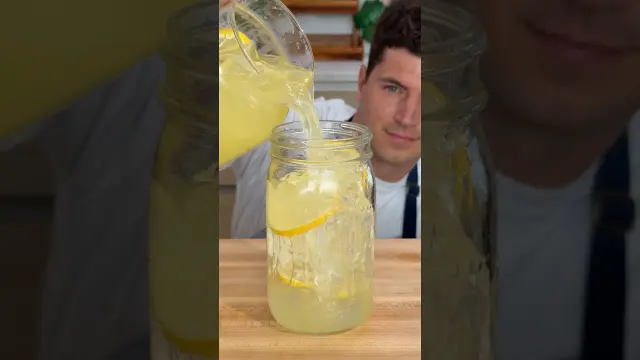 Quick and Refreshing Homemade Lemonade Recipe
 Aespa Lemonade Official Music Video Release
 Aespa Lemonade Featuring Becky G Visualizer
Get new #Lemonade ideas by email
Every Thursday: the week's best ideas, with the newest from #Lemonade.
Related tags
Lemonade: a classic citrus drink
Lemonade is one of the simplest and most recognisable drinks in the world. At its heart, it is a mixture of lemon juice, water, and a sweetener, usually sugar or syrup. Its appeal comes from that balance of tart, sweet, and refreshing. Because the ingredients are basic and easy to adapt, lemonade has become a favourite for home kitchens, cafés, picnics, and celebrations.
Where lemonade comes from
Drinks made from citrus and sweetened water have been enjoyed for a very long time in many places. As lemons spread into wider use, people began combining their juice with water and sweeteners to soften the sharp flavour and make a cooling drink. Over time, lemonade became especially associated with warm-weather refreshment, but it is enjoyed in all seasons. It can be served as a simple everyday drink or dressed up for special occasions.
Main types of lemonade
Read more
There are several common ways to make lemonade, each with a slightly different character:
- Still lemonade: the classic version, made with still water and a clean, direct lemon flavour.
- Sparkling lemonade: made with fizzy water for a lighter, livelier drink.
- Cloudy lemonade: often made with lemon juice and sometimes a little pulp or a gentler style of straining, giving it a softer look and taste.
- Clear lemonade: strained for a smoother texture and a more transparent appearance.
- Flavoured lemonade: sometimes mixed with herbs, berries, or other fruit for a subtle variation.
You can also adjust the sweetness and sharpness to suit your taste. Some people prefer a bright, tart lemonade, while others like it softer and sweeter.
How to make good lemonade
If you are making lemonade at home, start with fresh lemons if possible. Fresh juice usually gives the best flavour. Roll the lemons on the counter before juicing them to help release more juice. It also helps to dissolve the sweetener first, especially if you are using granulated sugar, so the drink tastes smooth rather than grainy.
A few practical tips can make a big difference:
- Taste as you go and adjust the balance of lemon, water, and sweetness.
- Chill the drink before serving for a fresher taste.
- Add ice just before serving so the flavour does not become diluted too quickly.
- Strain out seeds and excess pulp if you want a smoother drink.
- Use a pitcher with enough space for stirring and ice.
Serving and using lemonade
Lemonade is often served cold, but it can also be used in other ways. It works well as a base for mocktails, with fruit slices or herbs added for extra aroma. It can be served with meals, at gatherings, or simply as a refreshing drink on its own. In warmer weather, it is especially valued for its crisp, cooling quality.
For beginners
If you are new to making lemonade, keep it simple. Learn the basic ratio first, then change it little by little until it suits you. The main thing to remember is that good lemonade is about balance. Too much lemon can make it sharp, and too much sweetener can hide its freshness. With a little practice, you can make a version that feels just right for your taste.
Videos come from YouTube and posts from Instagram; titles and summaries are our own. All rights belong to their creators.