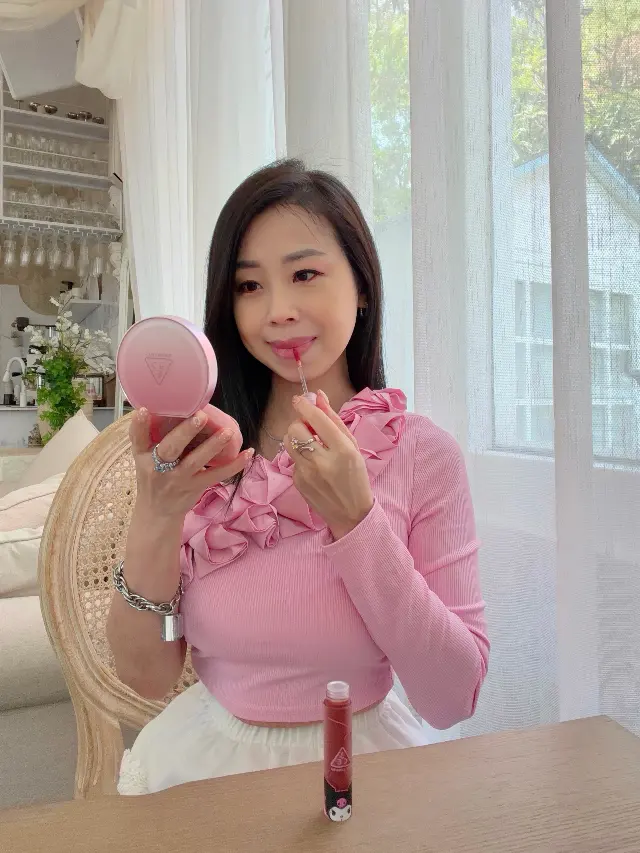
 Cute Limited Edition 3CE and Kuromi Makeup Collection
#Limited Edition
1 ideas
Cute Limited Edition 3CE and Kuromi Makeup Collection
Get new #Limited Edition ideas by email
Every Thursday: the week's best ideas, with the newest from #Limited Edition.
Related tags
Limited Edition: What It Means and How to Enjoy It
You have probably felt it: the small flutter of noticing something marked limited edition, and the quiet urgency that comes with it. Part of that feeling is genuine delight. Part of it is the design of the thing itself. Learning to tell the two apart is the beginning of collecting well.
Where the idea comes from
The phrase has roots in printmaking and publishing. When an artist or a printer produced a run of images or books, the number of copies was fixed in advance, each one was often numbered and signed, and when the run was finished, it was finished. The limitation was not a marketing trick but a practical fact: the plates wore down, the paper ran out, the artist moved on. From there the notion travelled into objects of all kinds, and it kept its central promise — that what you hold is one of a known few rather than one of an endless many.
What it is used for
Read more
A limited edition can be a way of honouring a craft: a small batch of ceramics, a hand-bound notebook, a printed textile. It can be a collaboration between two makers whose styles meet for a single collection. It can be a special colour, a special package, a special version of something familiar. In every case the appeal is the same: a defined edge, a sense of occasion, and the pleasure of owning something that will not simply be restocked forever.
The main kinds you will meet
- Numbered editions, where each piece carries its place in the run.
- Time-limited releases, available for a set period rather than a set quantity.
- Collaborations, where two studios or a maker and a character or artist work together.
- Seasonal or anniversary editions, made to mark a moment in a house's own history.
- Small-batch handmade runs, limited simply because hands are slow.
What beginners should know
Limited does not automatically mean better made, rarer in any meaningful way, or worth more later. Plenty of limited editions are ordinary objects in a different wrapper, and plenty of them never increase in value at all. Treat the label as an invitation to look closer, not as a reason on its own.
Ask yourself a plain question: would you still want this if it were available everywhere? If the answer is yes, you are buying the object. If the answer is no, you are buying the scarcity, and that pleasure tends to fade faster than the object does.
Practical habits
Decide your budget before you browse, and treat it as fixed. Buy for use as well as for keeping — a beautiful thing that stays in its box gives you very little. Store packaging and paperwork if you think you might pass something on. And if you miss a release, let it go; there will always be another beautiful thing, and the ones you chose calmly will mean more than the ones you chased.
#Limited Edition: frequently asked questions
What does limited edition actually mean?
It means the maker decided in advance how much of something to produce, so the run ends and is not simply restocked. The idea comes from printmaking and publishing, where a fixed number of copies was printed, often signed and numbered, and that was the end of it. The appeal is a defined edge rather than an endless supply.
How do I start collecting limited edition pieces without getting carried away?
Set your spending limit before you look at anything and treat it as settled, so the browsing cannot talk you into more. Then focus on one kind of object you genuinely use or admire, which keeps you from buying whatever happens to be flagged as scarce that week. Collecting well is mostly about restraint, not speed.
Which type of limited edition should I choose?
Numbered editions, time-limited releases, maker collaborations, seasonal or anniversary pieces, and small handmade batches all behave differently, so pick the one that matches how you will actually live with the thing. If you want to use it daily, a handmade or collaborative piece may suit you better than something sealed in a box. Choose the object first and the label second.
How should I care for a limited edition item?
Use it as intended rather than storing it away, because a beautiful thing that never leaves its box gives you very little. Keep any packaging, certificates, and paperwork together in case you later pass it on. Handle it gently and store it sensibly for its material, whether that is ceramic, textile, or paper, and it will hold up well.
Do you have ideas for a limited edition gift for an occasion?
A small batch of ceramics, a hand-bound notebook, a printed textile, or a special version of something the person already loves all make good occasion gifts. The strongest choice is tied to what they use or collect, not to how scarce it is. A collaboration between two makers whose styles they admire is another thoughtful route.
What are the common mistakes beginners make?
The biggest one is assuming limited means better made or more valuable later, when plenty of limited runs are ordinary objects in different packaging. The other is buying for the scarcity rather than the object, which is why it helps to ask whether you would still want it if it were available everywhere. If the answer is no, you are buying the label, and that pleasure fades faster than the piece does.
Videos come from YouTube and posts from Instagram; titles and summaries are our own. All rights belong to their creators.