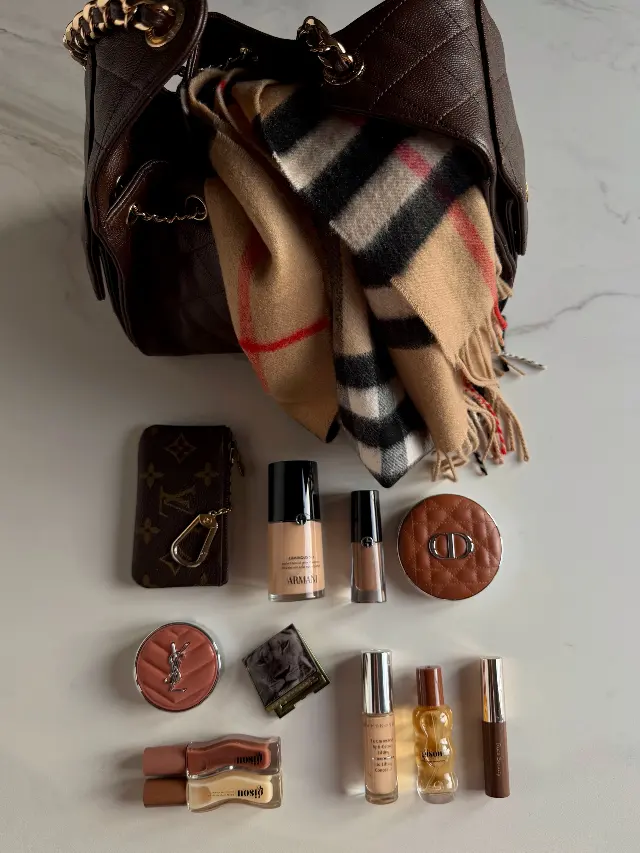
 Weekend beauty edit: makeup favourites and London Christmas windows
#Lip Care
1 ideas
Weekend beauty edit: makeup favourites and London Christmas windows
Get new #Lip Care ideas by email
Every Thursday: the week's best ideas, with the newest from #Lip Care.
Related tags
Lip Care: A Simple Guide to Soft, Healthy Lips
Lips are one of the few places on the body without oil glands. That single fact explains most of what goes wrong with them: no natural lubrication, a thin outer layer, and constant exposure to weather, food, breathing and talking. Where the rest of the face can rely on its own sebum, lips depend almost entirely on what you put on them and how you treat them. Understanding that changes lip care from a cosmetic afterthought into a small, steady routine.
What lips actually need
The basics are unglamorous. Water, a little protection from wind and sun, and a habit of not licking them. Saliva feels soothing for a moment, but as it evaporates it takes moisture with it, and the enzymes in it are not kind to the delicate surface. Most chapping that people try to treat with more product is really a mild, self-inflicted cycle of wetting and drying.
Lips do benefit from sun protection. Because the skin there is thin and low in melanin for many people, it burns easily, and damage accumulates quietly over years. A balm or lip product with sun protection is a sensible default for time outdoors, reapplied the way you would reapply anything else.
Read more
Exfoliation, gently
Flakes accumulate, and it is tempting to scrub them away hard. Don't. A soft toothbrush, a damp cloth, or a mild sugar-and-oil mixture used once or twice a week is enough; more than that irritates the surface and invites more flaking. A useful trick is to exfoliate in the evening after a warm shower, when skin is softened, then apply something occlusive straight away. Never pick or peel; it removes layers that then have to heal.
Choosing a balm
Look for short ingredient lists built around occlusives and humectants: petrolatum, beeswax, shea or cocoa butter, squalane, glycerin, lanolin. These sit on the surface and slow water loss, or draw moisture in. Ingredients like menthol, camphor, peppermint and heavy fragrance give a pleasant tingle but can sting already-compromised lips, so they are better avoided when lips are sore.
Texture matters more than price. A thick balm is good for night and cold weather; a lighter one suits daytime under colour. If you wear long-wear or matte lipstick, a thin balm underneath protects without breaking down the formula, and a gentle oil-based remover at night saves a lot of tugging.
Everyday habits that help
Keep a balm where you will actually reach for it, and apply before bed rather than only during the day. Breathe through your nose where you can, especially outdoors in wind. Don't hold metal straws or bottles against your lips in freezing weather. If you chew your lips when concentrating, notice it; that small habit is often the whole problem.
Simple, consistent care works better than rescue attempts. A little protection, gentle exfoliation, and leaving your lips alone will keep them comfortable through most of what the seasons throw at them.
#Lip Care: frequently asked questions
How do I start a simple lip care routine?
Start with the smallest possible habit: keep a balm within reach and apply it before bed, not only when lips already feel tight. Add sun protection for time outdoors, and stop licking your lips when they feel dry. Everything else — gentle exfoliation, a richer balm in cold weather — is a refinement you can layer on later.
What do I actually need to keep my lips comfortable?
Less than the beauty aisle suggests: water, some protection from wind and sun, and a balm built around occlusives or humectants that slow moisture loss. Lips have no oil glands of their own, so they rely almost entirely on what you put on them and how you treat them. Skipping the lip-licking habit matters as much as any product.
Should I choose a thick balm or a lighter one?
Texture matters more than anything else on the label. A thick, occlusive balm suits night and cold, windy weather, while a lighter one sits comfortably under colour during the day. If you wear matte or long-wear lipstick, a thin layer underneath protects without breaking down the formula.
How do I deal with flaky lips without making them worse?
Be gentler than feels satisfying — a damp cloth, a soft brush or a mild sugar-and-oil scrub used occasionally is plenty, and more than that irritates the surface and invites more flaking. Exfoliating in the evening after a warm shower, then sealing with something occlusive straight away, works well. Never pick or peel, since that strips layers that then have to heal.
What are the most common lip care mistakes?
Licking dry lips is the big one: saliva feels soothing briefly but takes moisture with it as it evaporates, creating a wet-and-dry cycle that keeps chapping going. Scrubbing hard at flakes and choosing strongly tingling or heavily fragranced balms when lips are sore are close behind. Leaving lips alone, with steady protection, usually beats rescue attempts.
How can I keep lips comfortable when wearing matte lipstick?
Prep first with a thin balm so the colour glides rather than drags, and blot before applying. At night, remove long-wear formulas with a gentle oil-based remover instead of tugging at the delicate surface. Giving lips a bare, well-moisturised day between bold looks helps too.
Videos come from YouTube and posts from Instagram; titles and summaries are our own. All rights belong to their creators.