 Christopher Columbus Story for English Listening Practice
#Listening Practice
20 ideas
Christopher Columbus Story for English Listening Practice
 English Podcast for Learning Conversation and Listening Skills
 Beginner English Conversation And Listening
 Stop Wasting Your Time and Take Control English Listening Practice
 Train Your Brain to Speak English With Beginner Listening Practice
 How to Think Positive Every Day English Listening Practice
 IELTS Listening Practice Test With Answers
 Beginner English Challenge Daily Listening Practice
 Speak English With Me Fifteen Minute Podcast Practice
 A2 Level English Reading Challenge and Speaking Practice
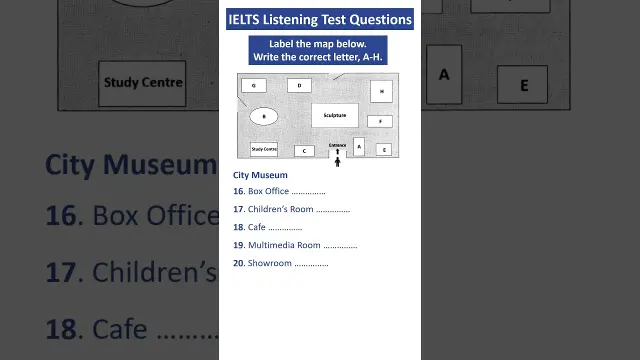 IELTS Listening Practice Test With Answers
 Improve Your English With Intermediate Listening Practice
 English Listening Practice About the Power of Love
 IELTS Listening Practice Test With Answers
 Everyday English Speaking Podcast
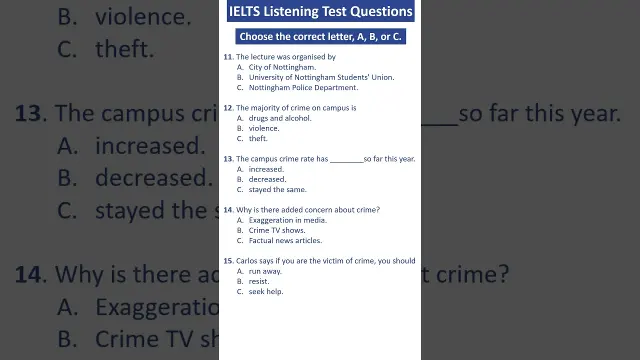 IELTS Listening Practice Test With Answers
 The Entire History of the British Empire English Listening Practice
 Advanced English Listening Practice for C1 and C2 Fluency
 Daily English Speaking Practice and Listening Conversation
 Who Really Opened the Great Wall of China Listening Practice
Get new #Listening Practice ideas by email
Every Thursday: the week's best ideas, with the newest from #Listening Practice.
Related tags
Listening Practice for Language Learners
What listening practice is
Listening practice is the habit of training your ear to understand spoken language. It helps you follow words, sounds, rhythm, and meaning as they are used in real speech. If you are learning a language, listening is one of the most useful skills because it connects what you study in books with how people actually speak.
Listening is not just about hearing every word. It is also about recognizing common phrases, understanding the general meaning, and catching important details even when the speaker talks quickly or uses unfamiliar vocabulary.
Why it matters
Read more
Good listening skills make everyday communication easier. They help you understand conversations, instructions, stories, songs, podcasts, and films. They also support your speaking, because you begin to notice how native speakers link words, stress important points, and use natural patterns in sentences.
For beginners, listening can feel difficult at first. Spoken language often sounds faster and less clear than written language. That is normal. With regular practice, your brain becomes better at separating sounds and finding meaning.
Common kinds of listening practice
There are many ways to practice listening, and the best mix depends on your level.
- Slow, clear audio for beginners
- Short dialogues and everyday conversations
- Stories or interviews with familiar topics
- Films, shows, or videos with subtitles
- Repeated listening to the same recording
- Dictation, where you write down what you hear
It helps to choose material that is slightly challenging but not overwhelming. If everything sounds too hard, you may lose confidence. If it is too easy, you may not improve much.
How to practice well
A useful approach is to listen more than once. The first time, try to understand the main idea. The second time, notice key words and details. If needed, listen again and compare what you heard with the script or subtitles.
You can also:
- Start with short recordings
- Focus on one task at a time, such as main ideas or specific words
- Pause and repeat difficult sections
- Shadow the speaker by repeating what you hear
- Keep a notebook of useful phrases and new vocabulary
Try not to translate every word in your head. Instead, train yourself to understand meaning directly from context. Over time, this makes listening feel more natural.
Tips for beginners
If you are just starting, choose clear speech and familiar topics such as family, routines, food, or daily life. Short, simple recordings are better than long ones. It is also helpful to combine listening with reading, so you can see how words are spelled and pronounced.
Be patient with yourself. Listening skill grows gradually, and progress is often easier to notice in small steps: understanding one extra sentence, recognizing a familiar phrase, or following a conversation more easily than before.
The most important thing is regular practice. Even a few minutes a day can help your ear become stronger and your understanding more confident.
Videos come from YouTube and posts from Instagram; titles and summaries are our own. All rights belong to their creators.