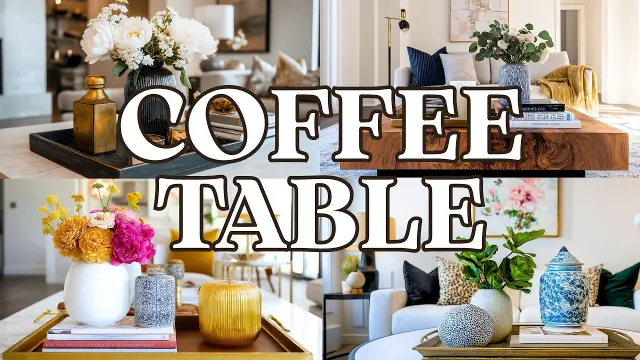
 Coffee Table Decor Ideas with Tray Layouts
#Living Room Styling
2 ideas
Coffee Table Decor Ideas with Tray Layouts
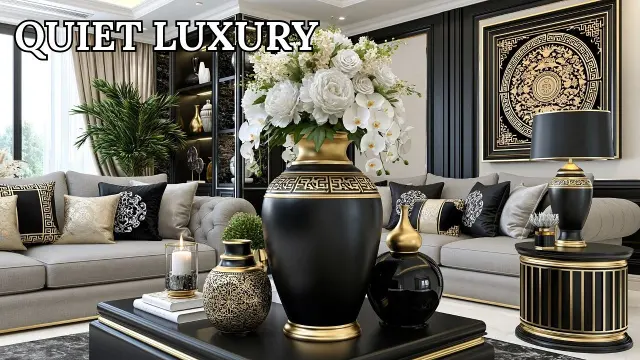 Quiet Luxury Decorating Principles to Elevate Your Living Spaces
Get new #Living Room Styling ideas by email
Every Thursday: the week's best ideas, with the newest from #Living Room Styling.
Related tags
Living Room Styling Ideas and Principles
What living room styling means
Living room styling is the art of arranging a room so it feels comfortable, practical, and visually balanced. It is not only about choosing furniture, but about how every element works together: seating, lighting, colour, texture, storage, and decorative pieces. A well-styled living room supports everyday life while also reflecting your taste.
The living room has long been one of the main gathering spaces in a home. It may be used for relaxing, reading, talking, watching television, or entertaining guests. Because it serves so many purposes, good styling helps the room feel calm and easy to use rather than crowded or mismatched.
Start with the layout
Read more
The best living room styling begins with the layout. Think about how people move through the space and where conversation or relaxation will happen. A sofa, armchairs, and a coffee table often form the main arrangement, but the right choice depends on the size and shape of your room.
Try to leave enough space to walk comfortably around furniture. If the room is small, choose pieces with lighter visual weight and avoid filling every corner. If it is large, create smaller zones so the space feels inviting instead of empty. A rug can help define the seating area and bring the furniture together.
Choose a clear colour direction
Colour sets the mood of the room. Soft neutrals often create a calm, timeless feel, while deeper or brighter colours can make the space more expressive. You do not need many colours to make a room interesting. A simple palette, repeated across furniture, textiles, and accessories, often looks more polished than many competing shades.
If you are unsure where to begin, use one base colour, one supporting colour, and a small accent colour. This helps the room feel connected and easy on the eye.
Use texture and layers
Texture adds warmth and depth. You can combine smooth, woven, soft, matte, and natural finishes to keep the room from feeling flat. Cushions, throws, curtains, rugs, wood, stone, glass, and metal all contribute different surfaces and moods.
Layering is also important. A room feels more complete when it includes a mix of larger furniture, softer textiles, and smaller decorative objects. The key is to vary the materials while keeping the overall look simple.
Decorate with intention
A few well-chosen objects usually work better than many small items. Artwork, lamps, books, plants, baskets, and personal pieces can give the room character without making it feel cluttered. Group items in threes or vary heights to create a natural, balanced look.
- Repeat shapes or colours in different parts of the room
- Mix practical pieces with decorative ones
- Leave some empty surfaces so the room can breathe
- Use mirrors to reflect light and open up the space
Keep comfort and function in mind
A stylish living room should still be easy to live in. Choose furniture that suits the way you actually use the space. Good lighting matters too: a combination of ambient, task, and accent lighting makes the room more flexible and welcoming.
Above all, let the room evolve slowly. The most successful living room styling feels personal, comfortable, and unforced, with each piece serving a purpose and contributing to the whole.
Videos come from YouTube and posts from Instagram; titles and summaries are our own. All rights belong to their creators.