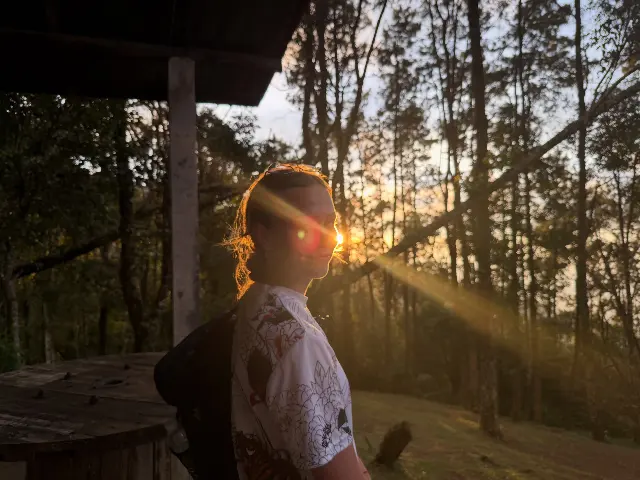
 Experiencing Chiang Mai and Local Hospitality
#Local Culture
1 ideas
Experiencing Chiang Mai and Local Hospitality
Get new #Local Culture ideas by email
Every Thursday: the week's best ideas, with the newest from #Local Culture.
Related tags
Local Culture: How to Notice, Respect and Join In
Local culture is the everyday life of a place — the way people there greet each other, cook, celebrate, mourn, dress, pray and pass the time. It lives in the language spoken at the market, the shape of the houses, the songs at a wedding, the recipe a grandmother refuses to write down. It is not the same as heritage sites or museum exhibits, though those grow out of it. Culture here means the living, changing habits of a community, and it belongs to the people who practice it rather than to the visitors who admire it.
Where it comes from
Every local culture is layered. Geography and climate shape what grows, what gets built and what gets eaten. History brings trade, migration, and sometimes hardship, and each of these leaves something behind — a word, a spice, a style of roof. Religion and family structure influence how time is kept and how respect is shown. Nothing about this is fixed: cultures borrow, adapt and drop things constantly, which is why a town's traditions may look quite different from what a guidebook printed twenty years ago describes.
What you will notice
Read more
Cultures show themselves in small, ordinary details. Look at how people queue, how loudly they speak, whether strangers are greeted, how elders are addressed, when shops close, whether meals are shared from common plates. Food, crafts, music, dance, festivals and markets are common entry points, but so are quieter things: the way a doorway is decorated, the hour the streets empty, the words used for thank you.
Taking part respectfully
Curiosity is welcome in most places; entitlement is not. A few habits travel well.
- Ask before photographing people, homes or ceremonies. A gesture and a smile usually communicate the question.
- Learn a handful of words — hello, thank you, please. Effort matters more than accuracy.
- Dress and behave according to the setting, especially in places of worship or during rituals.
- Buy from local makers rather than imported souvenirs, and pay what they ask without haggling a craftsperson to the bone.
- Accept hospitality graciously, but do not treat invitations as an attraction.
- Notice when something is not meant for outsiders — a private rite, a sacred object, a family occasion — and step back without resentment.
- Ask questions about the everyday rather than the exotic. People are usually glad to explain what they actually do.
For beginners
Start with the market and the neighbourhood, not the checklist of sights. Eat where the locals eat, walk slowly, sit somewhere public and simply watch. Read a little history beforehand so you can place what you see. Keep a small notebook; details fade fast.
Expect to get things wrong. Local culture is not a test you pass, but a conversation you join. The most memorable travel and the most genuine interest share one quality: the willingness to be a guest rather than a consumer.
#Local Culture: frequently asked questions
How do I actually start experiencing local culture when I arrive somewhere new?
Skip the sightseeing checklist on the first day and head for the market and the surrounding neighbourhood instead. Eat where local people are eating, walk slowly, and sit somewhere public just to watch how the day unfolds. Reading a little history beforehand helps you place what you see, and a small notebook is worth carrying because the details fade quickly.
What's the difference between local culture and heritage sites or museums?
Local culture is the living, everyday version — how people greet each other, cook, celebrate, dress and pass the time. Heritage sites and exhibits usually grow out of that life but freeze it in place, so they show you where a tradition came from rather than how it's being practised today. If you only visit the exhibits, you miss the part that is still changing.
What do I need in order to take part respectfully?
Curiosity and the willingness to be a guest rather than a consumer will take you further than any preparation. Learn a few words — hello, please, thank you — since the effort matters more than getting them right, and dress and behave to suit the setting, particularly in places of worship or during rituals. Ask before photographing people, homes or ceremonies, and accept that some things simply aren't meant for outsiders.
How should I handle hospitality and buying from local craftspeople?
Accept invitations graciously without treating them as a spectacle, and remember that being welcomed in is a kindness rather than an attraction. When you buy, go to local makers instead of imported souvenir stalls and pay the price they ask rather than bargaining a craftsperson down. That kind of exchange keeps skills alive in the place that produced them.
What are the most common mistakes visitors make?
The usual ones are chasing the exotic instead of the ordinary — asking about ceremonies and costumes while ignoring how people actually spend their days. Photographing without asking, over-haggling, and assuming an invitation is an open door all wear thin quickly. Expect to get things wrong anyway; it's a conversation you join, not a test you pass.
How can I learn about a place's culture before I arrive?
Read a little history so the geography, food and architecture make sense once you're there, and look for accounts written by people who live in the place rather than only by those passing through. Keep your expectations loose, because cultures borrow and adapt constantly and a town's habits may look nothing like an older description. Then let the everyday details — greetings, shop hours, the words for thank you — do the rest.
Videos come from YouTube and posts from Instagram; titles and summaries are our own. All rights belong to their creators.