 Local Guide's Top Ten Things to Do in Prague, Tourist-Trap Free
#Local Guide
2 ideas
Local Guide's Top Ten Things to Do in Prague, Tourist-Trap Free
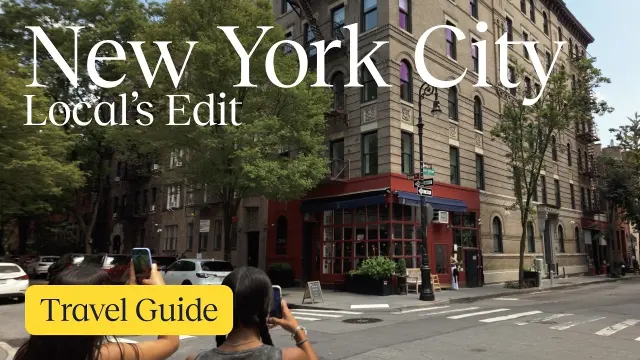 New York City Must-See Neighborhood Travel Guide and Local Secrets
Get new #Local Guide ideas by email
Every Thursday: the week's best ideas, with the newest from #Local Guide.
Related tags
Local Guide: How to Explore a Place Like a Local
What a local guide is
A local guide is a person, map, article, or travel list that helps you understand a place through the eyes of people who know it well. Instead of focusing only on the main sights, a local guide points you toward neighborhoods, everyday routines, small shops, markets, cafés, parks, and cultural habits that give a place its character.
Local guides can be written for visitors, new residents, or anyone who wants a deeper feel for a city, town, or region. They are useful because they help you move beyond the obvious and notice what makes a place distinctive.
What a local guide usually covers
Read more
A good local guide often includes a mix of practical and cultural information. It may explain how different neighborhoods feel, what areas are best for walking, where to find food, how to get around, and which places are meaningful to locals. It may also mention customs, etiquette, and simple tips that make exploring easier and more respectful.
Common topics include:
- Neighborhoods and what each one is known for
- Places to eat, shop, or relax
- Public transport, walking routes, and general orientation
- Local habits, greetings, and basic etiquette
- Family-friendly or quiet areas
- Indoor and outdoor activities in different weather
Styles of local guides
Local guides can take many forms. Some are practical and straightforward, with clear directions and essential information. Others are more personal, describing favorite corners, hidden courtyards, independent shops, or places with a strong community feel. Some are made for specific interests, such as food, fashion, home interiors, crafts, or family outings.
You may also find guides that focus on:
- A single neighborhood
- A whole city
- A region or countryside area
- A theme such as markets, architecture, or weekend walks
How to use a local guide well
The best local guides are a starting point, not a strict rulebook. Use them to shape your plans, then leave space for discovery. A place often feels most memorable when you combine planning with curiosity.
A few practical tips help:
- Check whether the guide matches your interests and pace
- Look for neighborhood descriptions, not just lists of attractions
- Pay attention to opening hours and transport details if the guide includes them
- Keep your route flexible so you can stop when something catches your eye
- Ask locals politely for advice when you arrive
What beginners should know
If you are new to using local guides, start simple. Choose one area to explore instead of trying to see everything at once. Read a little about the neighborhood before you go, so you know what kind of place it is and how to behave there. If something is described as quiet, residential, or community-focused, visit with respect and keep noise low.
It also helps to remember that every guide reflects one perspective. Different people experience the same place differently, so compare a few sources if you can. Trust your own sense of comfort and safety, especially in unfamiliar surroundings.
The value of local knowledge
Local guides are valuable because they bring texture and context to travel and everyday exploration. They help you notice the rhythm of a place, from morning markets to evening walks, and they remind you that a destination is not only its landmarks. When used thoughtfully, a local guide can make any trip feel more personal, grounded, and memorable.
#Local Guide: frequently asked questions
How do I start using a local guide if I've never tried one before?
Pick a single neighborhood or district rather than an entire city, so you can actually walk it and notice the small things. Read a short background on the area first — whether it's residential, busy, or quiet — so you know how to behave and what to expect. Then go with a loose plan and leave room to follow whatever catches your eye.
What should I look for when choosing a local guide?
Check whether it describes how places feel, not just what they are, since neighborhood character and everyday details are what make a guide useful. Look for practical orientation too: walking routes, how to get around, and notes on local habits or etiquette. Match it to your own pace and interests, and compare more than one source, because every guide reflects a single perspective.
What kinds of local guides are there, and which one suits me?
Some are straightforward and practical, while others are more personal and focus on favorite corners, independent shops, or community spots. Others are built around a theme such as food, crafts, markets, architecture, or family outings, or around a specific area rather than a whole destination. Choose by how you like to travel: pick a practical one if you want orientation, and a personal or themed one if you want atmosphere and ideas.
What do I need to prepare before exploring with a local guide?
Note the essentials the guide mentions — opening hours, transport, and which areas are best on foot — so your day doesn't collapse around one closed door. Skim the etiquette and customs notes, especially for quiet or residential places where low noise and respect matter. Beyond that, you need very little: comfortable shoes, a flexible route, and the willingness to ask locals for advice once you arrive.
What are the most common mistakes people make with local guides?
The biggest one is treating a guide as a strict checklist and rushing to tick off every item, which leaves no room for discovery. Another is skipping the neighborhood context and heading straight for highlights, which flattens the place into a list. Finally, people often forget that a guide is one person's view — comparing a couple of sources keeps you from mistaking a preference for a rule.
How can I use a local guide for a family day out or a themed weekend?
Look for guides that note family-friendly or quiet areas, indoor options for bad weather, and places where you can pause without pressure. If your weekend has a theme, pick a guide built around markets, crafts, food, or walks so the day has a natural shape. Keep the route short enough to stay enjoyable and let the plan bend when something interesting appears.
Videos come from YouTube and posts from Instagram; titles and summaries are our own. All rights belong to their creators.