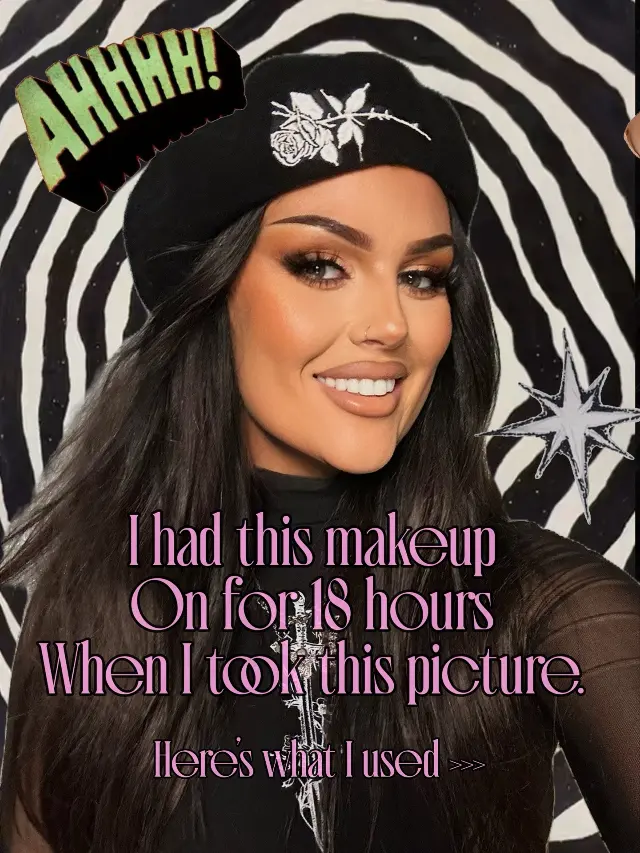
 Neutral Long-Wear Makeup Beat With a Full Product Breakdown
#Long-Wear Makeup
1 ideas
Neutral Long-Wear Makeup Beat With a Full Product Breakdown
Get new #Long-Wear Makeup ideas by email
Every Thursday: the week's best ideas, with the newest from #Long-Wear Makeup.
Related tags
Long-Wear Makeup: A Practical Guide to Makeup That Lasts
Long-wear makeup is any cosmetic formulated to stay on the skin for many hours with minimal fading, transferring or smudging. The idea is simple: rather than needing constant touch-ups, a product should hold its colour and finish from morning until evening, through heat, humidity and the ordinary friction of daily life.
Where it comes from
Long-lasting formulas were first developed for stages and screens, where performers needed makeup that survived bright lights, sweat and repeated costume changes. As the ingredients that make this possible became cheaper and more comfortable, they moved into everyday cosmetics. Today the same principles — stubborn pigments, flexible films, textures that resist water and oil — sit behind most products sold as long-wear, transfer-proof or all-day.
How it works
Read more
Most long-wear products rely on a few shared ideas. Pigments are ground finely and suspended in a base that sets after application, either by evaporating a volatile component or by forming a thin flexible film on the surface. Silicones and waxes make that film water-resistant and smooth, while powders absorb oil so the finish stays matte instead of sliding. The trade-off is that the same qualities that keep makeup in place can make it feel drier or harder to remove.
The main kinds
Foundation and concealer built for long wear tend to be more pigmented, so a thin layer covers well. Lipsticks labelled long-wear often come as liquids that set to a stain or a film, sometimes with a balm to layer on top. Mascaras and eyeliners described as waterproof or smudge-proof use waxes and polymers that resist tears and humidity. Setting powders and sprays are the supporting act: they don't create longevity on their own, but they help the layers beneath stay put.
What beginners should know
Start with the skin. Cleansing and a light moisturiser, left to absorb, give makeup something to grip; a greasy base is the most common reason a long-wear product breaks down early. Apply in thin layers and build only where you need coverage, since thick layers crease and settle into lines. A primer helps on oily areas, but it should match the formula of the foundation rather than fight it. Let each layer set for a moment before adding the next.
Technique matters as much as the product. Press powders in rather than sweeping them, blot shine with paper instead of adding more powder, and keep a separate lip balm for comfort rather than topping up colour constantly. On the eyes, a small amount of powder on the lids before liner or shadow reduces smudging.
Practical care
Long-wear makeup deserves a proper removal routine. A cleansing oil or balm loosens the film first, followed by a gentle water-based cleanser; rubbing hard at stubborn residue irritates skin over time. If your skin is sensitive or prone to dryness, test new formulas on a small area first and give your skin regular makeup-free days. Long wear is a convenience, not a requirement — the best routine is the one your skin tolerates comfortably.
#Long-Wear Makeup: frequently asked questions
How do I start using long-wear makeup without it looking heavy?
Begin with clean, lightly moisturised skin and let the moisturiser absorb fully before anything else goes on — a greasy base is what usually makes long-wear products break down early. Apply in thin layers and build coverage only where you actually need it, since thick layers are what crease and settle into lines. Give each layer a moment to set before adding the next.
What products do I actually need for an all-day look?
You only need a long-wear base, something for the eyes, and a setting step. A pigmented foundation or concealer does the most work, a waterproof mascara and smudge-resistant liner hold the eyes, and a setting powder or spray helps the layers beneath stay put. The setting products don't create longevity by themselves, so they support rather than replace a good base.
Which kind of long-wear formula should I choose?
Pick based on where you want the wear to hold and how much comfort you're willing to trade for it. Liquid lipsticks that set to a stain or film last well but can feel drying, so pair them with a balm layered on top, while waterproof eye formulas suit humidity and tears. For the face, a more pigmented base lets you use less product and still get even coverage.
How do I take long-wear makeup off without irritating my skin?
Start with a cleansing oil or balm, which loosens the film, then follow with a gentle water-based cleanser to clear the residue. Avoid rubbing hard at stubborn patches, because that friction is what irritates skin over time. If your skin is sensitive or dry, patch-test new formulas and give yourself regular makeup-free days.
What are the most common mistakes people make with long-wear makeup?
The biggest one is skipping proper skin prep or applying over a greasy base, which shortens wear before the day even starts. Another is piling on powder to fix shine instead of blotting with paper, which makes the finish look cakey rather than matte. Sweeping powder on instead of pressing it in, and topping up lip colour constantly instead of using a separate balm, are also easy habits to correct.
Can I wear long-wear makeup for a special occasion like a wedding or a long event?
Yes — these formulas were originally made for performers under bright lights and heat, so they suit occasions where you can't touch up. Keep the layers thin and match your primer to your foundation formula rather than layering products that fight each other. Carry blotting paper rather than extra powder, and plan a proper removal routine for the end of the day.
Videos come from YouTube and posts from Instagram; titles and summaries are our own. All rights belong to their creators.