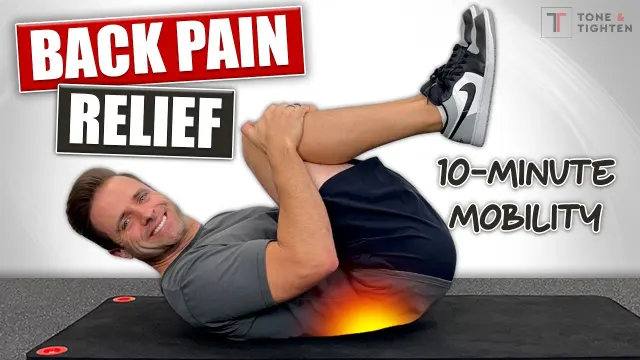
 Ten Minute Guided Mobility Routine for Lower Back Relief
#Lower Back Pain
1 ideas
Ten Minute Guided Mobility Routine for Lower Back Relief
Get new #Lower Back Pain ideas by email
Every Thursday: the week's best ideas, with the newest from #Lower Back Pain.
Related tags
Lower Back Pain: A Gentle Guide to Understanding and Easing It
Lower back pain is one of the most common complaints people bring to their doctors, and yet it remains one of the most misunderstood. The lower back — the lumbar region — carries much of the body's weight, twists and bends with almost every movement, and connects the upper body to the legs. That workload makes it vulnerable, but it also means that small, consistent habits can make a real difference to how it feels.
What is happening in the lower back
The lumbar spine is a stack of bones called vertebrae, cushioned by discs that act as shock absorbers. Muscles, ligaments and the deep abdominal and spinal muscles hold the whole structure steady, while nerves pass through and out toward the hips and legs. Pain can come from any of these parts. Often it is described as a dull ache across the belt line; sometimes it is sharp and tied to a particular movement. It may be brief and settle on its own, or come and go over weeks.
Common kinds and causes
Read more
Most lower back pain is described as mechanical, meaning it relates to how the back is loaded and moved rather than to a serious underlying condition. It can be triggered by lifting something awkwardly, sitting for long stretches, a sudden increase in activity, or simply the accumulated strain of daily life. Some people experience pain that travels into the buttock or leg, which is often related to nerve irritation. Stress and poor sleep are widely recognised as things that make pain feel worse and recovery slower.
What helps
Movement is usually the most valuable thing you can give a painful back. Long periods of bed rest tend to make stiffness worse, so gentle walking and everyday activity, adjusted to what feels tolerable, are generally encouraged. Heat — a warm shower or a heat pack — can soothe tight muscles. Over-the-counter pain relief is an option for many people, but it is worth checking with a pharmacist or doctor about what suits you, especially if you take other medicines or have health conditions.
Building strength is the longer game. Exercises that gently work the deep abdominal muscles, the glutes and the back itself help the spine tolerate daily demands. Pilates, swimming, yoga and simple mobility routines are popular for good reason: they combine movement, controlled breathing and body awareness. Start slowly, expect some fluctuation, and avoid comparing your progress to anyone else's.
Everyday habits worth keeping
- Break up long sitting with a short walk or a change of position every so often.
- When lifting, bend at the knees, keep the load close and avoid twisting while carrying.
- Adjust your chair and screen so you are not slumped or craning forward.
- Keep moving in small ways throughout the day rather than saving all activity for one session.
- Make sleep a priority; a rested body handles strain better.
When to seek help
Most episodes ease with time and gentle activity. Do seek professional advice if pain follows a fall or injury, if it is severe or steadily worsening, if you feel numbness or weakness in the legs, or if it comes with fever, unexplained weight loss or changes in bladder or bowel control. These are reasons to be assessed promptly, not to worry in silence.
Above all, be patient with yourself. Recovery from back pain is rarely a straight line, and steady, unremarkable consistency tends to do more than any single dramatic fix.
#Lower Back Pain: frequently asked questions
How do I start being more active when my lower back hurts?
Begin with the smallest version of movement that feels tolerable — a short walk, a change of position, a few gentle stretches. The page stresses that long bed rest tends to make a stiff back worse, so the aim is steady everyday activity rather than a big session. Build up gradually and expect some fluctuation rather than a straight line of improvement.
What do I actually need to help my lower back day to day?
Not much beyond your own body and a bit of routine: something warm like a shower or a heat pack for tight muscles, a chair and screen set up so you are not slumped, and a habit of breaking up long sitting. Some people also find over-the-counter pain relief useful, but the page suggests checking with a pharmacist or doctor about what suits your situation.
Which kind of movement is best for the lower back?
The page groups Pilates, swimming, yoga and simple mobility routines together because they combine movement with controlled breathing and body awareness. What matters more than the specific choice is that the practice gently works the deep abdominal muscles, the glutes and the back so the spine tolerates daily demands better. Pick the one you will actually keep doing, and start slowly.
What everyday mistakes make lower back pain worse?
Sitting for very long stretches without moving, lifting with a rounded back or twisting while carrying a load, and slumping at a desk are the habits the page points to most often. Saving all your activity for one part of the day instead of moving in small ways throughout also works against you. Poor sleep and stress are recognised as things that slow recovery, so they are worth treating as part of the picture.
How do I care for my back over the longer term?
Consistency matters far more than any single dramatic fix — small, unremarkable habits repeated over time tend to do the most. Strengthening the deep abdominal muscles, the glutes and the back itself helps the spine handle load, and protecting sleep gives a rested body a better chance of coping with strain. Be patient with yourself; recovery is rarely a neat progression.
When should I stop managing this myself and get help?
The page is clear that most episodes ease with time and gentle activity, but lists specific reasons to be assessed promptly: pain after a fall or injury, pain that is severe or steadily worsening, numbness or weakness in the legs, or pain alongside fever, unexplained weight loss or changes in bladder or bowel control. Those signs are a reason to speak to a professional rather than to wait quietly. This page is general information, not a substitute for being seen.
Videos come from YouTube and posts from Instagram; titles and summaries are our own. All rights belong to their creators.