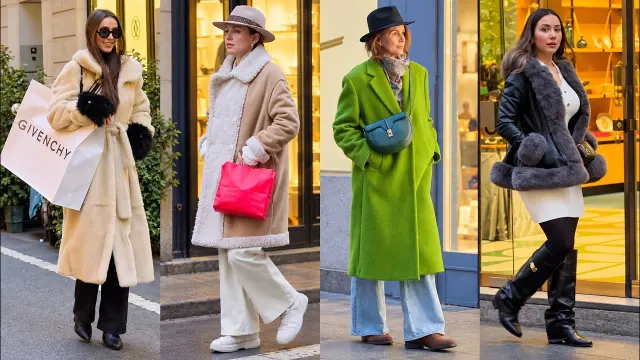
 Milan Chic Fall Trends with Elegant Luxury Outfits
#Luxury Outfits
1 ideas
Milan Chic Fall Trends with Elegant Luxury Outfits
Get new #Luxury Outfits ideas by email
Every Thursday: the week's best ideas, with the newest from #Luxury Outfits.
Related tags
Luxury Outfits: A Guide to Timeless Elegance
Luxury dressing is often confused with spending. In practice, the two rarely overlap. An outfit reads as luxurious when the material is good, the fit is precise and the wearer looks comfortable in it — qualities that can come from a tailor's small alteration as easily as from an expensive boutique. What follows is the thinking behind that kind of wardrobe: what makes it work, where it comes from, and how to begin.
What the idea rests on
The tradition of dressing well grew out of craftsmanship: garments made to last, cut to a body, and mended rather than replaced. Before clothing was cheap and plentiful, a coat was a considered purchase, chosen for its cloth and its construction. That sensibility survives in the modern idea of luxury — restraint over display, quality over quantity, and a preference for pieces that look better in the third year than the first.
Fabric comes first
Read more
Cloth is what the eye reads before it reads anything else. Natural fibres — wool, silk, linen, cotton, cashmere, leather — tend to drape, breathe and age more gracefully than synthetics, and they show in the way light falls across them.
- Look at the weave and the weight. A dense, slightly heavy fabric usually holds a shape better than a thin one.
- Prefer matte to shine. Quiet surfaces suggest quality; high shine tends to suggest the opposite.
- Check the inside: seams, linings and buttons tell you more about construction than the label does.
Fit is the whole game
Even fine cloth looks ordinary when it pulls at the shoulder or pools at the hem. A jacket that sits correctly at the shoulder, trousers hemmed to the right break, sleeves ending at the wrist bone — these details do more for an outfit than any single garment. Most wardrobes improve sharply after a modest round of alterations.
The palette that endures
Luxury styling leans on a narrow range of colours used deliberately: navy, charcoal, camel, cream, black, chocolate brown, with one accent allowed. Tonal dressing — several shades of one family — looks expensive because it is visibly intentional. Texture does the work that pattern would otherwise do: wool against silk, suede against crisp cotton.
Qualities worth learning to see
- Structure: a defined shoulder, a set-in sleeve, a garment that keeps its line.
- Proportion: one long element balanced by one close-fitting one.
- Understatement: fewer details, better executed.
- Finish: polished shoes, a clean hem, a bag that holds its shape.
Beginning a wardrobe
Start with the pieces worn most often: a coat, a jacket, trousers you trust, good shoes, a knit that survives washing. Buy slowly, one item at a time, and handle things before deciding. Consider vintage and resale, where older construction is often better than new. Learn a little about care, too — proper storage, gentle cleaning and occasional repair keep clothes looking considered for years, which is the quietest luxury of all.
#Luxury Outfits: frequently asked questions
How do I start building a luxury outfit wardrobe?
Begin with the pieces you reach for most often — an outer layer, a jacket, trousers, shoes and a knit — and add to them gradually instead of buying everything at once. Handle fabrics in person before committing, and give yourself time between purchases so each addition earns its place.
What do I actually need for an outfit to look expensive?
Good cloth, precise fit and a restrained palette do most of the work, far more than a visible label. A small round of alterations at the shoulder, hem and sleeve often changes how a garment reads more than replacing it would.
Which kind of luxury outfit should I choose for myself?
Choose the version that suits your daily life: tailored and structured for formal settings, softer natural fabrics and tonal layering for relaxed ones. Look for garments that keep their line when worn and feel comfortable the moment you put them on, since ease is part of what makes an outfit look considered.
How should I care for luxury clothing so it stays looking good?
Store pieces with room to breathe, clean gently and sparingly, and repair small damage before it spreads. Learning basic maintenance — brushing wool, airing garments instead of over-washing, keeping shoes polished — keeps clothes looking intentional for far longer than frequent replacement.
What are good luxury outfit ideas for a special occasion?
Lean on one strong element, such as a beautifully cut coat or a textured dress, and keep everything around it quiet and tonal. Mixing textures in a single colour family — wool with silk, suede with crisp cotton — gives an outfit depth without needing pattern or embellishment.
What mistakes make an outfit look less luxurious than it is?
Poor fit is the most common culprit: pulling shoulders, pooling hems and sleeves past the wrist undermine even fine fabric. Overloading a look with details, high shine and competing patterns also works against the understated quality that reads as luxury.
Videos come from YouTube and posts from Instagram; titles and summaries are our own. All rights belong to their creators.