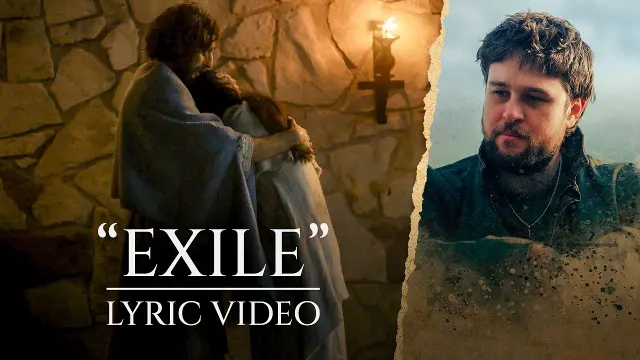
 Stephen Stanley Exile Lyric Video Inspired By The Chosen
#Lyric Video
1 ideas
Stephen Stanley Exile Lyric Video Inspired By The Chosen
Get new #Lyric Video ideas by email
Every Thursday: the week's best ideas, with the newest from #Lyric Video.
Related tags
What Is a Lyric Video? A Beginner's Guide
A lyric video is a short film built around a song's words. Instead of a narrative or a performance, the images on screen carry the lyrics, timed to the music so that each line appears roughly as it is sung. The song remains the star; the text is the visual. They are usually made by artists, labels or fans, and they live happily on video platforms, social feeds and anywhere a listener might want to read along.
Where they come from
Reading words while music plays is not new. Song sheets, printed sleeves, karaoke screens and the scrolling text on music television all did a version of it. What changed was distribution: once video platforms made it cheap and instant to publish a clip, artists realised they could release something visual alongside a single without the cost of a full production. From there the form settled into its own genre, with its own conventions and its own makers.
Why artists make them
Read more
A lyric video does several useful things at once. It gives listeners a reason to watch rather than only listen, it helps a song travel on platforms that reward video, and it makes the words legible, which matters for anything with a dense or emotional lyric. For audiences, the appeal is simpler: some songs are better understood when you can see the lines.
The main styles
- Typographic: the words do the work, set in a chosen typeface and animated in and out. Minimal and often the most effective.
- Illustrated: drawings, patterns or simple graphics accompany the lines.
- Photographic or footage-based: found or filmed clips behind the text, often slowed down and softened.
- Animated and motion graphics: shapes, colours and transitions that move with the beat.
- Performance or behind-the-scenes: studio or live clips with the lyrics laid over.
What beginners should know
Start with the song, not the visuals. Listen through with a notebook and mark where each line begins and ends; timing is the whole craft, and a lyric that lands a beat late is more distracting than any plain background.
Keep the typeface readable. High contrast, generous size and a font that suits the song's mood matter more than decoration. Avoid placing text where a platform's interface will cover it, and don't crowd the frame.
Less is usually more. One idea carried consistently reads better than five effects competing for attention.
Check that you have the right to use what you use. The recording and the composition usually belong to someone, and so does any footage or image you did not make yourself. Permission, licensing or working with the artist solves this properly.
Finally, watch it on a small screen before you publish. Most people will see it on a phone, in a hurry, possibly with the sound low. If the words still read clearly there, the video works.
#Lyric Video: frequently asked questions
How do I start making a lyric video for a song?
Begin with the song itself rather than with the visuals: listen through with a notebook and mark exactly where each line starts and stops. That timing map becomes the backbone of the whole piece, and everything else is built on top of it. Only once the words are placed should you think about typefaces, backgrounds and effects.
What do I actually need before I can put one together?
You need the song, a clear transcription of its lyrics, and a way to lay text over time — nothing more elaborate than that to begin with. The other essential is the right to use what you are working with, since the recording, the composition, and any footage or image you did not create yourself usually belong to someone else. Sorting out permission or licensing first saves a lot of grief later.
Which style should I choose?
It depends on the song and on how much you want the words to carry. A purely typographic approach, where the lyrics alone are animated in a well-chosen typeface, is minimal and often the most effective, while illustrated, photographic or motion-graphics treatments add atmosphere around the text. A useful rule is to carry one idea consistently rather than stacking several effects that compete for attention.
What are the most common mistakes to avoid?
The most frequent slip is letting the text drift out of sync, since a line that lands even slightly late pulls attention away from the song. The others are cramped or low-contrast type, decoration piled on until the words stop being readable, and text placed where a platform's interface will cover it. Watching the finished piece on a small phone screen, with the sound low, exposes most of these before you publish.
How do I know my lyrics will stay readable on a phone?
Favour high contrast, generous size, and a typeface that matches the mood of the song rather than one that simply looks interesting. Keep the frame uncluttered and leave the edges clear so interface elements do not sit on top of the words. Testing on a small screen in a hurry, as most viewers will actually encounter it, is the real check.
Do I need a big production to make one?
No — the form grew precisely because a visual clip could be released alongside a single without the cost of a full shoot. Simple graphics, drawings, slowed-down footage or plain animated text are all established styles. What holds a lyric video together is timing and legibility, not budget.
Videos come from YouTube and posts from Instagram; titles and summaries are our own. All rights belong to their creators.