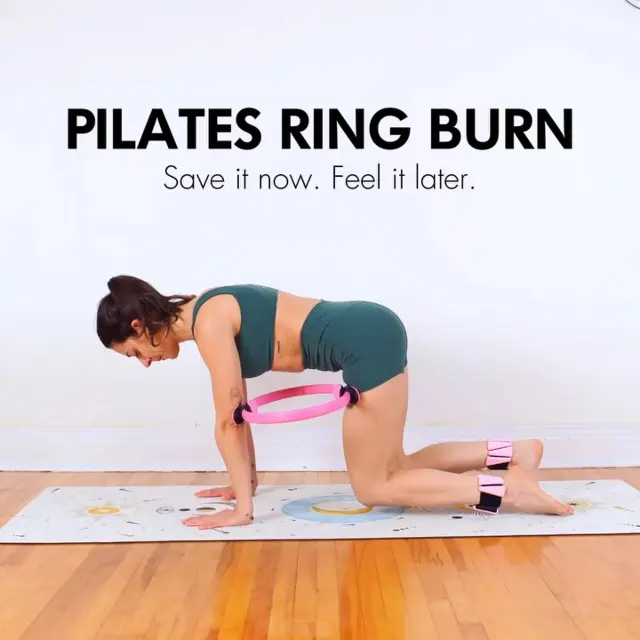
 Pilates magic circle sequence with a slower tempo
#Magic Circle
1 ideas
Pilates magic circle sequence with a slower tempo
Get new #Magic Circle ideas by email
Every Thursday: the week's best ideas, with the newest from #Magic Circle.
Related tags
Magic Circle in Pilates
What the magic circle is
The magic circle, also called a Pilates ring, is a lightweight resistance tool used in mat Pilates and other exercise routines. It is usually a flexible ring with padded grips on the inside and outside, designed to be gently squeezed between the hands, thighs, ankles, or other parts of the body. The circle adds steady resistance without bulky equipment, which makes it useful for home practice, studio classes, and travel.
Pilates equipment was developed to support controlled movement, posture, and body awareness. The magic circle fits that idea well because it encourages you to work with precision rather than force. Instead of relying on speed or heavy load, you use small, deliberate movements and maintain control throughout the exercise.
How it is used
Read more
The magic circle can be placed in many positions depending on the exercise. Common uses include holding it between the palms to activate the chest and arms, pressing it between the inner thighs to engage the legs and pelvic floor area, or placing it around the ankles to challenge stability.
Typical exercises may involve:
- gentle squeezes and releases
- overhead arm work
- side-lying leg movements
- seated posture drills
- core-focused floor exercises
Because the resistance is moderate, the circle is suitable for people who want to deepen their Pilates practice without needing heavy weights or complex machines.
Benefits of working with it
The magic circle can help you notice alignment, muscular balance, and control. It often brings attention to areas that are easy to overlook, especially the inner thighs, upper arms, and core. Many people find that it makes familiar Pilates movements feel more focused and precise.
It can also be useful for:
- building awareness of posture and symmetry
- adding light resistance to mat exercises
- supporting coordination and concentration
- varying a routine without changing the whole workout
As with all Pilates work, the goal is not to strain. The best results usually come from smooth, measured movement and consistent practice.
What beginners should know
If you are new to the magic circle, start with simple exercises and light pressure. You do not need to squeeze hard for the exercise to be effective. In fact, overdoing the pressure can lead to tension in the neck, shoulders, or jaw.
A few useful tips:
- keep your breathing steady
- move slowly and stay in control
- focus on posture before intensity
- stop if anything feels painful or unstable
- choose exercises that suit your current level
If you are practicing after a long break or with any physical limitation, it is wise to begin gently and adapt the range of motion as needed.
Good technique to remember
The magic circle works best when it supports mindful movement. Keep your shoulders relaxed, your spine long, and your grip even on both sides. Use the ring as a guide for alignment and muscle engagement rather than as a test of strength. When practiced well, it can be a simple but effective way to add variety and control to your Pilates routine.
Videos come from YouTube and posts from Instagram; titles and summaries are our own. All rights belong to their creators.