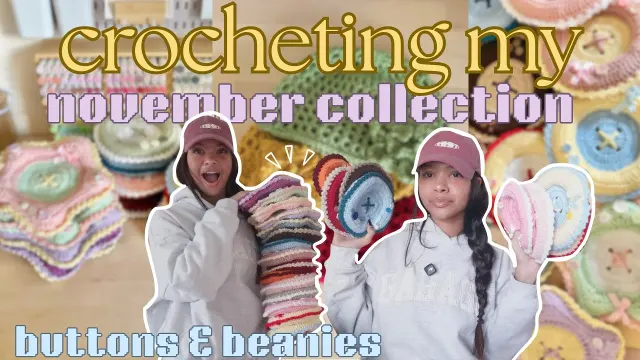
 Reviving a Failed Crochet Collection: Small Business Vlog
#Maker Vlog
1 ideas
Reviving a Failed Crochet Collection: Small Business Vlog
Get new #Maker Vlog ideas by email
Every Thursday: the week's best ideas, with the newest from #Maker Vlog.
Related tags
Maker Vlogs: Sharing the Craft Behind the Work
A maker vlog is a filmed diary of making something. It follows you through a project — a quilt, a batch of candles, a knitted sweater, a piece of furniture — and shows not just the finished object but the time, decisions and small failures that led there. Unlike a tutorial, it does not have to teach a technique step by step. Its subject is the experience of making: the worktable, the hands, the thinking out loud, the moment a plan changes.
Where the form comes from
People have always been curious about how things are made. Craft books and magazines long included studio visits and makers' diaries, and documentary film has a tradition of simply watching skilled hands at work. What the web added was intimacy and frequency: instead of a polished profile once a year, a maker could share the ordinary Tuesday afternoon when a seam ripper saves the project. That everyday rhythm, more than production value, is what the format is built on.
The main styles
Read more
- Process vlogs follow a single project from start to finish, often with a voice-over explaining choices.
- Studio vlogs show a stretch of days in your workspace, mixing making with tidying, planning and admin.
- Shop vlogs centre on running a small creative business: orders, markets, packing, restocking.
- Project diaries run long, following a collection, a wardrobe or a room over weeks or months.
- Quiet or ambient vlogs keep talking to a minimum and let the sounds of making carry the video.
Many vlogs blend several of these, and there is no rule about which is best. The one that suits your temperament is the one you will still be filming in a year.
What makes one work
A vlog needs a shape. Even a simple one benefits from a question at the start — will this fit, will this yarn be enough, can this be repaired — and an honest answer at the end. Sound matters as much as picture: viewers forgive a soft image far more readily than harsh echoes or muffled speech, so record in a small, soft-furnished room and keep the microphone close.
Film more than you think you need, especially the details: hands, tools, textures, the half-finished state. When you edit, be willing to cut anything that does not move the story, even if it took hours to make. Those hours still happened; the viewer only needs the part that carries them.
Practical tips for beginners
- Start with the phone you already own, one window for light and one project.
- Keep a short shot list so you remember to film the beginning, the turning point and the finish.
- Talk to the camera as though to a friend; rehearsed narration rarely sounds like you.
- Decide what stays private before you start filming, not after.
- Credit the makers and patterns that taught you, and keep your own voice in the work.
Making and filming at the same time takes practice. Accept that the first few videos will feel awkward, protect a little time each week for editing, and let the pace stay gentle. A maker vlog lasts longest when it is a record you would still want to keep even if nobody watched.
#Maker Vlog: frequently asked questions
How do I start a maker vlog with no filming experience?
Pick one project you were going to make anyway and film it with the phone you already own, using a single window for light. Keep a short shot list so you remember to capture the beginning, the turning point and the finished piece. The first few videos will feel clumsy, and that is a normal part of learning to make and film at the same time.
What equipment do I actually need for a maker vlog?
Far less than most beginners expect: a phone, one decent light source and a microphone placed close to you. Sound matters more than picture, because viewers will forgive a soft image long before they forgive echoing rooms and muffled speech. Filming in a small, soft-furnished space does more for your video than any upgrade.
Which style of maker vlog should I choose?
Think about your temperament rather than what performs well: process vlogs suit people who finish projects steadily, studio vlogs suit those who like the mess and admin around the making, and quiet vlogs suit anyone uncomfortable talking to camera. Many makers blend several styles as they go. The right one is simply the format you can still imagine filming a year from now.
How do I keep a maker vlog going when life gets busy?
Protect a small slot of time each week for editing, and treat filming as part of the making rather than an extra task layered on top. Let the pace stay gentle and accept that some weeks will produce very little footage. A vlog lasts longest when it is a record you would want to keep even if nobody watched it.
What are common mistakes beginners make with a maker vlog?
Filming too little detail is the usual one — hands, tools, textures and half-finished states are what give a vlog its texture, so shoot more than you think you need. Another is refusing to cut footage that took hours to make but does nothing for the story. It also helps to decide what stays private before you start filming rather than after.
Do I need to teach a technique in every video?
No — a maker vlog is a filmed diary of making something, not a step-by-step tutorial, so its subject is the experience rather than the instruction. What it does need is a shape, often a simple question at the start and an honest answer at the end. Crediting the makers and patterns that taught you keeps the work generous while leaving room for your own voice.
Videos come from YouTube and posts from Instagram; titles and summaries are our own. All rights belong to their creators.