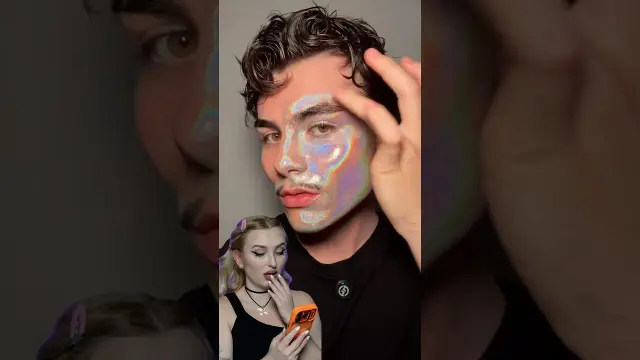
 Trying Out Holographic Makeup Using a Peel-Off Mask and Nail Foil
#Makeup Experiment
1 ideas
Trying Out Holographic Makeup Using a Peel-Off Mask and Nail Foil
Get new #Makeup Experiment ideas by email
Every Thursday: the week's best ideas, with the newest from #Makeup Experiment.
Related tags
Makeup Experimentation: Creative Looks and Techniques
What makeup experimentation means
Makeup experimentation is the practice of trying new colors, textures, tools, and application methods to create different looks. It can be as simple as testing a new lip shade or as expressive as building a dramatic eye, face paint-inspired design, or unusual finish. At its heart, it is a creative way to use makeup beyond routine grooming.
Makeup itself has a long history, appearing in many cultures for adornment, ceremony, status, performance, and personal expression. Over time, it has become both a daily habit and an artistic medium. Today, experimenting with makeup lets you explore what suits your face, your style, and your mood.
Common styles and approaches
Read more
There are many ways to experiment with makeup. Some people focus on subtle changes, while others enjoy bold artistic looks.
- Color play: mixing unexpected shades on the eyes, cheeks, or lips
- Texture play: combining matte, satin, glossy, or shimmering finishes
- Graphic makeup: using clean lines, shapes, or negative space
- Soft experimental looks: unusual placement of color, but still wearable
- Costume or editorial-inspired looks: more dramatic, expressive, and artistic
You may also experiment by changing just one element at a time, such as a bright liner, a glossy lid, or an ombré lip. This makes it easier to see what works for you.
Techniques worth trying
A good place to begin is with the basics. Blend well, build color slowly, and keep the rest of the look simple if one feature is bold. If you want a more unusual effect, try layering products carefully. For example, a cream product can give a softer base, while a powder on top may add intensity or set the look.
You can also experiment with placement. Blush higher on the cheeks, a lighter touch of contour, or color extended slightly beyond the usual area can change the overall effect. On the eyes, different shapes of liner or shadow can alter the mood of the face.
Tools matter too. Fingers can soften edges, brushes give precision, and sponges help blend seamlessly. Clean tools are important, especially when you are mixing products or switching between shades.
Helpful tips for beginners
Start with products you already know and trust. Test one new idea at a time so you can understand what each change does. If you are trying a strong color or a bold shape, keep the skin finish simple so the look feels balanced.
- Use a primer or light base if you want smoother application
- Layer gradually to avoid harsh lines or patchiness
- Keep cotton swabs and a clean brush nearby for small fixes
- Take photos in natural light to see how the makeup really looks
- Remove makeup gently at the end of the day
A few practical things to remember
Experimenting should feel playful, not stressful. Not every look will suit every face, and that is part of the process. If you have sensitive skin, choose products that are generally well tolerated and stop using anything that causes discomfort. Pay attention to blending, symmetry, and comfort, but do not worry about perfection.
The most useful part of makeup experimentation is learning what you enjoy. Over time, you may find that your favorite looks come from combining one familiar technique with one unexpected detail.
#Makeup Experiment: frequently asked questions
How do I start experimenting with makeup if I usually stick to a routine?
Begin with the products you already own and change just one thing at a time, like a brighter liner or an unusual lip finish. Keeping the rest of the look familiar makes it easy to see what the new element actually does. Taking a photo in daylight afterward helps you judge the result honestly.
What do I need to try more creative makeup looks?
A few brushes for precision, a sponge or your fingers for blending, and cotton swabs for quick fixes cover most experiments. A primer or light base helps colors sit smoothly, and layering a cream product under a powder can add intensity. Clean tools matter most, especially when you mix shades.
Which kind of makeup experiment should I try first?
Subtle experiments are the easiest entry point: color placement shifted slightly, a glossy lid, or a softly blended ombré lip. Graphic lines and dramatic costume or editorial looks are better once you are comfortable with blending and building color slowly. Choose based on where you want the look to be worn.
How do I keep experimental makeup looking good through the day?
Build color in thin layers rather than all at once, and set the areas most likely to crease or fade. If one feature is bold, keep the skin finish simple so the look stays balanced. Carry a clean brush or swab for small touch-ups.
How do I remove bold or layered makeup without irritating my skin?
Remove it gently at the end of the day rather than rubbing, letting the remover soften the product first. Layered looks, especially shimmers and long-wear formulas, often need a second pass. If your skin is sensitive, stop using anything that causes discomfort.
What mistakes do beginners make when experimenting?
The usual ones are applying too much product at once, skipping blending, and trying several new ideas in a single look so nothing can be judged clearly. Perfection is not the goal, and not every look will suit every face. Treat each attempt as information about what you enjoy.
Videos come from YouTube and posts from Instagram; titles and summaries are our own. All rights belong to their creators.