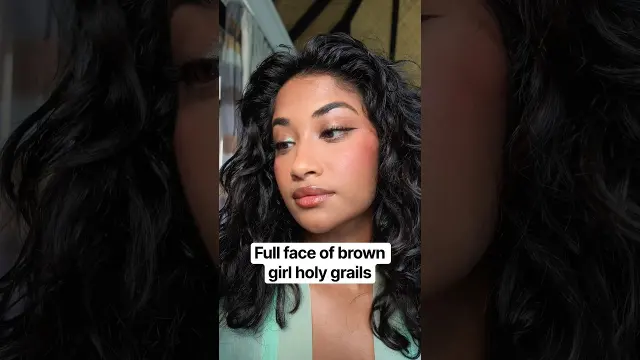
 Full Face Using Tried and True Makeup Favourites
#Makeup For Brown Skin
1 ideas
Full Face Using Tried and True Makeup Favourites
Get new #Makeup For Brown Skin ideas by email
Every Thursday: the week's best ideas, with the newest from #Makeup For Brown Skin.
Related tags
Makeup for Brown Skin: Shades, Undertones and Technique
Brown skin is not one shade but a wide spectrum, running from light golden tan through warm caramel and rich mahogany to deep espresso. Two people can sit at the same depth and still need different makeup, because what separates them is undertone: the subtle cast beneath the surface. Learning to read that cast is the single most useful skill you can develop, and it makes everything else easier.
Start With Undertone
Most undertones fall into a few broad families. Warm undertones lean golden, honey or yellow. Cool undertones lean pink or red. Neutral sits between the two. Olive undertones carry a greenish or greyish cast that can make a foundation look either too pink or too orange, and this is the group most often poorly served by ready-made shades. A quick way to check is to compare your face against a plain white cloth in daylight: what colour seems to rise out of your skin? Jewellery can offer a hint too, though it is a rough guide at best.
Finding a Foundation Match
Read more
Test shades along the jawline rather than on the back of your hand, and do it in natural daylight instead of shop lighting. Apply a thin stripe, blend the edges, and let it sit for a while before deciding. Many formulas darken slightly as they settle, so a match that looks perfect in the first minute may read too deep ten minutes later. If you sit between two shades, mixing them is often better than settling for one that is close but not right.
Your Face Is Not One Colour
Most faces are not uniform: the area around the eyes and mouth is frequently deeper, the forehead may differ from the cheeks, and the centre of the face is usually lighter. Matching only to the lightest part can leave the whole face looking ashy and flat. Matching to the majority tone, then using concealer and sheer layers to even out the rest, tends to look more natural.
Colour That Actually Shows
On deeper skin, pigment has to work harder. Blush in rich berry, brick, terracotta, coral or plum reads clearly, while very pale pinks can turn chalky or grey. Bronzer a shade or two deeper than your skin warms the face without muddying it. For highlighter, gold, copper, bronze and rose gold tend to flatter; icy silver-white can look ashen.
Eyeshadows in warm browns, coppers, bronzes, plums, deep greens and jewel tones bring out depth, while very pale or frosty shades can look dusty. For lips, wines, berries, brick reds and brown-toned nudes usually feel more harmonious than pale beiges. A good nude is simply your own lip colour, a step or two deeper.
Preparation and Layering
Well-hydrated skin holds makeup more evenly, so gentle cleansing and moisturising do more than any trick. Build base in thin layers rather than one heavy coat, and set only where you actually shine, since over-powdering deeper skin can dull its natural glow.
Habits Worth Keeping
- Swatch in daylight and let products settle before judging them.
- Keep notes or a photograph of shades that worked.
- Blend down the neck so the transition stays invisible.
- Trust your own eye over labels describing what a shade is "for".
The right makeup does not change your complexion. It works with it.
#Makeup For Brown Skin: frequently asked questions
How do I figure out my undertone before buying any makeup for brown skin?
Compare your bare face against a plain white cloth in daylight and notice which colour seems to rise out of your skin — golden or honey points to warm, pink or red to cool, and a greenish or greyish cast to olive. Jewellery can offer a rough hint as well, but treat it as a secondary clue rather than a verdict. Getting this right matters more than shade depth, because two people at the same depth can still need entirely different products.
What is the best way to test a foundation shade on brown skin?
Swatch along the jawline rather than the back of your hand, in natural daylight instead of shop lighting, then blend the edges and wait before deciding. Many formulas settle and deepen slightly, so a stripe that looks right immediately can read too dark later. If you fall between two shades, mixing them usually beats compromising on one.
Why does my foundation look ashy or flat even when the shade seems correct?
Faces are rarely one uniform colour — the area around the eyes and mouth tends to be deeper, the forehead may differ from the cheeks, and the centre of the face is usually lighter. Matching only to the lightest patch leaves the rest looking grey and dull. Match to the majority tone, then even out the remaining areas with concealer and sheer layers, and blend down the neck so the transition disappears.
Which blush, bronzer and highlighter colours actually show up on deeper skin?
Rich berry, brick, terracotta, coral and plum blushes read clearly, while very pale pinks can turn chalky or grey. A bronzer a shade or two deeper than your skin warms the face without muddying it, and gold, copper, bronze or rose gold highlighters flatter where icy silver-white can look ashen. The same logic applies to eyes and lips — warm browns, coppers, plums, deep greens, wines and brick reds feel more harmonious than pale frosty or beige tones.
How should I prepare my skin and layer makeup so it lasts evenly?
Gentle cleansing and thorough moisturising do more than any technique, because well-hydrated skin holds makeup more evenly. Build the base in thin layers instead of one heavy coat, and set powder only where you actually shine, since over-powdering dulls the natural glow of deeper skin. Blending each layer down the neck keeps the whole thing looking seamless.
What mistakes should I avoid when starting out with makeup for brown skin?
Judging shades under shop lighting, buying before the product has settled, and trusting a label that says what a shade is "for" rather than what it does on your face are the common ones. Matching to only the lightest part of the face, or skipping the neck, are the other easy slips. Keep a note or photo of shades that worked so you can repeat them.
Videos come from YouTube and posts from Instagram; titles and summaries are our own. All rights belong to their creators.