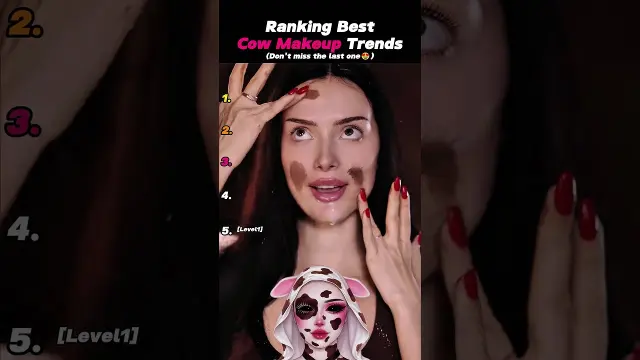
 Ranking the Best Looks From the Cow Makeup Trend
#Makeup Looks
3 ideas
Ranking the Best Looks From the Cow Makeup Trend
 New Makeup Transition Ideas Ranked for Beauty Inspiration
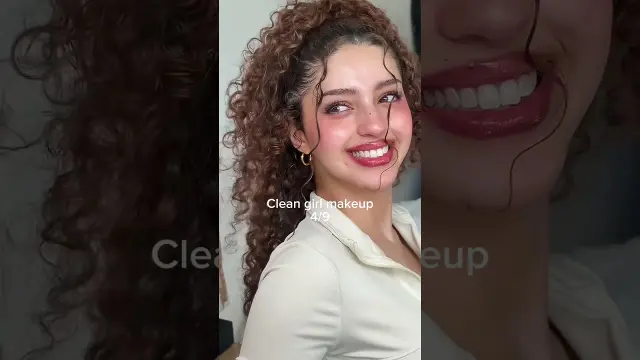 Two Different Eye Makeup Looks to Choose Between
Get new #Makeup Looks ideas by email
Every Thursday: the week's best ideas, with the newest from #Makeup Looks.
Related tags
Makeup Looks: Styles, Techniques and Ideas to Try
A makeup look is more than a single product or a single step. It is the whole picture you build on your face — base, eyes, cheeks and lips chosen to work together toward one effect, whether that effect is polished, dramatic, soft or almost invisible. The phrase is also a way of naming shared styles: when people talk about a smoky eye, a bare-faced look or a bold lip, they are using shorthand for a set of choices that many people recognise.
Where the idea comes from
People have decorated their faces for as long as there have been ceremonies to attend. Colour on the skin has served ritual, status, celebration and performance across many cultures, and the modern habit of matching a face to an occasion grows out of that long history. Photography and film gave makeup looks a new purpose: the face had to read clearly through a lens, and techniques for shaping features and controlling shine developed around that need. Today a look can spread through an image as easily as through a conversation, but the underlying craft is the same one people have practised for generations.
The main kinds of look
Read more
Most looks fall into a few broad families, and knowing them makes it easier to describe what you want.
- Natural or "no-makeup" looks, which aim to even out skin and define features without obvious colour.
- Classic looks, built on a neutral eye, a soft cheek and a lip that harmonises with the rest.
- Dramatic looks, where one feature — usually the eye or the lip — carries the focus and everything else steps back.
- Graphic and editorial looks, in which line, shape and contrast are the point rather than realism.
- Monochrome looks, using one colour family in different intensities across the face.
What beginners should know
Start with fewer products than you think you need. A well-prepped face, a light base, a defined brow and a touch of colour on cheek and lip will carry most everyday looks on their own. Apply in thin layers, because it is far easier to add than to take away, and build gradually where you want more intensity. Blending is the skill that matters most: small circular motions, a clean brush, and a little patience at the edges will do more for the result than an expensive extra product.
Work in good, even light, ideally near a window. Bathroom lighting flatters and hides at the same time, so check your face in daylight before you leave. Keep a few neutral shades that suit your colouring as your base palette, and let bolder colours be the experiments. Practising at home with no audience, and removing everything gently at the end of the day, is how technique becomes second nature.
Making a look your own
Copying a look exactly is a good way to learn and a poor way to finish. Faces differ in shape, colouring and taste, so treat any style as a starting point and adjust it until it suits you. The most convincing makeup is the kind you feel comfortable wearing.
#Makeup Looks: frequently asked questions
How do I start creating a makeup look if I am a beginner?
Begin with a simple base: prep the skin, even out the complexion lightly, define the brows, and add a small amount of colour to the cheeks and lips. Work in thin layers and blend carefully, because it is easier to build up a look than to fix one that has gone too far.
What products do I really need for a basic makeup look?
You do not need a full kit to create a polished look. A light base, something for the brows, a neutral shade for the eyes, and a lip and cheek colour that work well together are enough for many everyday styles.
Which makeup look should I choose for everyday wear?
For daily wear, natural, classic, or soft monochrome looks are usually the easiest to live with. These styles keep the face balanced and polished without making any one feature feel too heavy or dramatic.
How can I make a makeup look match a special occasion?
Think about the effect you want: soft and refined, bold and striking, or creative and editorial. For a more dramatic occasion, let one feature lead, such as a stronger eye or a bolder lip, while keeping the rest more restrained so the look feels intentional.
What are the most common mistakes when trying a new makeup look?
Using too much product too quickly is one of the most common mistakes, especially before the base is blended properly. Another is copying a look exactly without adjusting it to your own features, lighting, or colouring, which can make it feel less natural on you.
Videos come from YouTube and posts from Instagram; titles and summaries are our own. All rights belong to their creators.