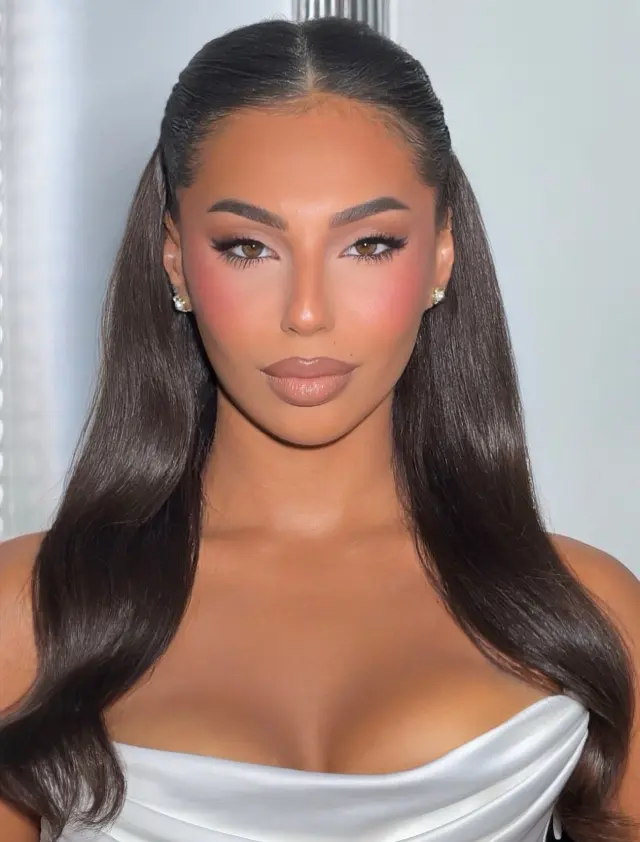
 Signature Glam Look Created in a One-Day Makeup Workshop
#Makeup Workshop
1 ideas
Signature Glam Look Created in a One-Day Makeup Workshop
Get new #Makeup Workshop ideas by email
Every Thursday: the week's best ideas, with the newest from #Makeup Workshop.
Related tags
Makeup Workshop: A Beginner's Guide to Learning to Apply Makeup
A makeup workshop is a hands-on class where people learn to apply, refine or experiment with makeup under guidance. Unlike a demonstration you simply watch, a workshop puts a brush in your hand: you work on your own face or a model's while someone experienced explains, corrects and adjusts what you do.
Where it comes from
Makeup teaching grew out of two traditions that eventually met. One is the practical apprenticeship of professional makeup artists, who have long passed on technique to assistants on set. The other is the informal knowledge shared between friends, in salons and behind cosmetics counters. The workshop format borrows from both: the structure of professional training and the relaxed, sociable feeling of learning among other people who are curious about the same thing.
What people use it for
Read more
The reasons vary widely. Some come to learn the basics of everyday makeup and stop guessing at what suits them. Some want a specific skill, such as a clean eyeliner, a natural brow or makeup that lasts through a long day. Others are preparing for a wedding, a photograph or a return to makeup after years away. Many simply want a few hours of focused, pleasant time with other people.
The main kinds
- Beginner workshops, which cover tools, skin preparation, base, and simple everyday looks.
- Technique sessions, which zoom in on one area such as eyes, contour and highlight, or lips.
- Occasion workshops, aimed at bridal, evening or photographic makeup.
- Workshops for mature skin, focusing on texture, hydration and lighter application.
- Professional or certification courses, longer and aimed at people who intend to work in the field.
- Private sessions, where the teaching is shaped around one person's face and preferences.
What beginners should know
Arrive with clean skin and, if you can, your own makeup bag. Nothing teaches faster than being shown how to use what you already own, and an experienced teacher can explain why a product you dislike performs the way it does. Bring a small notebook or take photographs of the steps, because a three-hour session can blur once you are home.
Ask questions freely. A good workshop is not a performance by the teacher; it is time set aside for your uncertainties. If something feels uncomfortable on your skin, say so rather than sitting through it.
Practical tips
Check whether the workshop is demonstration-based or practical, and whether materials are provided or you are expected to bring your own. Ask about the group size, since smaller groups mean more individual attention. Tell the teacher in advance what you most want to learn, so they can shape the session around it.
Finally, treat the workshop as a starting point rather than a transformation. The real learning happens afterwards, when you repeat the steps alone at home, at your own pace, in ordinary light.
#Makeup Workshop: frequently asked questions
I've never really done makeup properly — how do I start with a workshop?
Look for a beginner session that covers tools, skin preparation, base and a simple everyday look, since that is the foundation everything else builds on. Come with clean skin and, if possible, your own makeup bag so the teacher can work with what you actually have. Tell the teacher beforehand what confuses you most, and the session can be shaped around that instead of a generic routine.
What do I need to bring to a makeup workshop?
Check in advance whether materials are provided or you are expected to bring your own, because this varies a lot between workshops. If you bring your bag, you get the bonus of learning why a product you own behaves the way it does rather than only trying unfamiliar items. A small notebook or a few photos of the steps helps, since a long session becomes a blur once you are back home.
How do I choose between the different kinds of workshop?
Think first about what you want out of it: a beginner class for the basics, a technique session if one area such as eyes or brows is your sticking point, an occasion workshop if a wedding or photo is coming up. Mature skin, professional certification and private one-to-one formats exist for more specific needs. Also ask about group size and whether it is demonstration-based or genuinely hands-on, since those two things shape the experience more than the title does.
Which workshop suits someone returning to makeup after a long break?
A beginner or refresher-style practical session is usually the gentlest way back, because it rebuilds the routine without assuming you already know current habits. A private or small-group session can be a good fit if you would rather have the teaching shaped around your own face and preferences. Either way, arrive with clean skin and be honest about what feels unfamiliar.
What should I expect to get out of a single session?
Treat it as a starting point rather than a transformation — the point is to leave with steps you can repeat, not a one-off look. The real learning happens at home, when you go through the same steps alone in ordinary light at your own pace. Taking notes or photos during the session is what makes that repetition possible.
What mistakes do people make at makeup workshops?
The most common is sitting through something uncomfortable on the skin instead of speaking up — say so and the teacher will adjust. Another is treating the class as a performance to watch rather than time set aside for your own questions, so ask freely while someone experienced is there to correct you. Arriving without checking what to bring, or leaving without notes, are the small things that cost you most of the value.
Videos come from YouTube and posts from Instagram; titles and summaries are our own. All rights belong to their creators.