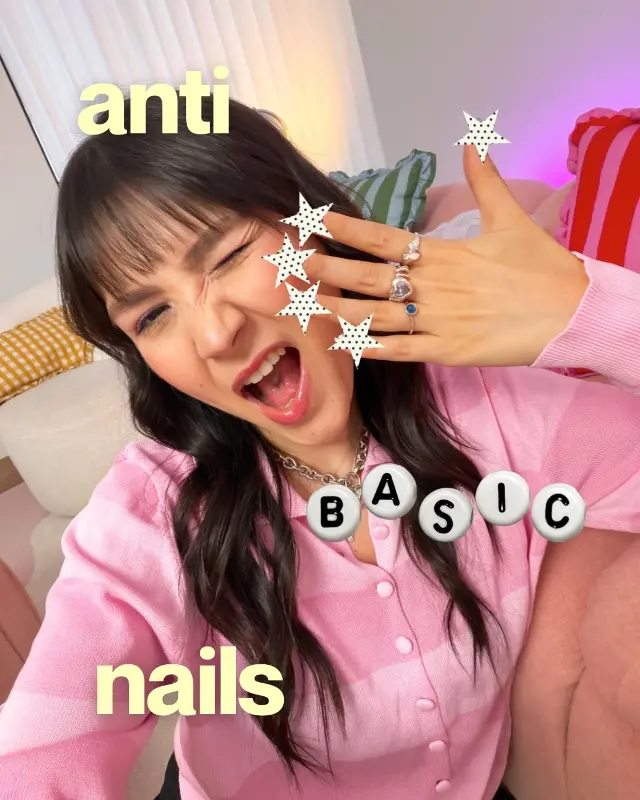
 Anti-Basic Nail Art Look With a Playful Hardware Twist
#Manicure Inspiration
1 ideas
Anti-Basic Nail Art Look With a Playful Hardware Twist
Get new #Manicure Inspiration ideas by email
Every Thursday: the week's best ideas, with the newest from #Manicure Inspiration.
Related tags
Manicure Inspiration: A Guide to Nails, Shapes and Styles
A manicure is the care and decoration of the hands and nails, and it is one of the oldest grooming rituals people share. The word itself points to the Latin for "hand," and versions of the practice appear across many cultures: tinting nails with plant dyes, shaping them with simple tools, treating the hands with oils and balms. What began as a marker of cleanliness and social standing has become something closer to a small daily art form — a way to signal mood, occasion or personal style without saying a word.
Shape comes first
Most manicures begin with the silhouette. Square nails have straight sides and a flat tip; squoval softens those corners; oval and almond lengthen the finger visually; round is the most forgiving on short nails; stiletto and coffin are dramatic shapes that usually need added length. The right shape depends on your natural nail bed and on how much maintenance you want, because sharp corners chip and long tips demand more attention.
Finishes and colour
Read more
The finish changes the whole character of a manicure. Glossy colour is the classic. Matte topcoats make even pale shades look modern. Sheer and milky polishes give a clean, understated effect that hides small imperfections. Metallic, chrome and glitter finishes catch light and suit short, tidy nails as much as long ones. French tips, once a single look, now vary endlessly in width, colour and curvature.
Techniques worth knowing
A classic manicure covers shaping, cuticle care, buffing and polish. A gel manicure uses a product cured under a lamp for a longer-lasting, high-shine result; it also needs careful removal so the nail plate is not damaged. Nail art ranges from a single accent line or a dot of colour to hand-painted detail, stamping, foils and decals. Some looks are built up over several thin layers; others are deliberately imperfect, using texture, negative space or an unexpected embellishment to break the expected pattern.
If you are starting out
Keep it simple. Clean, shaped nails with a single coat of a colour you love already look intentional. Work in thin layers rather than one thick one, let each dry properly, and keep a small brush and remover nearby for tidy edges. Practise on a spare hand or on a friend before attempting detailed designs, and choose one technique to learn well rather than five at once.
Hand care is half the manicure
The finish lasts better on healthy hands. File in one direction rather than sawing back and forth, push back cuticles gently instead of cutting them, and moisturise hands and nails regularly, especially after washing. Wear gloves for harsh cleaning tasks. If your nails are brittle, peeling or painful, or if the skin around them becomes irritated, it is worth asking a pharmacist or doctor rather than covering the problem with polish.
Good manicure inspiration is less about copying a perfect picture than about noticing what suits your hands, your routine and the way you actually use them.
#Manicure Inspiration: frequently asked questions
How do I start doing my own manicures at home?
Start with the basics: clean, shape and buff your nails, gently push back the cuticles, and apply a thin coat of a colour you already love. Working in thin layers and letting each one dry properly matters far more than fancy tools. Pick one technique to practise until it feels natural before adding another.
What do I actually need to give myself a manicure?
A file, a cuticle stick or pusher, a buffer, a base and top coat, and one or two polishes will take you a long way. Keep a small brush and remover nearby for cleaning up the edges. Add a hand moisturiser, since the finish sits better on cared-for hands.
How do I choose the right nail shape?
Look at your natural nail bed and how much upkeep you want. Round and squoval shapes are the most forgiving, oval and almond visually lengthen the finger, and square or coffin and stiletto styles suit people happy to maintain added length. Sharp corners chip more easily, so match the shape to your daily routine rather than to a single picture.
How should I care for a manicure so it lasts?
File in one direction instead of sawing back and forth, push cuticles back gently rather than cutting them, and moisturise hands and nails regularly, especially after washing. Wear gloves for harsh cleaning tasks. Gel finishes need patient, careful removal so the nail plate underneath stays intact.
Where can I find manicure ideas for a particular occasion?
Decide what the occasion calls for first, then let the finish set the tone: glossy colour for classic polish, matte for something modern, sheer or milky shades for understated elegance, and metallic or glitter for a bit of shine. A single accent nail or a fine line of colour is often enough to feel dressed up. French tips alone now come in endless widths, colours and curves.
What are the common mistakes beginners make?
The usual ones are applying one thick coat instead of several thin ones, rushing the drying time, and attempting intricate nail art before the basics feel comfortable. Cutting cuticles rather than pushing them back gently is another easy habit to fall into. Choose one look to learn well rather than trying everything at once.
Videos come from YouTube and posts from Instagram; titles and summaries are our own. All rights belong to their creators.