 Silent ASMR Makeup on a Mannequin With Frog Theme
#Mannequin Makeup
2 ideas
Silent ASMR Makeup on a Mannequin With Frog Theme
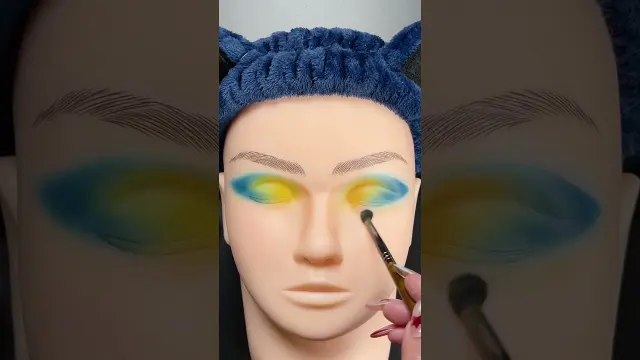 Sixty-Second Mannequin Makeup Tutorial With Soft Blending
Get new #Mannequin Makeup ideas by email
Every Thursday: the week's best ideas, with the newest from #Mannequin Makeup.
Related tags
Mannequin Makeup: A Guide to Practicing and Creating
A mannequin head is a blank face. No expression, no blink, no complaint about the brush near the eye. That emptiness is exactly why people keep coming back to it: it lets you try a look purely for its own sake, without the pressure of a person underneath.
Where it comes from
Mannequin heads have long served two masters. In shops they wear wigs and scarves, showing how a style falls without a customer sitting still for an hour. In beauty schools they were the first face a student learned on — cheap, patient and always available for another attempt. Somewhere between the display window and the classroom, people noticed that a painted head can also be a canvas, and #Mannequin Makeup grew from that overlap.
What people actually do with them
Read more
The results tend to fall into a few broad camps. There is the realistic approach, where the goal is a face that could pass for a photograph at a glance. There is the theatrical approach, where colour, glitter and exaggerated shapes take over. There is character work — inventing a fairy, a widow, a doll with a story. And there is the practice approach, where the point is simply to rehearse blending, symmetry or a tricky eyeliner shape before trying it on yourself.
Many creators film the process quietly, close to the microphone, so the sound of a brush on the surface becomes part of the appeal. Others speed it up into short tutorials. Both are really about the same pleasure: watching a face assemble itself out of nothing.
Working on a surface that is not skin
The material matters. A vinyl or plastic head does not absorb product the way skin does, so creams can sit on top and slide, while powders may cling unevenly or stain. Soft brushes and thin layers usually behave better than dense ones. Build colour gradually rather than laying it on thickly, and wipe back to the base before a big change instead of piling on more.
Beginners often find it helps to start with the brows and the eyes, which anchor the whole face, and to leave the contouring until the proportions feel right. Symmetry is harder than it looks on a fixed, unchanging head — stand back often.
A few practical notes
Keep the head clean between projects and store it away from direct sunlight, which can dull the surface over time. Products used on a mannequin are for the mannequin only; treat them as craft supplies rather than cosmetics and keep them separate from anything that touches your own skin. And if you are painting for hours, take breaks — the work rewards a fresh eye more than a long one.
#Mannequin Makeup: frequently asked questions
What do I need to start doing makeup on a mannequin head?
A mannequin head with a smooth vinyl or plastic surface, a stand or clamp to keep it steady, and a set of soft brushes are enough to begin. Use products you have set aside as craft supplies rather than borrowing from your own cosmetics, since they will not go back on skin. A cloth for wiping back to the base and somewhere out of direct sunlight to store the head round it out.
Which kind of mannequin head should I choose?
Look for one with a surface that feels smooth and slightly matte, because a very glossy finish lets creams slide and makes blending frustrating. Beyond that, the choice comes down to what you want from it: a plain realistic head suits portrait practice, while a stylised or cheap classroom-style head is fine for glitter, colour and character work. If you plan to film, pick one that sits steadily so it will not drift in frame.
How do I stop the makeup from sliding or staining on a mannequin head?
The surface does not absorb the way skin does, so creams tend to sit on top while powders can cling unevenly or leave stains. Work in thin layers with soft brushes and build colour gradually instead of laying it on thickly. When you want a big change, wipe back down to the bare base rather than painting over what is already there.
Where should a beginner start when painting a face?
Start with the brows and eyes, since they anchor the whole face and tell you early whether the proportions are reading correctly. Leave contouring and the rest of the face until those features feel right. Because the head never moves, symmetry is deceptively hard, so step back often to check rather than working close up the whole time.
How do I look after a mannequin head between projects?
Clean it off after each project so old product does not build up and dull the surface, and store it away from direct sunlight. Take breaks during long painting sessions, since a tired eye misses imbalances that a fresh one catches immediately. Keep the products you use on it separate from anything that touches your own skin.
What are common mistakes people make with mannequin makeup?
The most frequent one is applying product too heavily, which is hard to correct on a non-absorbent surface and quickly looks muddy. Another is working only up close, which hides symmetry problems that become obvious from a step back. Piling new layers over old ones instead of wiping back to the base also flattens the face and stiffens the blending.
Videos come from YouTube and posts from Instagram; titles and summaries are our own. All rights belong to their creators.