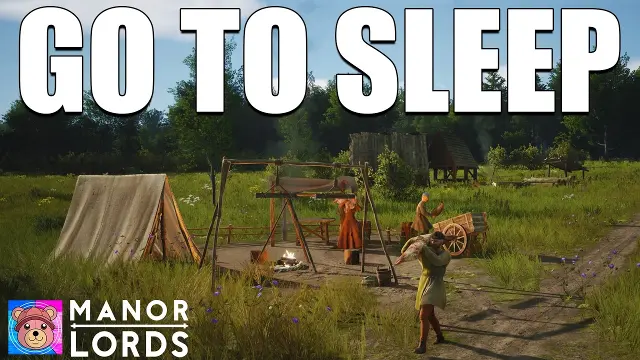
 Relaxing Manor Lords Village Building for Background Viewing
#Manor Lords
1 ideas
Relaxing Manor Lords Village Building for Background Viewing
Get new #Manor Lords ideas by email
Every Thursday: the week's best ideas, with the newest from #Manor Lords.
Related tags
Manor Lords Guide to Village Building and Strategy
What Manor Lords is
Manor Lords is a medieval strategy game that blends city building, resource management, and tactical control. You create a settlement from the ground up, assign work, plan housing and production, and help your people survive and grow. It appeals to players who enjoy slow, thoughtful building as much as careful strategy.
The game draws on medieval life for its atmosphere and practical systems. Instead of focusing only on combat or only on construction, it combines both. You are not just placing roads and houses; you are also thinking about food, labour, logistics, seasonal needs, and how one part of a settlement affects another.
How it plays
Read more
A typical play style begins with a small village and a few basic families. You decide where to place homes, storage, farms, workshops, and gathering areas. As the settlement expands, you balance several needs at once: shelter, food, fuel, materials, trade, and defence.
What makes the game engaging is the way everything is connected. A mill needs grain, a bakery needs flour, workers need time and housing, and roads or paths affect how smoothly goods move around. Good planning helps a settlement feel efficient and believable.
Main elements to understand
- Housing: Homes give people a place to live and often support population growth.
- Production chains: Many goods require several steps, such as gathering raw materials and processing them into finished items.
- Land use: Fields, pastures, forests, and built-up areas all compete for space.
- Labour: People can only do so much, so assigning workers carefully matters.
- Defence: If conflict appears, your town layout and preparation can help protect what you have built.
Building style and layout
A good village usually grows in a natural way rather than in perfect grids. In medieval settlements, roads often curve around terrain, and buildings cluster where work and access make sense. You can use this as inspiration when planning your own layout.
Beginners often do best with a simple structure:
- Keep homes near services and workplaces
- Leave room for storage and movement
- Group related buildings together
- Avoid spreading out too early
- Plan for future expansion before every open space is filled
It helps to think in districts: living areas, farming areas, craft areas, and support buildings. Clear organisation makes the settlement easier to manage.
Tips for beginners
Start small and build steadily. It is better to understand one production chain well than to try to do everything at once. Make sure basic needs are covered before chasing expansion. If people are walking too far for everyday tasks, your settlement may become inefficient even if it looks busy.
Also pay attention to balance. Too many workers in one area can leave another part of the village short-handed. A strong settlement usually comes from patient adjustment, not from rapid growth.
Why people enjoy it
Manor Lords is satisfying because it rewards calm planning. You can watch a village come to life, see work happen across fields and workshops, and shape a place that feels grounded and believable. Whether you enjoy careful optimisation or simply the pleasure of building a medieval town, it offers a thoughtful and immersive way to play.
#Manor Lords: frequently asked questions
How should a beginner start a new settlement in Manor Lords?
Begin with a small village and cover the basics before anything else: a few homes, a reliable food source, and the storage and gathering points that keep goods moving. Get one simple production chain working well rather than laying out a large town right away. Steady, modest growth is easier to manage than a fast expansion you cannot support.
What does a village actually need to survive and grow?
People need shelter, food, and fuel first, then materials for building and crafting, and eventually trade and defence as the settlement matures. Each of these depends on labour, so someone has to be free to do the work. If one need is neglected, growth stalls even when the town looks busy.
Is it better to build in a neat grid or let the village grow naturally?
A natural, slightly irregular layout usually looks and works better, with roads following the terrain and buildings clustering near the work they support. Keep homes close to services and workplaces, leave room for storage and movement, and group related buildings together. That said, thinking in clear districts for living, farming, crafting and support makes a settlement far easier to manage.
How do I stop my production chains from breaking down?
Understand one chain fully before adding another: raw materials have to be gathered, processed, and then delivered where they are needed. Watch where goods pile up or where workers spend too long walking, since distance quietly eats into efficiency. Adjusting worker assignments patiently solves most problems.
What are the most common beginner mistakes?
Spreading out too early and filling every open space before planning for expansion are the usual ones. Putting too many workers in one activity also leaves other parts of the village short-handed. Cover basic needs first, leave room to grow, and correct imbalances gradually instead of rebuilding everything.
Is Manor Lords a good game for calm, relaxing play?
Yes, many players enjoy it as a slow, thoughtful building experience rather than a rush toward conflict. Watching a village come to life across fields and workshops is rewarding on its own. It suits anyone who likes patient planning and the pleasure of shaping a believable medieval town.
Videos come from YouTube and posts from Instagram; titles and summaries are our own. All rights belong to their creators.