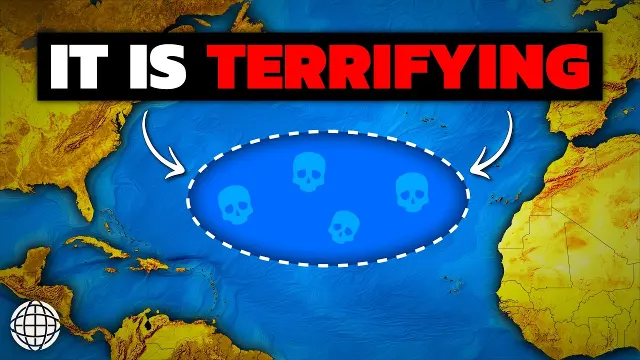
 Inside The Bizarre Sea With No Land
#Marine
1 ideas
Inside The Bizarre Sea With No Land
Get new #Marine ideas by email
Every Thursday: the week's best ideas, with the newest from #Marine.
Related tags
Marine World and Coastal Inspiration
Marine refers to anything connected with the sea. The word is used for ocean life, coastal landscapes, sailing culture, and the visual language inspired by water, weather, shells, ropes, boats, and harbors. It can describe a natural environment, a lifestyle, or an aesthetic rooted in the coast.
What marine means
At its core, marine is about the sea and everything shaped by it. That includes tides, waves, beaches, reefs, sea creatures, fishing traditions, and the places where land meets water. In everyday language, it often brings to mind calm blues, salty air, weathered textures, and the practical beauty of life near the coast.
Because the ocean has influenced travel, trade, and settlement for centuries, marine themes appear in art, design, clothing, and interiors across many cultures. They can feel clean and simple, or rich and layered, depending on how they are interpreted.
Read more
Common marine styles
Marine style is broad, but a few directions come up often:
- Nautical style uses classic sea references such as stripes, anchors, rope details, and crisp blue-and-white color combinations.
- Coastal style is softer and more relaxed, drawing on sand, driftwood, linen, shells, and natural light.
- Maritime style leans toward seafaring history, with practical details, weathered finishes, and references to boats and harbors.
- Marine life imagery focuses on fish, coral, seaweed, birds, and underwater scenes.
These styles can be decorative, playful, elegant, or minimal. You do not need to use obvious symbols for something to feel marine; a palette of sea-glass colors, natural textures, and fluid shapes can be enough.
Materials, colors, and textures
Marine-inspired work often uses colors found near the water: deep navy, sea green, pale blue, white, sand, and gray. Materials may suggest the shoreline or the deck of a boat, such as wood, cotton, linen, wicker, glass, or metal with a worn finish.
Textures matter a lot in marine design. Smooth surfaces can evoke water, while rough or weathered finishes suggest salt, wind, and sun. Curved lines often feel more natural than hard edges, because they echo waves and currents.
Practical tips for beginners
If you want to work with a marine theme, start with one clear idea. You might focus on the ocean itself, a seaside mood, or a more traditional nautical look. Too many symbols at once can make the result feel busy.
A simple approach is usually strongest:
- Choose a restrained color palette.
- Mix one or two natural textures with clean surfaces.
- Use sea-inspired details sparingly so they stand out.
- Let light, space, and softness do some of the work.
If you are styling a room, building a mood board, or planning a creative project, think about how the sea feels as well as how it looks. Marine inspiration is not only about shells and stripes; it is also about openness, movement, freshness, and calm.
Why marine themes endure
People return to marine imagery because the sea is both familiar and mysterious. It can feel peaceful, powerful, and endlessly changing. That makes it a lasting source of inspiration in design, travel, and everyday life. Whether you are drawn to a quiet coastal mood or a more classic seafaring look, marine style offers plenty of room for interpretation.
Videos come from YouTube and posts from Instagram; titles and summaries are our own. All rights belong to their creators.