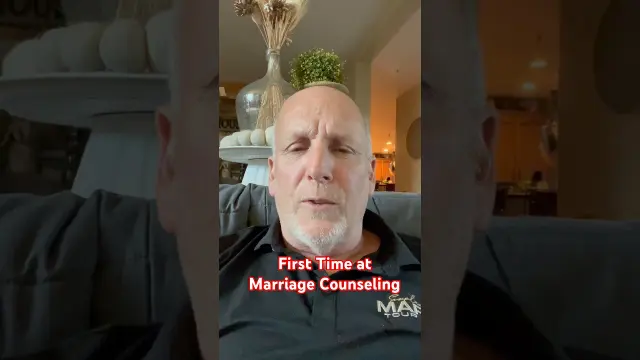
 Reflections on Attending Marriage Counseling for the First Time
#Marriage Counseling
1 ideas
Reflections on Attending Marriage Counseling for the First Time
Get new #Marriage Counseling ideas by email
Every Thursday: the week's best ideas, with the newest from #Marriage Counseling.
Related tags
Marriage Counseling Guide
What marriage counseling is
Marriage counseling is a form of talk therapy for couples who want to improve their relationship. It gives both partners a structured place to discuss concerns, build understanding, and work through recurring problems with the help of a trained professional. The aim is not to decide who is right, but to help you communicate more clearly and find healthier ways to relate to each other.
Couples may seek counseling at many different stages of marriage. Some go when conflict has become hard to manage, while others want support during a major life change, such as moving, becoming parents, or adjusting to new routines. You do not have to be in crisis to benefit from it.
What it can help with
Read more
Marriage counseling is often used for problems such as:
- poor communication
- repeated arguments
- feeling distant or misunderstood
- differences in parenting or household roles
- loss of trust
- stress related to family, work, or money
- changes in intimacy or emotional closeness
A counselor can help you slow down difficult conversations, notice patterns, and practice new ways of responding to each other. For many couples, the process is as much about understanding the relationship as it is about solving one specific issue.
Common approaches
There is no single way to do marriage counseling. Some counselors focus on communication skills and conflict resolution. Others pay more attention to emotions, attachment, or long-standing patterns learned earlier in life. In practice, most forms include a mix of listening, reflection, and guided conversation.
Some sessions involve both partners together. In some cases, a counselor may also meet with each person separately for part of the work, depending on the situation and their professional style.
What to expect
A first session usually includes questions about your relationship history, current concerns, and goals. The counselor may ask about how you handle conflict, what feels difficult, and what you each hope will change. Over time, you may be invited to notice triggers, try new communication habits, or complete simple exercises between sessions.
It helps to come prepared to speak honestly, but respectfully. Try to focus on specific behaviors and situations rather than labels or blame. Listening carefully to your partner, even when you disagree, is often one of the most valuable parts of the process.
Practical tips for getting started
- Choose a counselor who works with couples and whose approach feels comfortable to both of you.
- Be open about what you want help with, even if it feels uncomfortable.
- Set realistic goals. Counseling usually works best when you are willing to make changes over time.
- Treat the sessions as a place for curiosity, not just problem-solving.
- If emotions run high, take pauses and return to the conversation when you are calmer.
Marriage counseling can be useful even when the relationship is already strong. It can help you learn better habits, deepen trust, and create a more thoughtful way of being together.
Videos come from YouTube and posts from Instagram; titles and summaries are our own. All rights belong to their creators.