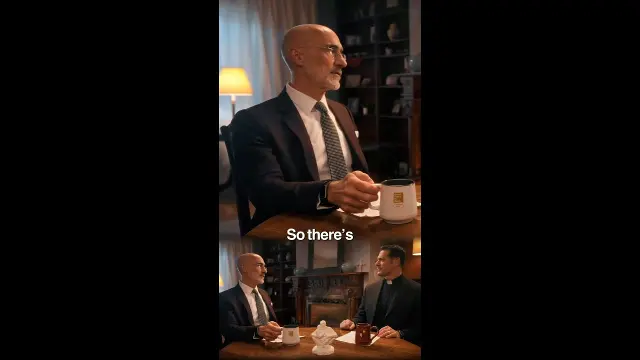
 Simple Habits to Rebuild Emotional Connection in Marriage
#Marriage
3 ideas
Simple Habits to Rebuild Emotional Connection in Marriage
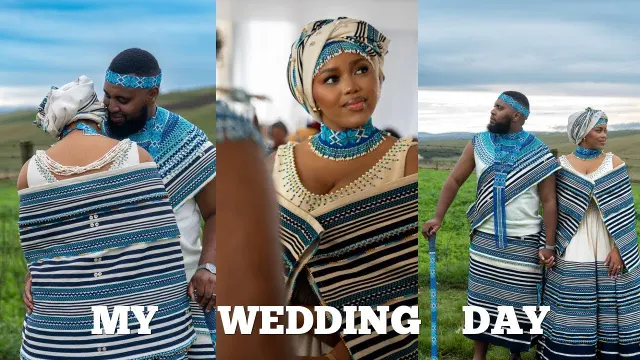 A Look Inside a Traditional Xhosa Wedding Celebration
 Comparing Different Love Languages in a Marriage
Get new #Marriage ideas by email
Every Thursday: the week's best ideas, with the newest from #Marriage.
Related tags
Marriage: Traditions, Customs and Everyday Partnership
Marriage is a union that societies recognise and give shape to. It exists in some form almost everywhere, and it is rarely just one thing at once: a personal bond, an agreement between families, a legal status, and for many people a religious commitment. Because it carries all of these meanings together, it looks different from one place to another and has changed considerably over time.
What Marriage Is
At its core, marriage is a publicly acknowledged partnership, usually carrying obligations and protections: shared property, inheritance, the care of children, the right to make decisions on a spouse's behalf. The legal side of marriage is generally separate from the religious or customary side, and in most countries a couple may choose a civil ceremony, a religious one, or both.
Societies differ widely on who may marry whom, at what age, and how many spouses are permitted. Monogamy is the most common arrangement and the only one recognised by law in many places, while polygamous marriages exist in some cultures and are regulated differently. Divorce, once rare or forbidden, is now legally available in most of the world.
Read more
The emotional expectation placed on marriage has also shifted. The idea that a marriage should above all be a source of companionship and personal happiness is a fairly recent emphasis in many societies; earlier generations often treated it primarily as an economic and family alliance. Both views still coexist.
Ways People Marry
- Civil ceremonies, often short and held at a registry office, focused on legal registration.
- Religious ceremonies, which vary enormously and usually include vows, blessings and witnesses.
- Customary or traditional marriages, governed by community rules and family negotiation.
Within these, couples meet in many ways. Arranged introductions, sometimes with the couple's consent at the centre, remain common in parts of the world, and many marriages combine family involvement with a couple's own choice.
Wedding Customs
Weddings tend to carry a culture's sense of the sacred and the festive at once: the exchange of vows, rings or gifts, processions, shared meals, blessings from elders, special garments, music and dancing. Exchanges between families, whether gifts, dowry or bride wealth, appear in many traditions as a way of marking the alliance rather than simply a transaction. Couples from different backgrounds often weave two sets of customs into one celebration, keeping the elements that matter most to each family.
The Everyday Work
A wedding is a day; a marriage is an accumulation of ordinary ones. Most of what sustains it is unglamorous: how two people speak to each other when tired, how they handle money, how they negotiate with in-laws, and whether they keep small rituals of attention alive.
- Talk about money openly and early, including debts, saving habits and how shared costs will work.
- Discuss expectations before they become disappointments: where you will live, how holidays are spent, how children would be raised.
- Notice how your partner gives and receives affection, and try to offer care in the form they recognise, not only your own.
- Make room for both togetherness and separate interests, friendships and quiet.
- Treat disagreement as something to understand rather than win.
- Ask for help early if conversations keep going in circles; couples counselling is ordinary maintenance, not a last resort.
Marriage is not a finished state but a long practice of choosing the same person repeatedly, in changing circumstances. What it asks for is patience, honesty and a willingness to keep learning someone who does not stay entirely the same.
#Marriage: frequently asked questions
How do people usually begin a marriage in a meaningful way?
People often begin marriage with a ceremony that reflects their values, whether civil, religious, or traditional. What matters most is that both partners understand the commitment and feel the celebration includes the families and customs that are important to them.
What should couples talk about before getting married?
It helps to discuss everyday expectations before the wedding so surprises do not build into conflict later. Topics like living arrangements, money habits, family involvement, holidays, and children can reveal whether you are working from the same picture of married life.
Which type of marriage ceremony should a couple choose?
The best choice depends on what the couple wants marriage to mean in their lives and community. Some prefer a legal civil ceremony, some want a religious blessing, and others choose a customary celebration that brings together family traditions and personal values.
How can a marriage stay strong after the wedding day?
A strong marriage usually grows from small, repeated habits rather than grand gestures. Honest conversation, attention to each other's needs, space for individual interests, and a willingness to work through disagreement all help keep the bond steady.
What are some common mistakes people make in marriage?
One common mistake is assuming a spouse will automatically know what you need, instead of saying it clearly. Another is treating disagreement like a contest rather than a problem to understand, or neglecting small acts of care once daily life gets busy.
Videos come from YouTube and posts from Instagram; titles and summaries are our own. All rights belong to their creators.