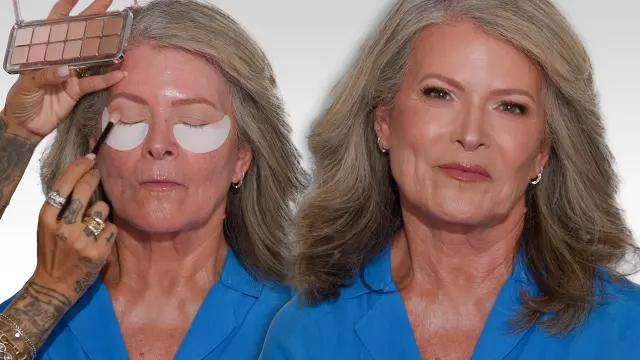
 Step by Step Professional Makeup Guide for Mature Skin
#Mature Skin Makeup
1 ideas
Step by Step Professional Makeup Guide for Mature Skin
Get new #Mature Skin Makeup ideas by email
Every Thursday: the week's best ideas, with the newest from #Mature Skin Makeup.
Related tags
Mature Skin Makeup: A Practical Evergreen Guide
Makeup on mature skin is less about covering up and more about working with what skin does over time. As the years pass, skin tends to thin, hold less moisture, and show finer lines, while oil production often slows and tone becomes less even. None of that is a problem to be fixed. It simply changes which textures, tools and habits serve you best. The goal is skin that looks like skin, only rested and comfortable.
Start with what sits underneath
Most of the difference between makeup that lasts and makeup that settles into lines is made before any colour goes on. Cleanse gently, then give skin a few minutes of moisture. A hydrating layer helps foundation glide rather than catch. If skin feels tight anywhere, add a little more in that area rather than applying a heavier foundation over it. Give skincare a moment to absorb before the next step; slipping foundation onto damp skin is a common reason it separates by midday.
Choose texture before coverage
Read more
Full coverage is not automatically more flattering. Rich, matte formulas can look heavy on skin that is drier or more textured, while very watery ones can disappear quickly. Many people find a light-to-medium liquid or a cream formula easiest: it evens tone while letting skin show through, and it moves with expression instead of resisting it. Sheer layers built up only where you want them usually look fresher than one thick application everywhere.
Apply with fingers or a damp sponge for a softer finish, and press rather than sweep. Around the eyes, use as little product as possible; concealer placed only at the inner corner and any darkness below tends to crease far less than a full sweep.
Add light where you want it
As skin loses some of its natural glow, light becomes a useful tool. A little luminising product on the cheekbones and brow bone lifts the face without glitter. Keep shimmer fine and place it high, away from areas where texture shows. Blush in a soft, warm tone applied a little higher than the apples of the cheeks reads as healthy rather than drawn-on.
Eyes and brows
Brows frame everything. A soft powder or a light pencil used in short strokes, following the natural shape, does more than a hard outline. On the lids, cream shadows in muted tones are forgiving and easy to blend with a fingertip. Curl lashes before mascara, and consider a brown-black formula if pure black feels severe. Waterproof mascara holds a curl but can be drying, so a gentle removal routine matters.
Lips and finishing
Lips thin and lose definition gradually, so a slightly creamy lipstick or tinted balm, applied with a brush and then pressed in with a fingertip, softens edges naturally. A touch of balm underneath prevents flaking. Skip heavy powder unless you are genuinely oily; a light dusting only where shine appears keeps the finish alive.
Finally, keep tools clean and replace mascara regularly. Good makeup on mature skin is mostly patience, good light, and a light hand.
#Mature Skin Makeup: frequently asked questions
How do I start a makeup routine for mature skin?
Begin with skin preparation rather than colour: cleanse gently, then let a hydrating layer settle in for a moment so foundation glides instead of catching. If one area feels tight, add more moisture there instead of reaching for heavier coverage. Once skin feels comfortable, apply light layers and build only where you want them.
What products do I actually need for mature skin makeup?
A light-to-medium liquid or cream foundation, a concealer used sparingly at the inner corner and under the eye, a fine luminising product, a soft warm blush, a cream shadow, a brow powder or light pencil, mascara and a creamy lipstick or tinted balm will carry you most of the way. Tools matter as much as products, so a damp sponge and clean brushes make a real difference to how everything sits. You do not need a large collection, just textures that move with your skin.
Should I choose full coverage or something sheer?
Coverage is not the same as flattery, and rich matte formulas can look heavy on drier or more textured skin while very watery ones tend to vanish. Many people find a light-to-medium liquid or cream easiest, because it evens tone while still letting skin show through. Sheer layers pressed on where you need them usually look fresher than one thick application everywhere.
How do I keep makeup from settling into lines and creasing?
Most of the difference is made before colour goes on, so let skincare absorb fully rather than applying foundation onto damp skin, which is a common cause of midday separation. Press products in with fingers or a damp sponge instead of sweeping, and use as little as possible around the eyes. Skip heavy powder unless you are genuinely oily, dusting only where shine appears.
How do I keep makeup looking fresh for a special occasion?
Work in thin layers so expression lines stay comfortable, and place a little fine luminising product high on the cheekbones and brow bone to lift the face without glitter. A soft warm blush set slightly higher than the apples of the cheeks reads healthy rather than drawn-on, and a creamy lip colour pressed in with a fingertip softens the edges. Carry a tinted balm and blot rather than adding more powder through the day.
What are the common mistakes to avoid with mature skin makeup?
Over-covering is the big one, along with applying foundation before skin is hydrated and using hard outlines on brows or heavy matte textures that resist movement. Waterproof mascara holds a curl but can be drying, so it is worth having a gentle removal routine. Finally, replace mascara regularly and keep brushes clean, since a light hand and good tools do more than extra product.
Videos come from YouTube and posts from Instagram; titles and summaries are our own. All rights belong to their creators.