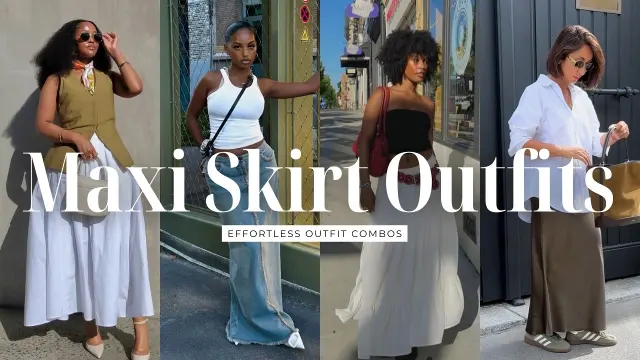
 Chic Everyday Maxi Skirt Outfit Ideas for Spring and Summer
#Maxi Skirt
2 ideas
Chic Everyday Maxi Skirt Outfit Ideas for Spring and Summer
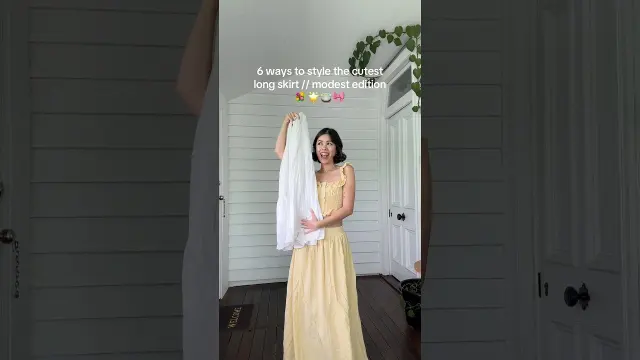 Six Modest Ways to Style a Long White Maxi Skirt
Get new #Maxi Skirt ideas by email
Every Thursday: the week's best ideas, with the newest from #Maxi Skirt.
Related tags
Maxi Skirt: A Complete Guide to the Long Skirt
A maxi skirt is a skirt that falls somewhere between the ankle and the floor. Long skirts have been worn in cultures around the world for centuries, from draped garments in the ancient Mediterranean to the full-length skirts of the Victorian era, and they return to everyday wardrobes whenever comfort and coverage are valued over brevity. The modern maxi skirt took its familiar shape in the late 1960s, and it has stayed in circulation ever since because it suits almost any climate, occasion or body shape.
Why the length works
The appeal of a long skirt is that it moves with you rather than restricting you. It offers sun protection and warmth in equal measure, covers the legs without feeling formal, and reads as relaxed even when the fabric is refined. Because the hem is far from the waist, the silhouette elongates rather than cuts the body, which is why the same garment can look breezy on a beach and elegant at a dinner table.
The main styles
Read more
Maxi skirts vary more in cut than in any other detail, and knowing the difference helps you choose one you will actually wear.
- A-line: gently widening from waist to hem, the most forgiving and universally wearable shape.
- Straight or column: falls close to the body without clinging; best in fabrics with a little weight.
- Tiered: constructed from horizontal panels, giving volume and a soft, romantic line.
- Pleated: knife pleats or accordion pleats that swing and hold their shape well.
- Wrap and button-front: adjustable at the waist, with a slit or opening that allows an easy stride.
- Bias-cut: cut on the diagonal so the fabric drapes and skims rather than hangs.
Fabrics and seasons
Fabric decides how a long skirt behaves. Lightweight cotton, linen and viscose are cool and casual, ideal for hot weather. Jersey drapes softly and travels well. Denim and twill hold a structured shape and work in cooler months. Chiffon and satin give movement and a dressier finish, while wool blends and corduroy carry a maxi skirt into winter. A lining matters in thin fabrics: it prevents transparency and helps the skirt fall cleanly.
What beginners should know
Length is the first thing to get right. A hem that grazes the floor will drag and fray, so aim for the top of the foot or just above the ankle unless you plan to wear heels. Check the stride: sit, walk and climb stairs before deciding, and look for a slit or a slightly flared cut if the skirt feels tight across the legs. Waistbands should sit where you are comfortable bending and sitting, not merely where they look best standing still.
Practical tips
Balance volume with proportion: a full or tiered skirt sits naturally with a fitted top, while a narrow column pairs well with something looser above. Defining the waist, with a tucked hem, a belt or a cropped layer, keeps a long skirt from swamping the figure. Petite wearers often find that a higher waistline and a single colour from top to hem add length.
Care matters more with long skirts because hems take the wear. Shake out and hang pleated and bias-cut pieces rather than folding them, hem them to your own height, and keep an eye on the back edge where it meets the ground. With a little attention to length and fabric, a maxi skirt becomes one of the most adaptable things in a wardrobe.
#Maxi Skirt: frequently asked questions
How do I choose the right length for a maxi skirt?
Start by deciding where you want the hem to sit, since a skirt that grazes the floor will drag and fray over time. Aim for just above the ankle or the top of the foot, and try it on with the shoes you actually plan to wear. Before committing, sit, walk and take a few stairs in it so you can tell whether the length allows a comfortable stride.
Which maxi skirt shape is easiest to wear?
An A-line cut that widens gently from the waist to the hem is the most forgiving and the safest starting point. If you prefer a narrower line, a straight or column shape works well in a fabric with a little weight so it falls cleanly instead of clinging. Tiered, pleated, wrap and bias-cut styles are all worth trying once you know what feels natural on you.
What fabric should I pick for different seasons?
Lightweight cotton, linen and viscose stay cool in hot weather, while denim, twill and corduroy hold a structured shape for colder months. Chiffon and satin add movement and a dressier finish, and wool blends carry the same skirt through winter. In thin fabrics, check that the skirt is lined so it is not transparent and hangs smoothly.
How do I style a maxi skirt without looking swamped?
The usual fix is proportion: pair a full or tiered skirt with a fitted top, and a narrow column skirt with something looser above. Marking the waist with a tucked-in layer, a belt or a cropped piece keeps the long line from swallowing your shape. Wearing one colour from top to hem and choosing a higher waistline helps if you are petite.
What are common mistakes with a long skirt?
Buying for how it looks while standing in a fitting room is the most frequent one, since tightness across the legs only shows when you move. Skipping the lining in light fabrics, choosing a hem that hits the ground, and ignoring how the back edge meets the floor all shorten the skirt's life. Petite wearers also often go for a low waistline when a higher one would serve them better.
How should I care for a maxi skirt so it lasts?
Hems take the most wear on a long skirt, so check the back edge regularly and hem it to your own height with the shoes you wear most. Pleated and bias-cut pieces keep their line better when shaken out and hung rather than folded. A quick look at the hem after each wear catches small repairs before they become visible ones.
Videos come from YouTube and posts from Instagram; titles and summaries are our own. All rights belong to their creators.