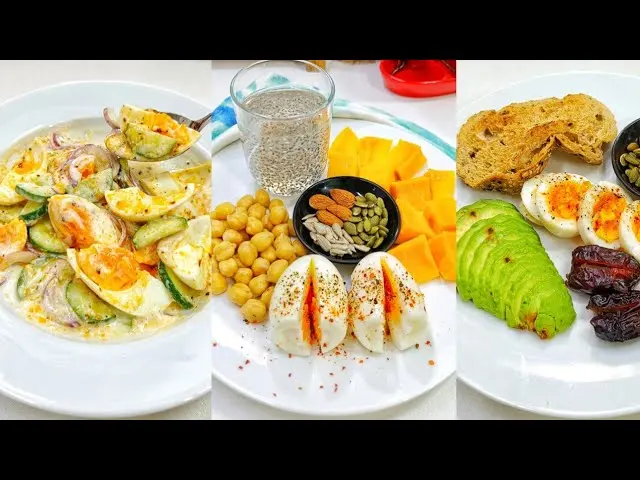
 Twelve Healthy and Simple High-Protein Breakfast Ideas
#Meal Inspiration
1 ideas
Twelve Healthy and Simple High-Protein Breakfast Ideas
Get new #Meal Inspiration ideas by email
Every Thursday: the week's best ideas, with the newest from #Meal Inspiration.
Related tags
Meal Inspiration for Everyday Cooking
Meal inspiration is simply the spark that helps you decide what to cook. It can come from a single ingredient, a season, a tradition, or a meal you have enjoyed before and want to make your own. For many people, the hardest part of cooking is not the cooking itself, but choosing what to make. A good idea can remove that pressure and turn mealtime into something easier and more enjoyable.
What meal inspiration means
At its best, meal inspiration is not about following strict rules. It is about noticing combinations that work: a grain with vegetables, a protein with a salad, soup with bread, pasta with a simple sauce, or fruit with yogurt for a lighter meal. Inspiration can also come from different cuisines, family recipes, travel, or the ingredients already in your kitchen.
Many meals around the world follow the same basic structure: something filling, something fresh, and something flavorful. Once you understand that pattern, you can create new meals without needing a full recipe every time.
Read more
Common sources of inspiration
You can find meal ideas in many places:
- Seasonal produce, which often suggests the simplest dishes
- Leftovers, which can become wraps, bowls, soups, or frittatas
- Traditional home cooking, which often relies on familiar and practical combinations
- Different cuisines, which can introduce new spices, sauces, and ways of assembling food
- Your own routine, especially meals that are easy to repeat and adapt
A helpful approach is to think in categories rather than exact recipes. For example, breakfast can be warm or cold, sweet or savory, quick or slow. Lunch can be a salad, sandwich, soup, grain bowl, or pasta. Dinner can be a one-pan meal, a hearty stew, or something simple with a side dish.
How to build a good meal
If you want meals that feel complete, start with a base, then add layers:
- A base such as rice, bread, potatoes, pasta, or greens
- A main element such as beans, eggs, fish, meat, tofu, or legumes
- Vegetables or fruit for freshness, color, and texture
- A sauce, dressing, herb, or spice to bring it together
This simple structure gives you flexibility. You can use the same base and change the flavor with different seasonings or toppings.
Tips for beginners
If you are just starting to cook more often, keep things simple. Choose meals with a few ingredients you already know how to handle. Learn a handful of basic methods such as roasting, boiling, sautéing, and assembling cold dishes. These skills can be used again and again.
It also helps to keep a few staple ingredients on hand, so you can build a meal without much planning. Save ideas that suit your taste and lifestyle, but do not feel you need to cook something new every day. Repetition is often what makes cooking easier.
Making inspiration practical
Meal inspiration becomes most useful when it fits real life. The best ideas are the ones you can adapt to what you have, how much time you have, and who you are cooking for. Over time, you may notice your own favorite combinations and return to them often. That is part of building a calm, confident cooking routine.
Videos come from YouTube and posts from Instagram; titles and summaries are our own. All rights belong to their creators.