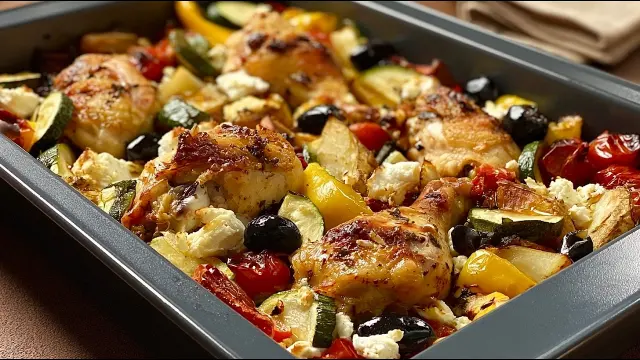
 One Pan Mediterranean Chicken with Feta and Olives
#Mediterranean Food
1 ideas
One Pan Mediterranean Chicken with Feta and Olives
Get new #Mediterranean Food ideas by email
Every Thursday: the week's best ideas, with the newest from #Mediterranean Food.
Related tags
Mediterranean Food: Fresh, Simple, and Flavorful
What Mediterranean food means
Mediterranean food is the cooking of the countries that border the Mediterranean Sea, including parts of southern Europe, North Africa, and the Middle East. It is not one single cuisine, but a family of regional food traditions that share a love of fresh ingredients, simple preparation, and balanced meals.
At its heart, Mediterranean cooking is about making the most of what is local and seasonal. You will often see vegetables, beans, grains, olive oil, herbs, fish, yogurt, cheese, nuts, citrus, tomatoes, garlic, and olives. Meals are usually built around flavor rather than heavy sauces, with ingredients chosen to complement each other naturally.
Common ingredients and flavors
Read more
If you are new to Mediterranean food, it helps to start with a few core ingredients. Olive oil is one of the most characteristic fats used for cooking and dressing. Fresh herbs such as parsley, oregano, mint, dill, and basil add brightness. Lemon, garlic, onions, and tomatoes bring freshness and depth.
You will also find plenty of:
- Beans and lentils
- Rice, couscous, bulgur, and other grains
- Leafy greens and seasonal vegetables
- Fish and seafood
- Chicken and lamb in some regional dishes
- Yogurt, feta, halloumi, and other cheeses
- Almonds, walnuts, sesame, and other nuts or seeds
The flavor profile is usually vivid but not complicated: salty, tangy, herbal, citrusy, and savory.
Regional styles and traditions
Because the Mediterranean is a large and diverse region, the food varies widely from place to place. In some areas, bread and olive oil are daily staples. In others, rice dishes, stuffed vegetables, grilled meats, or seafood play a bigger role. Some traditions lean more heavily on tomato-based stews, while others use yogurt, spices, and fresh herbs more often.
You may notice that many dishes are meant to be shared. Meze, tapas, small plates, and family-style meals are all part of the broader Mediterranean approach to eating: relaxed, social, and centered on variety.
Basic techniques to know
Mediterranean cooking is often straightforward. Common methods include grilling, roasting, braising, sautéing, simmering, and baking. Vegetables are often cooked until tender but still full of flavor. Fish may be simply grilled with olive oil and lemon. Beans and grains are often seasoned well so they taste satisfying on their own.
For beginners, a few practical habits make a big difference:
- Start with good seasonal produce
- Use olive oil generously, but not carelessly
- Season simply with salt, lemon, garlic, and herbs
- Do not overcook vegetables or seafood
- Balance rich ingredients with something fresh and acidic
How to enjoy Mediterranean food
You do not need to cook elaborate dishes to enjoy Mediterranean flavors. A meal can be as simple as a grain bowl with vegetables, beans, herbs, and a dressing of olive oil and lemon. A salad with tomatoes, cucumber, olives, and cheese can be a complete lunch. Roasted vegetables, hummus, grilled fish, and flatbread are also easy ways to build a Mediterranean-style table.
If you are cooking at home, think in layers: a base such as rice, bread, or greens; a protein or bean; vegetables; something salty or creamy; and a bright finish from lemon, herbs, or vinegar.
A gentle way to begin
The best way to get familiar with Mediterranean food is to keep it simple. Choose a few ingredients you enjoy, cook them well, and let the natural flavors stand out. Over time, you will learn how different regions use the same staples in their own way. That is part of the appeal: familiar ingredients, endless variety, and food that feels both comforting and fresh.
Videos come from YouTube and posts from Instagram; titles and summaries are our own. All rights belong to their creators.