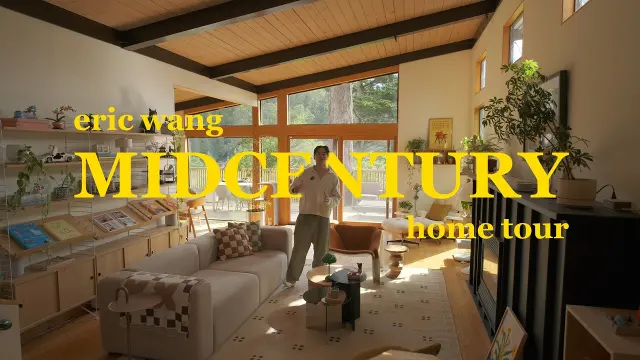
 Tour of a midcentury rental home with cozy decor
#Midcentury Decor
1 ideas
Tour of a midcentury rental home with cozy decor
Get new #Midcentury Decor ideas by email
Every Thursday: the week's best ideas, with the newest from #Midcentury Decor.
Related tags
Midcentury Decor: A Guide to Timeless Modern Style
Midcentury decor is a style of interior design that grew out of the modernist movement of the mid-twentieth century. It draws on furniture and architecture from roughly the 1940s through the 1960s, a period when designers were rethinking how a home could look and feel. The result was a style that prized clean lines, honest materials and a sense of lightness, and it has never really left the picture since.
Where it comes from
The look emerged from post-war optimism and new manufacturing methods. Designers experimented with bent plywood, moulded plastic, tubular steel and cast aluminium, materials that allowed furniture to be lighter, cheaper and more sculptural than the heavy carved pieces of earlier eras. Open-plan living, large windows and a strong connection between indoors and out were part of the same thinking. What we now call midcentury decor is a gathering of those ideas as they were lived with in ordinary homes.
The main elements
Read more
Furniture in this style tends to sit low and lean, often raised on tapered wooden legs that give a sense of air beneath. Curves are common too: rounded armchairs, kidney-shaped tables, chairs with a single sweeping shell. Wood is usually warm and visible, with walnut and teak among the most recognisable.
Colour palettes often pair warm timber with muted olive, mustard, dusty pink or teal, sometimes lifted by a single bolder accent. Pattern appears in geometric textiles, simple stripes and abstract prints rather than fussy florals.
Materials are mixed deliberately: wood against metal, wool against leather, glass and ceramics for shine. Lighting is sculptural in its own right, with pendant lamps, globe shapes and slender floor lamps that look as good switched off as on.
Kinds of rooms it suits
The style adapts well. A living room can lean on a low sofa, a slim-legged coffee table and one statement chair. A dining area suits a simple rectangular table and moulded chairs. Bedrooms benefit from warm wood, uncluttered surfaces and soft, plain bedding. Even small flats can borrow the ideas without buying anything vintage.
What beginners should know
Start with the bones of the room: clear the clutter, let the architecture breathe and choose a couple of anchor pieces rather than filling every corner. Mix original pieces with modern reproductions and high-street versions freely; the look is about proportion and line, not provenance. Watch scale, since low furniture can feel lost in a large room and oversized pieces can crowd a small one.
Practical tips
- Buy the best condition you can find if you are choosing vintage; check joints, veneer and upholstery before committing.
- Let wood be wood. A light oil or a gentle polish is usually enough, and heavy restaining can strip the character out.
- Balance warm timber with cooler materials and a touch of texture so the room does not feel flat.
- Keep lighting layered: a ceiling fixture, a floor lamp and a table lamp give you flexibility in the evening.
- Leave empty space. Restraint is part of the style, and a room with fewer, better pieces almost always feels calmer.
Above all, midcentury decor works best when it feels lived in rather than staged. Choose pieces you actually enjoy sitting in, and let the style serve the way you live.
#Midcentury Decor: frequently asked questions
What exactly is midcentury decor, and why does it still feel current?
It is a style of interior design that grew out of modernism, drawing on furniture and architecture from the middle decades of the twentieth century, when designers were rethinking how a home could look and feel. Its hallmarks are clean lines, honest materials and a sense of lightness rather than heavy ornament. Because it relies on proportion and shape instead of trend-driven detail, it sits comfortably in almost any home and has never really gone out of fashion.
How do I start decorating a room in this style without buying a whole new interior?
Begin with the bones of the room: clear the clutter, let the architecture breathe, and pick a small number of anchor pieces instead of filling every corner. Mix originals with modern reproductions and high-street versions freely, since the look is about line and proportion rather than provenance. Then layer in colour and texture gradually so the room still feels like yours.
Which materials, colours and furniture shapes should I look for?
Look for warm, visible wood such as walnut or teak, balanced against metal, wool, leather, glass and ceramics so the room does not feel flat. Furniture usually sits low and lean on tapered legs, with gentle curves like rounded armchairs or kidney-shaped tables, and colour tends to pair warm timber with muted olive, mustard, dusty pink or teal, lifted by a single bolder accent. Pattern works best as simple geometric or abstract textiles rather than fussy florals.
How should I care for wooden midcentury furniture?
Let wood be wood: a light oil or a gentle polish is normally all a good piece needs, and heavy restaining can strip out the character that makes it worth having. If you are buying vintage, check joints, veneer and upholstery before committing so you know what you are taking on. Layered lighting and a little restraint in what you put around a piece will do as much for it as any product.
What mistakes do beginners usually make with this style?
The most common one is scale: low furniture can look lost in a large room, while oversized pieces crowd a small one, so measure before you commit. Another is overfilling the space, when the style actually depends on empty room around fewer, better pieces. Treating it as a staged showroom rather than a lived-in home is the third, since the look works best when the pieces are ones you genuinely enjoy sitting in.
Can I get this look in a small flat or a rental?
Yes, and you often do not need anything vintage to do it, since borrowed ideas about line, colour and lighting carry most of the effect. Choose slim-legged, lower-profile pieces that keep sightlines open, keep surfaces clear, and use warm wood and soft plain textiles to add comfort. Sculptural pendants or slender floor lamps are easy to add in a rental and do a lot of the work on their own.
Videos come from YouTube and posts from Instagram; titles and summaries are our own. All rights belong to their creators.