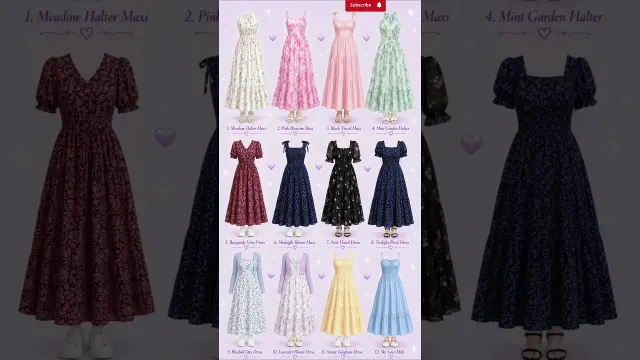
 Cute Maxi and Midi Dress Inspiration with Floral Prints
#Midi Dress
2 ideas
Cute Maxi and Midi Dress Inspiration with Floral Prints
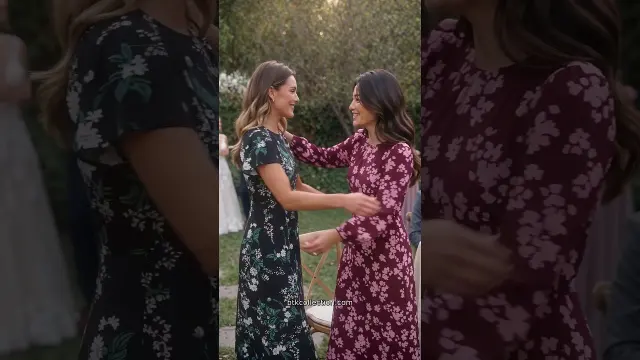 Garden Wedding Guest Black Floral Midi Dress Inspiration
Get new #Midi Dress ideas by email
Every Thursday: the week's best ideas, with the newest from #Midi Dress.
Related tags
Midi Dress Guide: Styles, Fabrics and How to Wear One
A midi dress is a dress whose hem falls somewhere between the knee and the ankle, usually around the middle of the calf. That single measurement is enough to make it one of the most adaptable pieces in a wardrobe: longer than a mini, less formal than a floor-length gown, and comfortable enough to wear for hours at a time. Because the length sits in a middle zone, it works across seasons, occasions and body shapes far more easily than hemlines at either extreme.
Where the name comes from
The word "midi" simply marks the middle of a scale. In clothing it arrived as a way of describing lengths between the short "mini" and the long "maxi", a vocabulary that became common in the twentieth century as hemlines began to move quickly with fashion. The midi itself is far older than the name — calf-length dresses have been worn for centuries in many parts of the world — but the modern midi is defined less by tradition than by its versatility. It is the length designers return to whenever they want something that reads as both modest and contemporary.
The main shapes
Read more
Midi dresses come in a handful of recognisable silhouettes, and the shape matters more than the print or colour.
- A-line: fitted at the shoulder or bust and gently widening to the hem. The most universally easy shape, and a good starting point for anyone new to the length.
- Wrap: crossing over at the front and tying at the waist. The diagonal line flatters many figures and can be adjusted for fit.
- Slip: cut on the bias so the fabric skims rather than clings. Simple, and dependent on good fabric behaviour.
- Fit and flare: close through the bodice and full in the skirt. The volume below the waist balances the upper body.
- Shirt dress: buttoned through the front, often belted. Relaxed and practical, easy to dress up or down.
Fabrics and how they behave
The length needs the right cloth. Fluid fabrics — viscose, crepe, light silk blends, soft jerseys — fall beautifully and drape over the calf. Stiffer fabrics such as cotton poplin or linen hold a shape and suit A-line and shirt styles, but crease, which is part of their character. Knitted midis stretch and move with you and are especially forgiving. If you are choosing a first midi, pick a fabric that hangs rather than one that stands away from the body.
Practical tips for beginners
Hem placement is everything. A hem that ends at the widest part of the calf tends to draw the eye there; a hem a little above or below that point usually looks more balanced. Try the dress on with the shoes you actually plan to wear, since heel height changes where the hem sits relative to your leg. Petite wearers often find that a slightly shorter midi, or one with a visible waist seam, keeps the proportions in check.
Consider the waist. A defined waist — by seam, belt or tie — gives structure to a long line of fabric. Without one, the dress reads as a column, which can be elegant but is less forgiving.
Finally, think about movement. Sit, walk and climb stairs in the dress before committing to it. A midi that rides up or restricts your stride will stay in the wardrobe however good it looks on the hanger.
#Midi Dress: frequently asked questions
How do I choose the right hem length for a midi dress?
Pay attention to where the hem lands on your leg, since a hem stopping at the widest part of the calf tends to pull the eye there. A hem sitting slightly above or below that point usually looks more balanced, and trying the dress on with the shoes you actually plan to wear makes the difference visible, because heel height shifts where the fabric ends.
Which midi dress shape is easiest to start with?
An A-line cut, fitted at the shoulder or bust and widening gently to the hem, is the most universally easy silhouette and a forgiving first choice. If you want something adjustable, a wrap style lets you control the fit at the waist, while a shirt dress suits a more relaxed, everyday look.
What fabric should I look for in a midi dress?
Fluid fabrics such as viscose, crepe, light silk blends and soft jersey drape over the calf and are the easiest to wear. Stiffer cloths like cotton poplin or linen hold a crisper shape and suit A-line and shirt styles, though they crease as part of their character. For a first midi, choose something that hangs rather than stands away from the body.
How do I style a midi dress for a wedding or a special occasion?
A floral midi in a dark or muted print reads as guest-appropriate and formal enough without competing with the couple. Add a defined waist through a belt or tie, and pair it with shoes you can comfortably stand and walk in for hours, since the length is made for long wear.
How should I care for a midi dress so it keeps its shape?
Care depends on the cloth: fluid and knitted fabrics generally want gentle washing and drying flat or hanging, while crisp cottons and linens benefit from pressing to restore their surface. Always check the label inside the dress and treat the hem gently, since a long skirt catches on floors, chairs and stairs more than a shorter one.
What are the common mistakes people make with midi dresses?
The usual pitfalls are ignoring the waist and ending up with a shapeless column, and buying without testing how the dress behaves when you sit, walk or climb stairs. A midi that rides up or restricts your stride tends to stay in the wardrobe however good it looked on the hanger.
Videos come from YouTube and posts from Instagram; titles and summaries are our own. All rights belong to their creators.