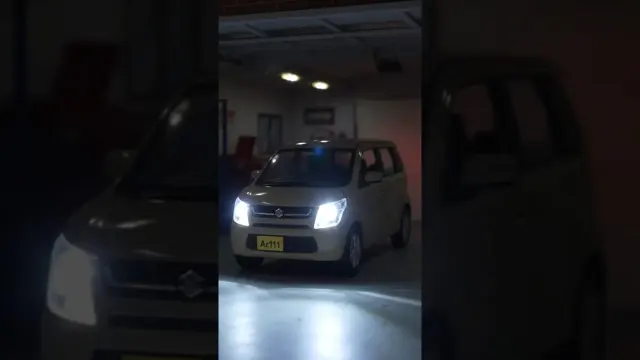
 Detailed Suzuki Wagon R Scale Model Features and Sounds
#Miniature
2 ideas
Detailed Suzuki Wagon R Scale Model Features and Sounds
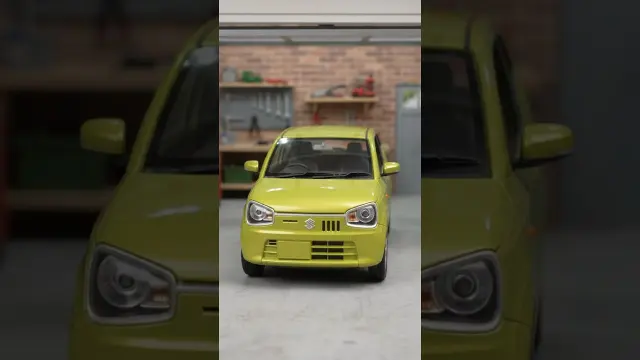 Detailed Suzuki Alto Scale Model Unboxing and Sound Effects
Get new #Miniature ideas by email
Every Thursday: the week's best ideas, with the newest from #Miniature.
Related tags
Miniatures: A Guide to Small-Scale Objects
Miniatures are small-scale versions of real or imagined objects, scenes, and places. They can be made for display, play, collecting, learning, or artistic expression. From dollhouse rooms and model vehicles to tiny food, furniture, and figurines, miniatures invite you to look closely and appreciate detail in a compact form.
What miniatures are
At their simplest, miniatures are objects made to a reduced scale. Some are realistic and carefully measured so they resemble real-life items as closely as possible. Others are more decorative or stylised, with simplified shapes, bright colours, or playful proportions. Miniatures can stand alone as art pieces, form part of a larger scene, or be used in hobbies such as model making and diorama building.
Where miniature work comes from
Read more
The idea of making small versions of the world is very old. People have long created tiny objects for ritual, decoration, storytelling, education, and play. Over time, miniature making developed into many traditions, including model-making, dollhouse craft, architectural models, and collectible figures. Today, miniatures appear in homes, studios, museums, and hobby collections in many different forms.
Common kinds of miniatures
There are many ways to work in miniature, and each has its own appeal:
- Dollhouse miniatures: furniture, rooms, and household items at a small scale
- Model miniatures: vehicles, buildings, trains, ships, and other structures
- Miniature food and kitchen items: tiny realistic pieces for display or craft scenes
- Figurines and characters: small sculpted people, animals, or fantasy figures
- Dioramas: complete scenes built in miniature to tell a story or show a place
Materials and techniques
Miniatures can be made from wood, paper, clay, fabric, metal, plastic, resin, and many other materials. The best material depends on the style you want and how much detail you need. Simple paper and card projects are often good for beginners, while sculpting and assembly work may call for more patience and practice.
Common techniques include cutting, shaping, painting, gluing, layering, texturing, and weathering. Scale is important: when many parts are reduced together, they should still feel consistent. Good proportions, neat edges, and careful finishing often matter more than expensive materials.
What beginners should know
If you are new to miniatures, start with something simple. A single chair, a small room, or one figure is easier to finish than a full scene. Work slowly and check size relationships often. A tiny object can look wrong if one part is too large or too thin.
It also helps to:
- use good light and steady tools
- keep your workspace organised
- test colours and glue on scrap material first
- plan the project before decorating
- accept that small imperfections are part of handmade work
Why miniatures are so appealing
Miniatures combine precision with imagination. They let you create a whole world in a small space, and they reward close looking. Whether you enjoy collecting, building, decorating, or storytelling, miniatures offer a satisfying way to work with your hands and notice the beauty in small things.
#Miniature: frequently asked questions
How do I get started with miniatures if I've never made anything this small?
Begin with something modest and self-contained, like a simple piece of furniture, a single figure, or a corner of a room, rather than a full scene. Working small keeps the project finishable and lets you practise cutting, gluing and finishing before you commit to anything ambitious. Check proportions as you go, since a single oversized or too-thin part is what most often makes a tiny build look off.
What supplies and materials do I actually need to begin?
You can start with basic craft tools, good lighting and a few easy materials such as card, paper, wood offcuts or clay, adding specialised supplies once you know what you enjoy making. The material should follow the look you want and the level of detail you're chasing, so simple paper projects suit beginners while sculpting and assembly work reward more patience. Try colours and adhesives on scrap first, and keep your workspace tidy so small parts don't disappear.
Which kind of miniature should I choose?
It depends on what you want the finished piece to do: dollhouse pieces furnish a room, model kits reproduce vehicles and buildings, food and kitchen items suit display scenes, and figurines or dioramas lean more towards character and storytelling. Realistic work is measured and consistent, while stylised work allows simplified shapes and playful proportions. Pick the category that matches whether you'd rather build, decorate, collect or tell a story.
How should I care for and display finished miniatures?
Keep them out of strong direct sunlight and away from damp, since fading and warping are the usual culprits, and dust them gently with a soft brush rather than a wet cloth. Handle pieces by their bases or armatures so paint and delicate parts survive, and store or display them in an enclosed case if you have pets or a lot of foot traffic. Textured and weathered finishes are especially vulnerable to rubbing, so touch them as little as possible.
What are the most common mistakes beginners make?
The biggest one is starting too large, which leaves an unfinished scene and little sense of what the craft actually feels like. Inconsistent scale is next, because parts reduced together still have to relate to each other convincingly, and sloppy edges or rushed finishing show up far more at small size than at full size. Expect a few flaws — uneven paint and imperfect joins are simply part of handmade work.
Can miniatures make a good gift or a project for a special occasion?
Yes, and the personal angle is what makes them work: a tiny version of someone's kitchen, a favourite room, a pet or a memorable place turns into a keepsake that a bought object can't match. Small scenes and figurines also make gentle projects to build together with family. Keep the recipient's space in mind and choose something that can be displayed on a shelf rather than something that needs a whole table.
Videos come from YouTube and posts from Instagram; titles and summaries are our own. All rights belong to their creators.