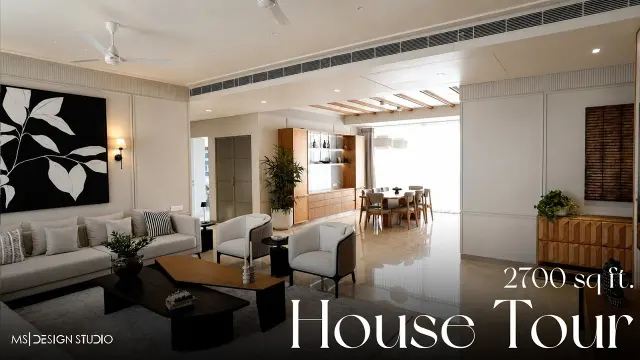
 Luxury home walkthrough with minimalist interior and smart storage
#Minimalist Interior
1 ideas
Luxury home walkthrough with minimalist interior and smart storage
Get new #Minimalist Interior ideas by email
Every Thursday: the week's best ideas, with the newest from #Minimalist Interior.
Related tags
Minimalist Interior Design
Minimalist interior design is about creating a space that feels open, calm, and intentional. Instead of filling a room with many decorative objects, it relies on simplicity, clear lines, and a careful balance between what is present and what is left out. The result is often a home that feels restful and easy to live in.
What minimalist interior means
At its heart, minimalism is not about making a room cold or empty. It is about choosing fewer things, but choosing them well. Every piece should have a purpose, whether practical, visual, or both. Furniture is usually streamlined, surfaces are kept clear, and the overall impression is one of order and breathing room.
Minimalist interiors often draw from modern design, Scandinavian simplicity, Japanese restraint, and contemporary architecture. You may see neutral colors, natural light, simple materials, and a strong emphasis on function. Still, minimalism can look soft, warm, and personal when it is done thoughtfully.
Read more
Common styles and features
There are several ways to interpret a minimalist interior. Some spaces are very pared back, with crisp shapes and little ornament. Others feel warmer and more lived-in, using wood, textured fabrics, and a few meaningful decorative pieces. The style can work in a small apartment or a larger home.
Typical features include:
- Neutral or muted color palettes
- Clean-lined furniture
- Open space around furniture and objects
- Hidden or built-in storage
- Natural materials such as wood, stone, linen, or cotton
- Limited but carefully chosen accessories
Light also plays an important role. A minimalist room often feels better when it has plenty of natural light, because that helps the space feel airy and uncluttered.
How to approach it
If you are new to minimalist interiors, start by looking at how you use each room. Keep the things that are useful, beautiful, or meaningful, and remove items that crowd the space without adding value. This does not mean living without personality. It means being more selective.
A good practical approach is to begin with larger pieces first. Choose a sofa, table, bed, or storage unit with simple lines and a timeless shape. Then add only what is needed for comfort and daily life. A few well-placed objects can have more effect than many small ones.
Tips for a successful minimalist home
- Focus on quality over quantity
- Use storage to keep everyday clutter out of sight
- Mix smooth and textured surfaces to avoid a flat look
- Leave some empty space so the room can breathe
- Keep colors harmonious and limited
- Add warmth with natural materials and soft fabrics
- Choose decor that means something to you
A minimalist interior works best when it feels calm without becoming sterile. The aim is not perfection, but clarity. When you edit thoughtfully and keep only what supports the way you want to live, your home can feel simpler, easier, and more peaceful.
Videos come from YouTube and posts from Instagram; titles and summaries are our own. All rights belong to their creators.