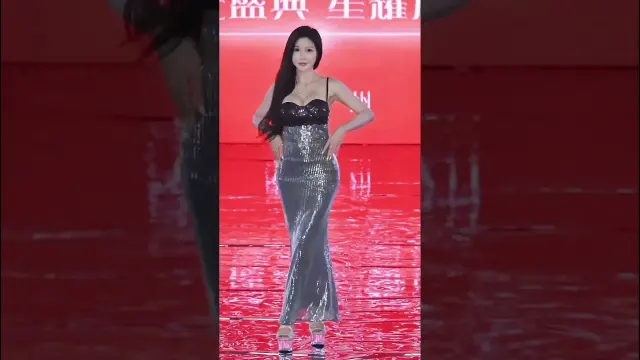
 Stunning Miss Universe Red Carpet Glamour and Evening Gowns
#Miss Universe
1 ideas
Stunning Miss Universe Red Carpet Glamour and Evening Gowns
Get new #Miss Universe ideas by email
Every Thursday: the week's best ideas, with the newest from #Miss Universe.
Related tags
Miss Universe: A Guide to the Pageant and Its Glamour
Miss Universe is one of the most widely followed beauty pageants in the world: an annual competition in which delegates representing countries and territories take part in a series of public rounds before one of them is crowned. It sits at the meeting point of several worlds at once — fashion and evening wear, live television, national pride, and, increasingly, social advocacy. Even if you have never watched a full broadcast, you have almost certainly seen the images: the long gown, the sash, the crown, the wave at the edge of the stage.
Where it comes from
The pageant grew out of the mid-twentieth-century American seaside beauty contests, at a time when swimwear makers and tourism promoters were looking for spectacle that would travel well in photographs. What began as a local event became an international broadcast, and with that came a shift in what the competition claimed to measure: not only appearance, but poise, communication and the ability to represent something larger than oneself. That tension — between glamour and purpose — has shaped the pageant ever since.
How the competition works
Read more
The format varies from year to year, but the shape is familiar. Delegates arrive days or weeks ahead of the final for rehearsals, interviews and preliminary judging. National costume showcases cultural storytelling; the evening gown round rewards presence and fit of dress to person; the interview and final question test composure under pressure, with a live audience and cameras waiting. Judging panels weigh confidence, articulation and stagecraft alongside styling, which is why contestants who seem merely decorative rarely go far.
The glamour, up close
Red carpet and stage styling is where the pageant meets fashion most visibly. Evening gowns tend to be floor-length, often with trains, beadwork or dramatic silhouettes, chosen to flatter the wearer's proportions and to read clearly from a distance — a dress that photographs beautifully in a close-up can vanish on a wide stage. Hair and makeup are built for bright lighting and long hours, which means more structure and more hold than everyday styling. National costumes are the freest category of all, ranging from historical dress to sculptural pieces that require a handler to walk.
What beginners should know
- Pageantry rewards preparation more than luck. Delegates rehearse walks, answers and wardrobe transitions for months.
- Presence is a skill. Shoulders back, slow steps, eye contact and a settled expression carry further than elaborate costume.
- The interview often decides the outcome. Clear, sincere answers beat rehearsed slogans.
- Follow the preliminaries, not just the final. Much of the judging happens before the televised night.
- If you are drawn to competing yourself, start with posture, public speaking and a gown that suits your own silhouette rather than a trend.
More than one night
A title year is mostly work: travel, appearances, charity partnerships and speaking engagements. Many former titleholders move into broadcasting, law, business or philanthropy, and the networks built during the year often outlast the crown itself. Watching the pageant with that in mind changes what you notice — not only who wins, but who seems genuinely at ease in the role.
#Miss Universe: frequently asked questions
What actually happens at Miss Universe?
Delegates representing countries and territories spend days in rehearsals, interviews and preliminary judging before a televised final. On stage they present national costume, evening wear and spoken answers, and a judging panel weighs poise, articulation and presence alongside styling before one delegate is crowned.
If I dream of competing one day, where should I start?
Begin with the skills that carry the most weight: posture, walking, and being able to speak clearly and sincerely under pressure. Local and national pageants are the usual entry route, so look for opportunities close to home and treat them as practice rather than a single make-or-break moment. Choosing a gown that suits your own silhouette matters far more than chasing whatever silhouette is trending.
How can I follow the competition beyond the final night?
Pay attention to the preliminaries and the interview rounds, because much of the judging is settled before the televised show. Watching delegates in unscripted moments — press events, interviews, backstage clips — tells you far more about who is genuinely at ease than a single posed walk does.
What should I wear to watch the broadcast or a viewing party?
Viewing parties tend to lean glamorous, so a floor-length dress or a sharp tailored look in a rich colour reads well and photographs nicely in group shots. If you would rather stay comfortable for a long night in front of the screen, a simple elegant outfit with one statement accessory keeps the spirit without the effort.
What do first-time viewers usually misunderstand?
Many assume the pageant is purely about appearance, but the interview and final question often decide the result, and a striking costume cannot compensate for a shaky answer. Others watch only the crowning moment and miss the earlier rounds where the real judging happened.
How are national costumes different from evening gowns?
The evening gown round is about fit and presence — a dress chosen to flatter the wearer and stay legible from a distance under bright stage lighting. National costume is the freest category, ranging from historical dress to large sculptural pieces, and it is judged as cultural storytelling rather than as fashion alone.
Videos come from YouTube and posts from Instagram; titles and summaries are our own. All rights belong to their creators.