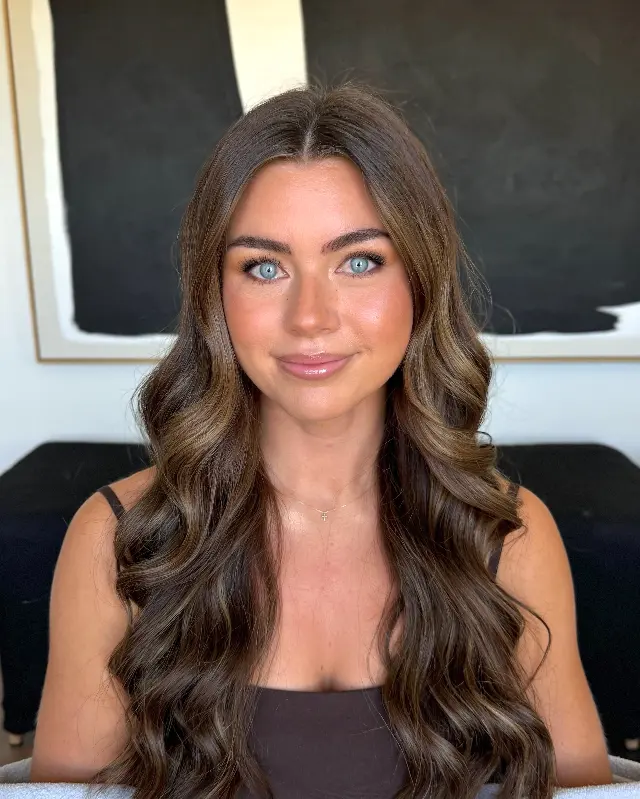
 Bronzed Glow Makeup Look Created for Model Jensen Arnold
#Model Makeup
1 ideas
Bronzed Glow Makeup Look Created for Model Jensen Arnold
Get new #Model Makeup ideas by email
Every Thursday: the week's best ideas, with the newest from #Model Makeup.
Related tags
Model Makeup: A Guide to Camera-Ready Beauty
Model makeup is the branch of cosmetics made for being photographed and filmed rather than simply seen in a mirror. The face is not the final destination: it passes through a lens, under lights, into a frame that may be cropped, retouched or printed large. That single fact shapes everything about it — how much product goes on, where shading sits, what a colour looks like once a flash hits it.
Where it comes from
The look grew out of two worlds that have always borrowed from each other: the studio and the catwalk. Photographers needed faces that held their structure in black and white, so makeup artists learned to exaggerate contrast and carve shadow where a flat light would otherwise erase it. Runway work pushed the opposite direction, towards bold, graphic statements meant to be read from a distance in motion. Commercial and beauty work added a third language, softer and more natural, where the goal is skin that looks like skin.
The main kinds
Read more
- Editorial makeup is expressive and concept-driven, often built around one strong idea: a graphic line, an unexpected colour, a bare face with a single accent.
- Runway makeup has to survive movement and distance, so it tends to be simple in shape but strong in contrast.
- Beauty and commercial makeup aims for polish: even, luminous skin, defined lashes, a healthy flush.
- Bridal and occasion modelling borrows from all three, balancing the camera's demands against how the makeup feels to wear for hours.
What beginners should know
Start with skin. A well-prepared base — cleansed, hydrated, given a few minutes to settle — carries more of the result than any single product. Build coverage in thin layers rather than one heavy pass; you can always add, and thinning out a thick base rarely looks the same.
Think in terms of light. Contour and highlight are not about trends but about restoring dimension that flat lighting removes. Place shading where shadow would naturally fall, and keep it soft-edged.
Test before the day. Some sunscreens and heavily shimmering products can reflect light in unexpected ways in flash photography, and certain pigments shift hue under studio lights. Photograph a trial run in the conditions you will actually be in.
Finally, learn your own face and let the brief follow it. The most convincing model makeup looks like a person, not a technique. Practise, note what works under which light, and keep the rest simple.
Videos come from YouTube and posts from Instagram; titles and summaries are our own. All rights belong to their creators.