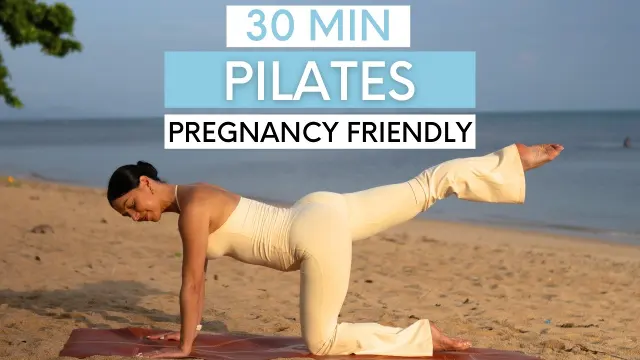
 30 Minute Pregnancy Friendly Moderate Pilates Routine
#Moderate Workout
1 ideas
30 Minute Pregnancy Friendly Moderate Pilates Routine
Get new #Moderate Workout ideas by email
Every Thursday: the week's best ideas, with the newest from #Moderate Workout.
Related tags
Moderate Workout Guide for Everyday Fitness
Moderate workout means moving at an intensity that challenges your body without pushing it to exhaustion. It is the middle ground between gentle activity and hard training, and it can be a practical way to stay active consistently. For many people, this includes brisk walking, easy cycling, swimming at a steady pace, dancing, light strength training, or a Pilates-style session that keeps you working but still able to talk in short sentences.
What moderate exercise is
A moderate workout should raise your heart rate and make you breathe a little harder, but you should still feel in control. You may notice warmth, a light sweat, and a sense that you are working, yet not straining. The exact level depends on your current fitness, age, energy, and the type of movement you choose.
This kind of exercise is often used as part of general fitness, weight management support, stress relief, and overall wellbeing. It is also a good starting point if you are building a habit, returning to movement after a break, or looking for something sustainable over time.
Read more
Common types of moderate workouts
Moderate exercise can take many forms, so it is easy to adapt to your preferences and routine.
- Brisk walking outdoors or on a treadmill
- Cycling at a steady, comfortable pace
- Swimming laps without racing
- Low-impact dance or aerobics
- Gentle to moderate Pilates
- Bodyweight strength circuits with short rests
- Hiking on fairly even ground
- Light jogging for some people, depending on fitness level
The best choice is one you can repeat regularly and enjoy enough to keep doing.
How to know if the pace is right
A useful guide is the talk test. During a moderate workout, you should be able to talk, but not sing comfortably. Your breathing should be deeper than at rest, yet you should not feel overwhelmed. If you are completely unchallenged, you may need to increase the pace a little. If you cannot speak at all or feel dizzy, slow down and recover.
Tips for beginners
If you are new to exercise, start small and build gradually. A moderate workout does not need to be long or complicated to be valuable.
- Begin with 10 to 15 minutes if needed
- Warm up with gentle movement first
- Choose low-impact options if joints are sensitive
- Focus on consistency rather than intensity
- Rest when you feel unusually tired
- Drink water before and after
- Wear comfortable shoes and clothing that lets you move easily
It is often better to finish feeling capable than to push too hard and avoid the next session.
Building a balanced routine
Moderate workouts work well when combined with mobility, rest, and everyday movement. You might mix walking with short strength sessions, or alternate more active days with lighter ones. Variety can help prevent boredom and support different parts of fitness, such as stamina, posture, and muscular endurance.
If you are pregnant, recovering from illness, or have a health condition, it is sensible to choose gentle, well-tolerated movement and ask a qualified healthcare professional for personal guidance. In general, the safest approach is to listen to your body and progress slowly.
A moderate workout is less about perfection and more about steady effort. When the pace feels manageable, the routine becomes easier to maintain, and that regularity is often what matters most.
Videos come from YouTube and posts from Instagram; titles and summaries are our own. All rights belong to their creators.