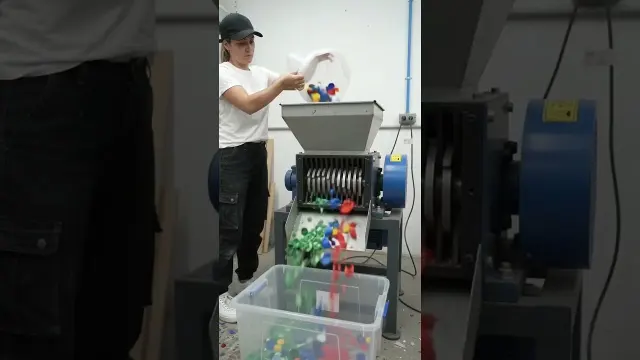
 Plastic Bottle Cap Upcycled Modern Stool
#Modern Stool
1 ideas
Plastic Bottle Cap Upcycled Modern Stool
Get new #Modern Stool ideas by email
Every Thursday: the week's best ideas, with the newest from #Modern Stool.
Related tags
Modern Stool Guide: Styles, Materials and Design Ideas
A stool is the oldest seat there is, and one of the most useful. Long before chairs had backs, people sat on simple raised platforms, and the stool has stayed close to that original idea ever since: a surface at sitting height, open on every side, easy to move. What makes a stool modern is less about a date and more about an attitude. Modern design treats the stool as an exercise in reduction, where every element has to justify itself, and where material and proportion carry the beauty rather than ornament.
What defines a modern stool
The modern stool tends to be honest about how it is made. Legs meet the seat without pretending otherwise. Joints are either hidden completely or celebrated openly. Lines are clean, silhouettes are light, and the piece is expected to work from any angle, since a stool without a back is visible from all sides. Practicality comes with it: a stool tucks under a counter, doubles as a side table, or gets carried to wherever it is needed.
Main kinds
Read more
Counter and bar stools are the most familiar, distinguished mainly by seat height and by whether they include a footrest. Backless stools suit tight spaces and visual calm. Stools with a low back or a partial back offer a little support without the bulk of a chair. Three-legged versions are stable on uneven floors and have a long folk tradition behind them. Stackable stools are made for flexibility, and nesting designs allow several to occupy the space of one.
Materials and their character
Wood is warm and repairable, and reads as modern when the shape is simple rather than the finish elaborate. Metal, particularly tubular steel and bent sheet, gives thin profiles and industrial clarity. Moulded plastic allows curves and colours and is light enough to move with one hand. Upholstered stools add softness and quiet. Mixed constructions, such as a wooden seat on a metal base, are common because they let each material do what it does best. Reclaimed and upcycled materials appear often here too, and a stool made from salvaged parts can be genuinely modern in spirit, since the form is decided by what was available.
What beginners should know
Height matters most. Measure the counter or table and check the clearance you want between seat and surface; too high is uncomfortable in a way that cannot be fixed. Sit before you commit if you can, and think about where feet will rest. Stability on three or four legs is easy to check by rocking the piece gently. Consider weight and how often you will move it, and whether the seat edge will be kind to the back of your legs. Outdoors, choose materials that tolerate damp.
Practical care
Solid wood benefits from occasional oil and should not sit in standing water. Metal frames stay sound but may show scratches. Plastic wipes clean and dislikes prolonged sun. Upholstery needs a fabric suited to how the stool is actually used. Tighten joints now and then; a stool loosens faster than a chair because it is leaned on and dragged.
A good modern stool disappears into a room while quietly doing its job, and that is exactly the point.
#Modern Stool: frequently asked questions
How do I pick the right height for a modern stool?
Start from the surface it will sit beside rather than from the stool itself. Measure the counter or table and think about the gap you want between the seat and that surface, since a stool that sits too high cannot really be corrected afterwards. If you can, sit on it in place before deciding, and check where your feet naturally land.
Which material is best for a modern stool?
There is no single best material, only the one that suits how the stool will be used. Wood is warm and can be repaired, metal keeps profiles slim and crisp, moulded plastic is light and easy to wipe, and upholstery softens a room but needs a fabric matched to real use. Mixed constructions are popular because each part is chosen for what it does well.
Is a backless stool comfortable enough for everyday use?
A backless stool gives no support behind you, so it works best for short sits, quick tasks, or places where a chair would feel bulky. If you plan to linger, look for a version with a low or partial back that adds a little support without turning the piece into a chair. Seat edge shape matters too, since a hard sharp edge presses into the back of the legs.
How do I care for a modern stool so it lasts?
Care follows the material: solid wood likes occasional oil and dislikes standing water, plastic wipes clean but fades in long sun, and metal stays strong while showing scratches. Whatever the material, tighten the joints from time to time, because a stool is leaned on and dragged more than a chair and loosens sooner.
Can a stool be used outdoors?
Yes, but the material has to tolerate damp and shifting weather. Pieces meant for a garden or terrace should shed water rather than soak it up, and any upholstery needs to dry quickly. A stool you move between indoors and out is easiest to live with when it is light enough to carry in one hand.
What mistakes do people make when buying their first modern stool?
The usual one is choosing by look alone and ignoring height, which is the detail that decides whether the stool is actually usable. Others forget to think about stability, weight, and how often the piece will be moved around. It also helps to remember that a stool is seen from every side, so it should look resolved from behind as well as from the front.
Videos come from YouTube and posts from Instagram; titles and summaries are our own. All rights belong to their creators.