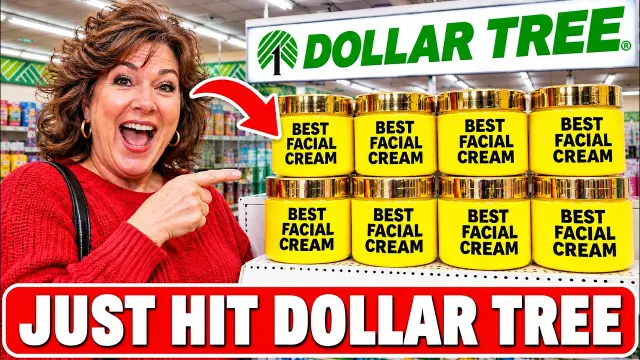
 Ten budget skincare finds from Dollar Tree
#Moisturizers
1 ideas
Ten budget skincare finds from Dollar Tree
Get new #Moisturizers ideas by email
Every Thursday: the week's best ideas, with the newest from #Moisturizers.
Related tags
Moisturizers: A Beginner's Guide to Softer, Happier Skin
Moisturizers are among the simplest products in any skincare routine, and also the most misunderstood. At heart, a moisturizer is a blend of water, oils and ingredients that help skin hold on to moisture. It rarely adds water to skin from the outside; instead it slows down the natural loss of water that happens all day, which is why skin feels softer and looks calmer after use.
What moisture actually means
Skin has its own barrier, a thin outer layer that keeps water in and irritants out. Cold air, hot showers, harsh cleansers, wind and dry indoor heating all chip away at that barrier. When it weakens, skin feels tight, looks dull and may flake or sting. A moisturizer supports the barrier rather than replacing it, which is why consistency matters more than any single ingredient.
The main kinds
Read more
Most moisturizers fall into three loose groups. Humectants, such as glycerin and hyaluronic acid, draw water toward the skin's surface. Emollients, including many plant oils and fatty alcohols, fill the small gaps between skin cells and make skin feel smooth. Occlusives, like petrolatum, beeswax or shea butter, sit on top and form a protective seal. Good products usually combine all three.
Textures vary just as widely. Lotions are light and watery, suited to normal or oily skin and to warm weather. Creams are richer and better for dry or mature skin. Gels feel cooling and weightless. Balms and ointments are the heaviest and are best used on small, very dry areas or overnight.
Choosing one
Start with how your skin feels a few hours after washing, not with a label. Tight and flaky suggests you need something richer; shiny and congested suggests something lighter. Fragrance-free formulas are a sensible default, especially for sensitive skin, since fragrance is a common cause of irritation. If you use active ingredients such as retinol or exfoliating acids, a plain, gentle moisturizer is often the best partner for them.
Practical habits
Apply moisturizer to slightly damp skin, right after cleansing or washing your face, so it can trap that moisture. Use gentle, lukewarm water rather than hot. A small amount is enough; more does not mean better, and layering too much can feel heavy without helping. Moisturize your neck and hands too, as these areas show dryness early. In winter you may need a thicker formula, in summer a lighter one.
A word on expectations
Moisturizers improve comfort and appearance, but they are not treatments for skin conditions. If skin stays persistently red, itchy, cracked or painful despite regular care, that is worth raising with a pharmacist or doctor rather than solving with another bottle. Patience helps as well: a new product usually needs a couple of weeks of regular use before you can judge it fairly.
#Moisturizers: frequently asked questions
What does a moisturizer actually do for my skin?
It mostly slows down the water your skin loses naturally during the day, rather than pouring water into it from the outside. That is why skin feels softer and looks calmer after you apply it, and why steady use matters more than any single ingredient. Think of it as support for your skin's own barrier, not a replacement for it.
How do I pick the right texture for my skin?
Judge by how your face feels a few hours after washing rather than by the label on the jar. Tight, flaky skin usually wants a richer cream, while skin that turns shiny and congested does better with a light lotion or a cooling gel. Season matters too, since most people need something heavier in cold weather and lighter when it is warm and humid.
When and how should I apply it?
Apply it to skin that is still slightly damp, right after cleansing, so the product can help hold that moisture in. Use lukewarm rather than hot water, and keep the amount small, since piling on more does not make it work better. Your neck and hands are worth including, as dryness tends to show there early.
What are the most common mistakes people make?
The usual ones are using far too much product, washing with very hot water, and expecting a change overnight. Another is choosing a heavily fragranced formula when skin is easily irritated, since fragrance is a frequent trigger for sensitivity. Layering several rich products at once can also feel heavy without doing more for your skin.
I use exfoliating acids or retinol — do I need a separate moisturizer?
A plain, gentle moisturizer is often the best companion to active products like those, because it keeps skin comfortable while the actives do their work. Keep it simple and fragrance-free so it does not add another source of irritation. If skin stays persistently red, itchy or painful despite regular care, that is worth raising with a pharmacist or doctor instead of trying yet another bottle.
How long should I give a new moisturizer before deciding?
Give it a stretch of regular use before you judge it fairly, since a single application tells you very little. What you are watching for is how skin feels through the day — comfortable and settled, or still tight and flaky. If it never gets there, the formula is probably the wrong weight for you rather than a bad product.
Videos come from YouTube and posts from Instagram; titles and summaries are our own. All rights belong to their creators.