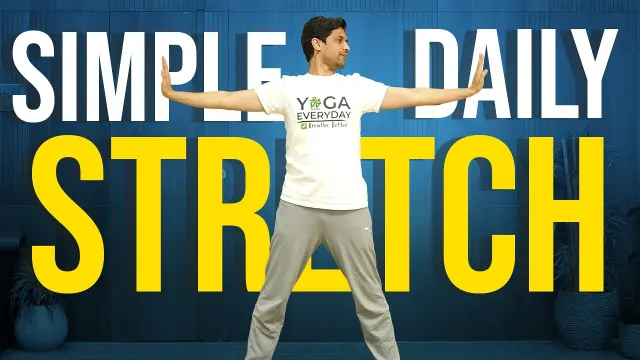
 10 Minute Daily Morning Stretch Routine for Flexibility
#Morning Stretch
1 ideas
10 Minute Daily Morning Stretch Routine for Flexibility
Get new #Morning Stretch ideas by email
Every Thursday: the week's best ideas, with the newest from #Morning Stretch.
Related tags
Morning Stretch: A Gentle Start to Your Day
Stretching first thing in the morning is one of the oldest and simplest habits there is. Before gyms, before fitness apps, people woke and moved their bodies slowly — reaching overhead, rolling the shoulders, bending and breathing — because a body that has been still for hours feels stiff and asks to be unfolded. Morning stretching is simply that instinct made deliberate: a few unhurried minutes of movement before the day's demands begin.
What it is and what it does
Morning stretching is a short sequence of slow, controlled movements that take joints through their range of motion and lengthen muscles that have shortened overnight. It is not the same as a warm-up before hard exercise, and it is not a workout. Its purpose is to wake the body up, ease stiffness, and help you notice how you feel. Many people find it makes the first hour of the day more comfortable and sets a calmer tone for what follows. Keep expectations modest and honest: it feels good, it helps you move more freely, and it is a pleasant way to begin.
The main kinds
Read more
Most routines blend a few approaches.
- Static stretching: holding a position, such as a hamstring or calf stretch, for a slow count while breathing steadily.
- Dynamic stretching: gentle, repeated movements such as arm circles, leg swings or cat-cow, where the body keeps moving rather than holding.
- Mobility work: slow, controlled movements at the edge of your range, often for hips, shoulders and spine.
- Breath-led movement: simple poses coordinated with slow breathing, drawn from yoga and similar traditions, where the emphasis is on ease rather than depth.
What beginners should know
Start where you are. A five- or ten-minute routine is plenty, and consistency matters far more than length. Move slowly enough that nothing feels sharp or forced; a mild stretch is the goal, not discomfort. Breathe steadily and never hold your breath. Warm muscles stretch more comfortably, so a few minutes of walking or gentle bouncing in place before deeper stretches helps.
Choose a handful of movements that cover the whole body: neck and shoulders, spine, hips, hamstrings and calves. A simple sequence might include shoulder rolls, a gentle spinal twist, a standing forward fold, a hip flexor stretch and a calf stretch. Repeat the same short routine for a few weeks rather than collecting dozens of moves; familiarity makes it easier to do without thinking.
Practical tips
Keep it where you can see it — a mat left unrolled, a note on the mirror. Pair it with something you already do, like boiling the kettle or brushing your teeth, so it anchors to your day. Move before you check your phone. If you feel pain rather than stretch, back off; if it persists, speak to a health professional rather than pushing through. Breathe out as you settle into a stretch, and finish with a moment of stillness before you go. A few minutes, done gently and often, is the whole practice.
#Morning Stretch: frequently asked questions
How do I start a morning stretch routine if I've never done one?
Begin with a handful of slow movements that feel easy — shoulder rolls, a gentle spinal twist, a standing forward fold — and keep the whole thing short enough that you'll actually do it again tomorrow. Move at a pace where nothing feels sharp or forced, and aim for a mild stretch rather than a deep one. Doing a little every day matters far more than having an impressive routine.
Do I need a mat or any equipment for morning stretching?
No equipment is required — you can stretch barefoot on a rug or a towel in whatever you slept in. A mat helps mainly as a visual reminder, so if you have one, leave it unrolled where you'll see it first thing. Comfortable clothing you can move in is the only real consideration.
Should I do static stretches or dynamic movement in the morning?
Most people do best with a mix, leaning slightly toward gentle dynamic movement first — arm circles, leg swings, cat-cow — because the body is stiff after hours of stillness. Hold static positions like a calf or hamstring stretch once you feel warmer, and let your breath lead the pace. Breath-led movement borrowed from yoga is a good way to keep the whole thing unhurried.
How do I make morning stretching a habit that sticks?
Attach it to something you already do without thinking, such as waiting for the kettle or brushing your teeth, so it tags along with an existing part of your morning. Move before you pick up your phone, since the day's messages tend to swallow the time you meant to use. Repeating the same short sequence for a few weeks also helps, because familiarity means you don't have to decide anything.
What are the most common mistakes beginners make?
The usual ones are going too deep too fast, holding the breath, and trying to cover too many movements at once. Another is treating it like a workout or a warm-up for hard exercise, which sets expectations the practice can't meet. If something hurts rather than stretches, ease off and keep it gentle.
Can I stretch in the morning if I feel stiff and not very flexible?
Yes — stiffness after sleep is exactly the reason to move, not a reason to wait until you're more flexible. Start with small, easy ranges of motion and let warmth build gradually; a few minutes of walking or gentle bouncing in place beforehand makes deeper stretches feel more comfortable. Your range tends to improve with steady, gentle repetition rather than force.
Videos come from YouTube and posts from Instagram; titles and summaries are our own. All rights belong to their creators.