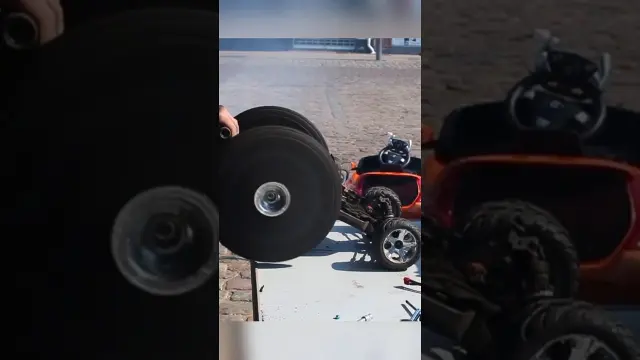
 Why Spinning Wheels Seem to Expand at High Speed
#Motorcycle Wheels
1 ideas
Why Spinning Wheels Seem to Expand at High Speed
Get new #Motorcycle Wheels ideas by email
Every Thursday: the week's best ideas, with the newest from #Motorcycle Wheels.
Related tags
Motorcycle Wheels: Spokes, Cast Alloys and Care
Motorcycle wheels do more than carry the bike. They hold the tire's shape, put the engine's torque onto the road, absorb part of every bump, and help the machine stay upright as speed builds. Understanding how they are built makes it easier to look after them and to know what you are choosing when you buy.
Spoked, cast and forged
The classic wire wheel uses a hub, a rim and a set of thin steel spokes laced between them. Because the spokes are slightly flexible, this kind of wheel copes well with rough surfaces and can be repaired spoke by spoke. It usually needs an inner tube unless the rim is specifically sealed for tubeless tires.
Cast wheels are made by pouring aluminium alloy into a mould, producing either a solid disc or a set of thick spokes. They are stiff, need little attention, and suit tubeless tires naturally. Forged wheels start as a solid billet pressed into shape under heat and pressure, which makes them stronger and lighter than cast ones for the same job. Carbon fibre wheels exist too, prized for their low weight but expensive and needing care.
Read more
Rims come in different widths and profiles, and the width has to match the tire. A tire squeezed onto a narrow rim, or stretched onto a wide one, changes its shape and the way the bike steers. When in doubt, follow the fitment information published for that tire rather than guessing.
What the wheel does at speed
A spinning wheel resists being tilted, which is part of why a motorcycle feels steadier the faster it goes. Weight placed far from the centre of the wheel — heavy rims, heavy tires — takes more effort to speed up and slow down, so lighter wheels tend to sharpen both acceleration and steering. That is also why wheels are balanced: an unevenly distributed mass makes itself felt as a vibration that grows with speed.
Looking after them
- Check tire pressure regularly, when the tires are cold. Pressure is the single easiest thing to get wrong and the easiest to correct.
- Inspect the tread for cuts, embedded stones and uneven wear, which can hint at a suspension or alignment problem.
- On wire wheels, tap the spokes and feel for looseness, and watch for rust at the nipples. A wheel that has lost tension will not stay true.
- After a heavy impact — a pothole, a kerb — check the rim for dents and flat spots.
- Keep the rim clean, especially around the bead area, and avoid harsh solvents that can attack seals.
- Have wheels balanced after fitting a new tire, and check bearings for play or roughness when the wheel is off.
Beginners often overlook the difference between a wheel that looks fine and one that runs true. A slow, careful look, a spin by hand and a listen for odd noises will catch most trouble early — and a wheel is one of the few parts of a motorcycle where small faults turn into large ones quickly.
#Motorcycle Wheels: frequently asked questions
How do I decide between spoked, cast and forged wheels?
Spoked wire wheels flex a little, shrug off rough surfaces and can be repaired one spoke at a time, so they suit riders who cover mixed or unpaved ground. Cast wheels are stiff, almost maintenance-free and take tubeless tires without fuss, which makes them a sensible everyday choice. Forged wheels cost more but come out stronger and lighter than cast ones for the same job, and carbon fibre is lighter still if you can live with the price and the extra care.
Can I put a wider tire on my existing rim?
Rim width and profile have to match the tire, because squeezing a tire onto a narrow rim or stretching it onto a wide one changes its shape and how the bike steers. Rather than guessing from looks, follow the fitment information published for that particular tire. If the sizes don't line up, changing the wheel is the safer route.
What routine checks keep motorcycle wheels in good shape?
Check tire pressure when the tires are cold, since it is the easiest thing to get wrong and the easiest to put right. Look over the tread for cuts, trapped stones and uneven wear, and on wire wheels tap the spokes and watch for rust where they meet the rim. After a hard knock from a pothole or kerb, inspect the rim for dents and flat spots before riding on.
Why do wheels need balancing, and when?
Any unevenly spread mass in the wheel shows up as a vibration that gets worse the faster you go, which is exactly what balancing removes. Have the wheel balanced whenever a new tire goes on, and check the bearings for play or roughness while the wheel is off the bike. A quick spin by hand and a listen for odd noises will catch most trouble before it grows.
What mistakes do people new to motorcycle wheels make?
The most common is assuming a wheel that looks fine is running true, when a slow spin and a careful look would tell a different story. Others clean the rim with harsh solvents that attack seals, or overlook the bead area when cleaning. Small faults in a wheel tend to become large ones quickly, so it pays to look often rather than thoroughly once in a while.
Videos come from YouTube and posts from Instagram; titles and summaries are our own. All rights belong to their creators.