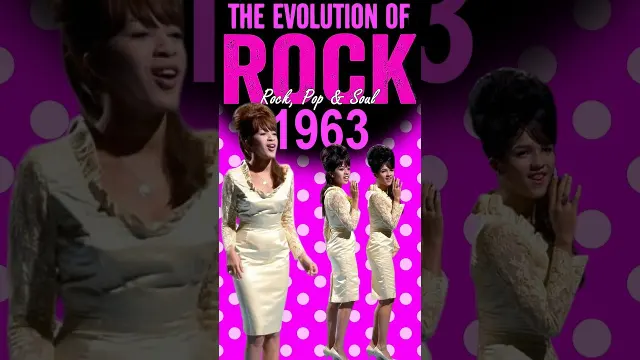
 1963 Billboard Hits Month by Month Countdown
#Motown
2 ideas
1963 Billboard Hits Month by Month Countdown
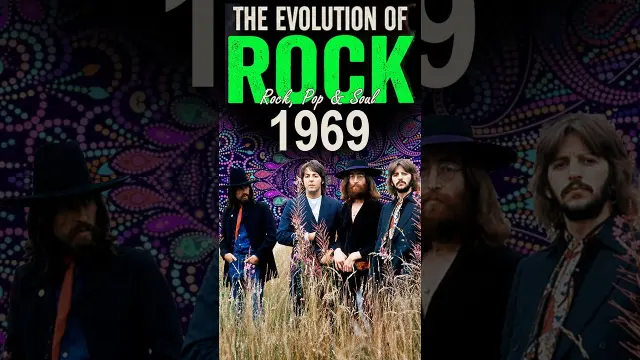 1969 Billboard Hits Countdown by Month
Get new #Motown ideas by email
Every Thursday: the week's best ideas, with the newest from #Motown.
Related tags
Motown: The Sound of Young America, Explained
Motown is the name of a record label — and of a sound so distinct that one word covers both. Born in Detroit in the late 1950s and built by Berry Gordy Jr., it grew from a small family operation into one of the most influential forces in popular music, turning gospel-trained singers into pop stars and teaching the world a new way to hear soul.
Where it comes from
Motown took its name from Detroit's nickname, "Motor Town," and its headquarters was a modest house on West Grand Boulevard that everyone called Hitsville U.S.A. The label grew out of the same city that gave the world the rhythm and blues of the churches and clubs, and Gordy's instinct was to smooth those rough edges without losing their warmth. The result was music aimed squarely at young listeners — the label's own slogan was "The Sound of Young America."
What makes the sound
Read more
The Motown sound is easy to recognise once you learn where to listen. A tambourine rattles on the backbeat. The bass is melodic rather than merely supportive, often playing a line you could hum. Drums, piano and guitar lock together tightly, while strings and horns add a bright, almost orchestral lift. Handclaps, call-and-response backing vocals and a driving four-beat pulse give the records their bounce.
Behind it all was a house band, the Funk Brothers, who played on an extraordinary share of the label's recordings. Their rapport is a large part of why so many of those records sound like they belong to one family.
The system behind the hits
Motown worked like a workshop. Songwriters wrote to order, producers competed for the same artists, and finished records were judged at a quality meeting before release. Artists were also coached in stagecraft, posture and presentation, which is why the label's groups were so polished on television and in concert. Songwriting partnerships shaped much of the catalogue: Smokey Robinson's tender, story-driven songs, and the Holland–Dozier–Holland team's gleaming, hook-heavy pop-soul, among them.
A wide roster, several styles
The label was never one thing. The Supremes sparkled with pop elegance; the Temptations and Four Tops carried deeper, more muscular soul; Martha and the Vandellas and Gladys Knight's group leaned harder into rhythm; Stevie Wonder grew from teenage prodigy to adventurous songwriter; Marvin Gaye explored introspection; the Jackson 5 brought joyful, high-energy family pop. Added together, that range is the real story of Motown.
How to start listening
If you are new to it, follow the voices first, then the bass lines, then the tambourine — each tells you something about how the record was built. Try a chronological approach: early singles first, then the mid-period pop masterpieces, then the more personal work of the late period. Listening to a full album rather than a compilation shows how carefully tracks were sequenced.
Above all, listen to the joy in it. Motown was commercial music made with craft and discipline, and that combination is why it still sounds fresh.
If you are making music yourself
Study the arrangements rather than copying the surface. Notice how much space each instrument leaves, how the backing vocals answer the lead, and how a song can feel full with only a handful of parts. Restraint and clarity, more than volume, are what those records teach.
#Motown: frequently asked questions
Is Motown a record label or a style of music?
It is both, which is why one word is enough. Motown was a Detroit label that grew from a small family-run operation into a major force in popular music, and the records it released were so consistent in feel that the name became shorthand for the sound itself. The sound was built on gospel-trained voices smoothed into pop, with warmth kept intact rather than polished away.
How do I start listening to Motown if I know nothing about it?
Start with the voices, then move your ear to the bass line, then to the tambourine — each layer tells you how the record was put together. A chronological path works well: early singles first, then the polished pop period, then the more personal later work. Try full albums rather than compilations, since the sequencing was done with care and shows how the label thought about a record.
What makes the Motown sound so easy to recognise?
Listen for a tambourine rattling on the backbeat and a bass that plays a line you could hum rather than just holding down the harmony. Drums, piano and guitar lock together tightly, while strings and horns lift the whole thing, and handclaps or answering backing vocals add the bounce. Much of that consistency came from a core house band whose rapport made dozens of different artists sound like one family.
Which Motown style should I choose first?
It depends on what you already like elsewhere. If you lean toward elegant pop melody, go for the label's sparkling pop side; if you want something deeper and more muscular, its harder soul acts will suit you; if you prefer a singer-songwriter feel, the later, more introspective records are the place to begin. The label's real story is its range, so sampling across those styles is never a waste of time.
What mistakes do people make when getting into Motown?
The common one is treating it as background nostalgia and only hearing the hits, which hides how varied the catalogue actually is. Another is assuming the sound was effortless — it came out of a workshop system where songwriters wrote to order, producers competed, and finished records were judged before release. For anyone making music, the biggest mistake is copying the surface gloss instead of studying how much space each instrument leaves.
Can Motown work for a party, wedding or family gathering?
Very well, because the music was made for dancing and for a wide audience — bright, rhythmic and built around a steady pulse. It also crosses generations easily, since the songs are melodic enough for children and familiar enough for older guests. Build a set that moves between the pop side and the harder soul side so the energy rises and falls instead of staying flat.
Videos come from YouTube and posts from Instagram; titles and summaries are our own. All rights belong to their creators.