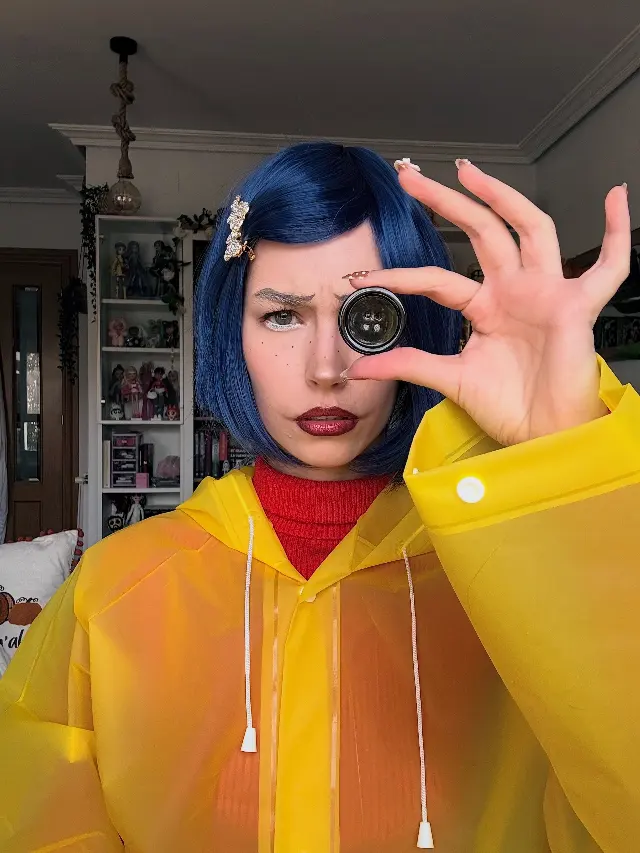
 Coraline Spooky Animation Makeup
#Movie Makeup
1 ideas
Coraline Spooky Animation Makeup
Get new #Movie Makeup ideas by email
Every Thursday: the week's best ideas, with the newest from #Movie Makeup.
Related tags
Movie Makeup: Creating Characters for Screen
What movie makeup is
Movie makeup is the craft of using cosmetics and special materials to shape how an actor looks on screen. It can make someone appear younger, older, healthier, tired, injured, fantasy-like, or completely transformed into another character. In film, makeup is not only about beauty. It is part of storytelling, helping the audience understand a character before a single word is spoken.
This kind of makeup has roots in theatre, where performers needed strong facial definition for stage lighting and distance. Film makeup developed further as cameras became more detailed and close-up shots demanded finer, more realistic work. Today, movie makeup ranges from simple correction makeup to complex character effects.
Main kinds of movie makeup
Read more
Movie makeup usually falls into a few broad styles:
- Beauty makeup, which enhances natural features while keeping the face camera-ready
- Character makeup, which changes age, mood, social status, or personality
- Special effects makeup, used for wounds, scars, bruises, injuries, and other dramatic effects
- Prosthetic makeup, which adds shaped pieces to the face or body to alter form more dramatically
- Period makeup, which helps a character fit a certain historical setting
Each type serves a different purpose, but all of them need to look believable under lighting, movement, and close-up filming.
Techniques and materials
Some movie makeup techniques are familiar from everyday cosmetics, while others are more specialized. Makeup artists may use foundation, powders, contouring, shading, and color correction to refine the face. They may also use adhesives, latex, waxes, gels, and prosthetic pieces for larger transformations.
Blending is one of the most important skills. Edges must disappear into the skin so the makeup looks natural from the camera’s perspective. Color matching matters too, because lighting can change how makeup appears on screen. Texture is also important: skin should not look flat unless that is part of the design.
What beginners should know
If you are just starting out, begin with simple looks. Learn how to observe faces, notice shadows and highlights, and understand how makeup changes under different light. Practice on yourself or on a model with consent, and test products before using them in a full look.
A few useful habits are:
- Start with clean, well-prepared skin
- Use thin layers instead of heavy application
- Blend carefully around the jawline, hairline, and neck
- Test how the makeup looks in natural light and indoor light
- Remove all products gently at the end of the day
Practical tips
Movie makeup works best when it supports the story rather than calling attention to itself. A good look should feel right for the character, the scene, and the camera distance. For close-ups, subtle detail often matters more than dramatic color. For fantasy or horror, careful design and symmetry can make even unusual makeup feel convincing.
If you want to improve, study faces in film stills and pay attention to how light moves across skin. With practice, movie makeup becomes a mix of artistry, observation, and patience.
Videos come from YouTube and posts from Instagram; titles and summaries are our own. All rights belong to their creators.