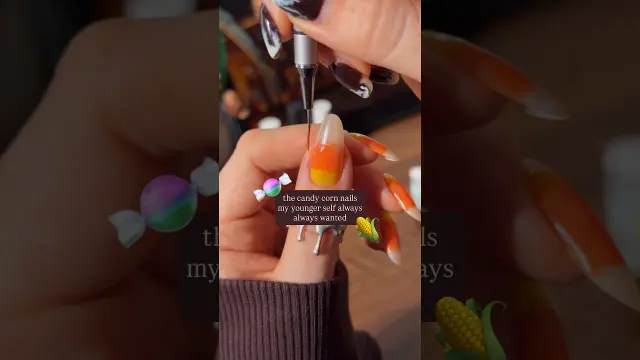
 Candy Corn Inspired Halloween Nail Art Tutorial
#Nail Art
48 ideas
Candy Corn Inspired Halloween Nail Art Tutorial
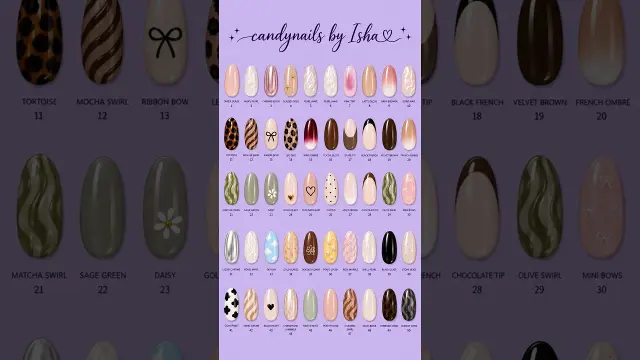 Simple Neutral Nail Ideas For Your Next Manicure
Get new #Nail Art ideas by email
Every Thursday: the week's best ideas, with the newest from #Nail Art.
Related tags
Nail Art: Styles, Techniques, and Care
Nail art is the decoration of fingernails or toenails with color, pattern, texture, or small embellishments. It can be as simple as a clean accent nail or as detailed as hand-painted scenes, fine lines, and layered effects. For many people, it is a form of self-expression as well as a finishing touch to a manicure.
What nail art includes
Nail art covers a wide range of looks. Some designs rely on polish alone, while others use stickers, stamps, foil, glitter, rhinestones, or textured finishes. You may also see nail art done on natural nails, gel nails, acrylic nails, or other enhancement systems. The base shape of the nail matters too, because almond, square, oval, and coffin-style shapes can all change how a design looks.
At its simplest, nail art can mean one contrasting color, a French tip, or a small dot or stripe. More intricate designs may use flowers, animal-inspired patterns, geometric lines, abstract swirls, or layered finishes such as matte and glossy contrast.
Read more
Common styles and techniques
There is no single way to do nail art, but a few techniques are especially common:
- Freehand painting, where designs are drawn directly with a fine brush or dotting tool
- Stamping, which transfers a pre-made pattern onto the nail
- Stickers and decals, which are useful for quick and neat decoration
- Sponging, often used for soft color gradients or ombré effects
- Foil and chrome-style finishes, which create reflective or metallic surfaces
- Embellishments such as pearls, gems, or raised floral details
Some looks are bold and detailed, while others are minimal and polished. If you are new to nail art, simpler designs are often easier to control and wear more comfortably.
What beginners should know
If you are just starting, begin with a smooth, clean nail surface. A base coat can help protect the nail and improve wear. Let each layer dry before adding the next, especially when working with thin lines or layered colors. Good lighting and a steady hand make a big difference.
It also helps to choose designs that work with your skill level. Try:
- Single dots, stripes, or tiny hearts
- An accent nail instead of decorating every nail
- Neutral shades with one small detail
- Stickers or stamping before moving on to freehand painting
If a design does not come out perfectly, that is normal. Nail art often takes practice, and even simple shapes become easier with repetition.
Care and practical tips
Well-prepared nails usually give the best results. Keep nails clean, lightly shaped, and free from old polish or oils before painting. If you use embellishments, make sure they are attached securely so they last longer and do not catch on clothing.
For everyday wear, choose designs that suit your routine. Longer nails and raised decorations can be beautiful, but they may not be ideal if you need your hands to stay very practical. Removing nail art gently is also important, especially if you wear enhancements or layered finishes.
Nail art is best when it feels personal and comfortable. Whether you prefer minimal detail or decorative designs, it gives you a creative way to turn a manicure into something distinctive.
Videos come from YouTube and posts from Instagram; titles and summaries are our own. All rights belong to their creators.